

Stacking glasses saves cupboard space, but it only works with glasses designed for it. Low, straight-sided styles with a flat base and an even rim nest safely; anything with a stem, a thin rim, or a rounded bowl belongs side by side. Stick to that distinction, and your glasses will stay clear and intact, even if the cupboard door sometimes slams shut.
The rest is routine. Don’t stack more than three to five glasses, never mix two collections, and only put away completely dry glasses. In this article, you’ll learn how to decide what works for each type of glass, how to organize a cupboard at home or in a bar, and why putting paper towels between glasses does more harm than good.
Which glasses can be stored stacked?
The shape usually tells you everything you need to know. Water glasses, tumblers, and many highball glasses are designed to nest without getting stuck. The stackable glasses collection features designs that have been carefully engineered for this, with slightly tapered sides that keep two glasses from wedging together.
Next, check the rim and the base. A thick, even rim can support the weight of a glass above it; a very thin one can’t. If there’s a little air between two glasses, you can lift the top one right out. If one glass sinks all the way into the other, a vacuum forms and you’ll have to twist them apart—the very movement that breaks rims.
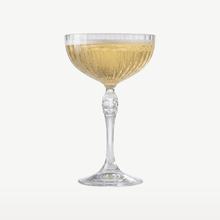
Don’t stack wine glasses, champagne glasses, or stemmed cocktail glasses. The same goes for thin, mouth-blown glass, crystal with a delicate rim, and glasses with a gold rim or colored coating. They take up a little more cupboard space, but stay beautiful for years.
Test the stack before filling the cupboard
Take two or three identical glasses, gently nest them, and then lift the top one back out. Does it feel stiff, make a scraping sound, or require force? Then this style isn’t meant to be stacked, or at least not high. Keep the stack to two and find another place for the rest.
Don’t mix glasses from different collections, even if they look the same size. A difference of a few millimeters in diameter puts all the pressure on one point of the rim. That’s where a tiny star-shaped crack forms, which you may not notice until the glass breaks while washing it weeks later.
How to build a stable stack
An organized cupboard starts with sorting, not stacking. Take everything out, group items by type and size, and see what you actually use every day. Usually, you’ll find that three styles do most of the work, while the rest are mainly for special occasions.
Place stackable glasses on a low or mid-height shelf. Above shoulder height, you can’t see whether a stack is straight, and you have to lift with your arms extended—that’s exactly how glasses slide off the shelf. Keep the front row a few centimeters from the edge.
Three to five glasses is a comfortable stack height for most households. Compact water glasses can sometimes be stacked higher, but only if they’re designed for it. Behind the bar, the height depends on the shelf and the pace of service, but even there, being able to grab glasses quickly should never come at the expense of a stable stack.
Use the same model for each stack. It looks neat, prevents someone from putting a mismatched glass in the stack while drying dishes, and lets you see at a glance how many clean glasses are left. Put them away only once the inside is dry too: residual moisture causes a musty smell, leaves limescale marks, and makes stacked glasses harder to separate.
Finally, give your favorites the best spot. The glasses for sparkling water and soft drinks can go at the front, with festive coupes and large cocktail glasses at the back or higher up. That way, your daily routine stays smooth and you protect the glassware you rarely need.
Prevent scratches without awkward layers in between
Many people place kitchen paper, a napkin, or a cloth between stacked glasses. It seems logical, but it works against you. Paper retains moisture, leaves fibers behind, and slips out of place as soon as you pick up a glass, making the stack wobble. It also makes the cupboard look cluttered and takes time every time you use a glass.
The best protection is a stable stack of identical, clean glasses. If your shelf is very smooth or the cupboard door closes firmly, put a mat underneath. In the non-slip mats collection, you’ll find mats that protect the base of the bottom glass and keep the whole row in place.
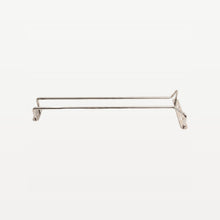
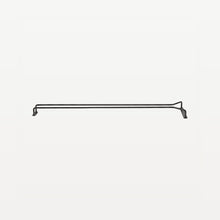
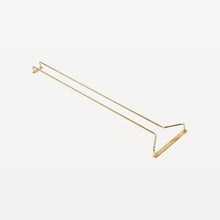
If you work with larger quantities, a rack is often a better choice than a taller stack. The glass racks keep glasses upright and separate, and they’re also useful for making the most of the available height in a deep cupboard without stacking everything on top of each other.
Be careful with warm glasses
Glassware straight out of the dishwasher is still warm. Don’t stack the glasses tightly right away, because the temperature difference and any remaining condensation can make them stick together. Letting them air-dry on the counter for a few minutes prevents a glass from getting stuck and still being stuck the next morning.
The right arrangement for home, bars, and hospitality venues
At home, a simple arrangement works best: keep the glasses you use every day at eye level, the water glasses and tumblers beside them, and special glassware in a safe place. If you regularly have a gin and tonic, group a small selection of sturdy highball glasses together rather than spreading them around the cupboard.
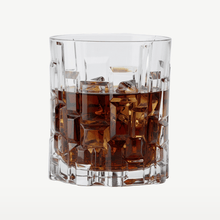
In a home bar or open kitchen, presentation can be part of the appeal. A neat group of low glasses for whisky beside a carafe in a designated spot looks polished and invites you to pour a drink. Keep the arrangement out of direct sunlight, especially if the glass is colored or decorated.
For restaurants and cafés, it’s all about capacity and speed. Stackable glasses are worth their weight in gold for water, soft drinks, and beer, provided they come apart quickly. A glass that looks beautiful but keeps getting stuck will cost you more than its appearance is worth during a rush. Create clear zones by glass type in the dishwashing area, so a water glass doesn’t end up among the beer glasses and fragile cocktail glasses are never stacked by mistake. Find out more in the article about reducing glass breakage in the hospitality industry.
When stacking isn’t a good idea
Not every full cabinet can be solved by stacking higher. Heavy glasses put a lot of pressure on the bottom glass in a tall stack, and even a short stack can be risky with very thin glass. If your shelves are bending or too shallow, rearranging is wiser than stacking.
Glasses with a narrow opening and a wide bowl aren’t suitable for stacking either. They catch on the inside, so you end up twisting or pulling until the rim gives way. Store them side by side. And if you’d like to expand your collection with models designed for stacking, browse the tumbler glasses for sets with straight, slightly tapered sides.
A well-organized glass cabinet doesn’t need to be styled. If every glass is stable, dry, and easy to pick up without wiggling, you’ve done it right.
Frequently asked questions
How many glasses can you safely stack?
Three to five glasses is a safe height for most models. Compact water glasses specifically designed to be stackable can sometimes be stacked higher. For heavy glass or a thin rim, limit the stack to two, since all the pressure bears on the bottom glass and the rims between them.
Can you stack wine glasses?
No. Stemmed glasses aren’t designed for that: the bowl rests on the rim of the glass below, and the stem bears a force it wasn’t made to withstand. Store wine glasses upright and side by side, with a small gap so they don’t clink against each other.
Does kitchen paper help between stacked glasses?
In practice, no. Paper retains moisture, leaves fibers behind, and shifts when you take a glass from the stack, making the rest wobble. A stack of identical, completely dry glasses offers better protection, and you can place a non-slip mat under the bottom glass if needed.








Leave a comment
This site is protected by hCaptcha and the hCaptcha Privacy Policy and Terms of Service apply.