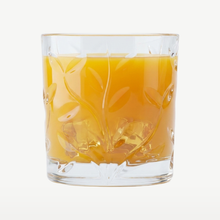
Royal Leerdam Intermezzo Shot Glass 3.5 Cl with Measuring Line Tuba - 12 Pieces
Genever
Genever is the oldest distilled spirit in the Netherlands, and gin would never have existed without genever. Here you'll learn exactly what it is and why "old" says nothing about its age. We'll also cover the difference between young genever, often simply called jonge klare in cafés, and old genever. And, of course, which glass to use.


The best-known genever brands
These four Dutch names are found in every liquor store and behind almost every bar.
Bokma
A square bottle that's round on the inside. In 1966, this brand put grain genever on the map.
About Bokma →Ketel 1
Young genever from Schiedam, distilled in a copper still. This bottle brought genever back to younger drinkers.
About Ketel 1 →Bols
The world's oldest distilling brand. Genever traveled all over the world through this house.
About Bols →
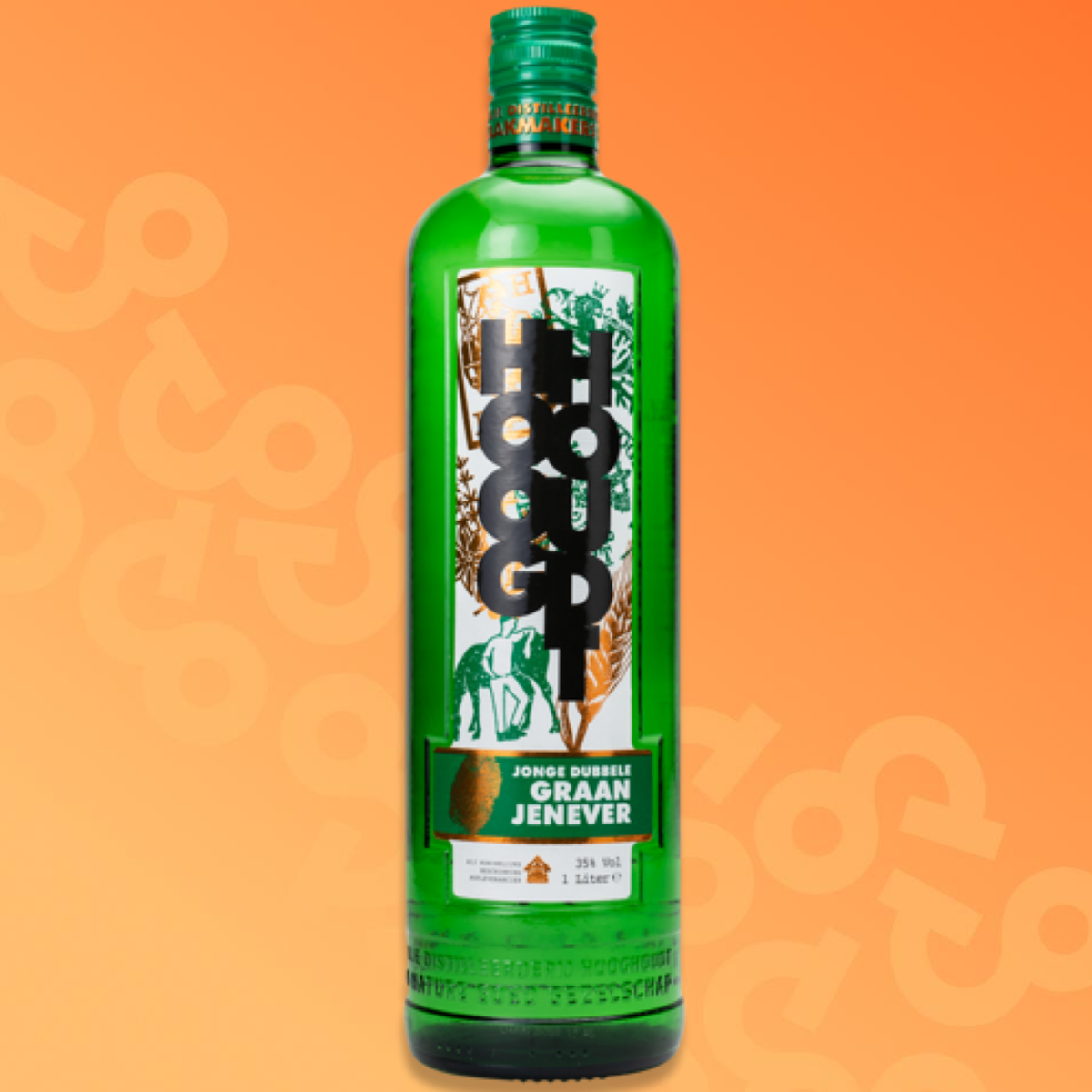
Hooghoudt
Family business from Groningen. You know them for genever, but also for the beerenburg on the shelf next to it.
About Hooghoudt →Every genever, listed by brand
5 brands and 12 varieties, each with its own page about flavor, cocktails, and the right glass.


Young and old don't refer to age
Genever comes from the Netherlands and Belgium. It is grain alcohol with juniper, and almost always contains malt wine. That's what sets it apart from gin. Malt wine is a distillate made from malted grain, a little like young whisky, and that's where its grainy, malty flavor comes from. Gin is piney and dry. Genever is fuller and smoother. The name is protected. Only the Netherlands, Belgium and two border regions in France and Germany may put it on the bottle.
The words young and old are where almost everyone gets confused. They refer to style, not aging. Old genever is the original style. It contains a lot of malt wine, so it's fuller and sweeter. Young genever, also known as jonge klare, only appeared in the twentieth century, when people wanted a lighter, more neutral taste. It contains very little malt wine. Only a bottle with a year on the label, such as a five- or ten-year-old genever, has actually been aged in a wooden cask.
In brief
Four styles, and what sets them apart
The more malt wine, the fuller and grainier it is. Understand that, and you understand the whole world of genever.
Young genever
Little malt wine, so light and fairly neutral, with juniper in the background. This bottle belongs in the freezer and makes up half of a kopstoot.

Oude jenever
More malt wine, making it fuller, sweeter, and grainier. This is the original style. “Old” refers to the style here and says nothing at all about age, which often causes confusion.

Very old genever
Even more malt wine than a regular oude jenever. That shifts the spirit toward whisky. Full and rounded, with a slightly sweet note.

Aged jenever
This one really has spent years aging in oak, as the year on the bottle shows. Juniper takes a back seat. Vanilla, nuts, and oak take over.
Korenwijn contains at least 51% malt wine and no more than 20 grams of sugar per liter. Jenever doesn't get any fuller-bodied than this.
Grainy and malty, with juniper in the background
Grain & juniper
Grain with a hint of malt, juniper underneath, and fresh spice. Oude jenever smells noticeably sweeter.
Smooth and grainy
Jonge jenever is dry and grainy; oude jenever is full-bodied and slightly sweet. Both are smoother than gin, because the malt wine softens the sharp edges.
Short and clean
Short and dry, with grain notes. An aged jenever lingers longer and feels warmer, with vanilla and oak.
This is the profile of jonge jenever. Oude jenever and korenwijn score higher in sweetness, while aged jenever is also higher in strength.
How to drink jenever
Jonge jenever is best served ice-cold. Oude or aged jenever isn't. It makes more difference than what you pay for the bottle.
Ice-cold, to the brim
Put the bottle in the freezer and fill the tulip glass to the brim. Take the first sip while bent forward, with your hands behind your back. That way, you won't spill a drop, and that's just how it's done in a bar.
Glass: jenever glass →Like a kopstoot
A tulip glass filled with jonge jenever, with a glass of pilsner alongside. First, sip the jenever from the rim, then drink the beer. It doesn't get more Dutch than this.
Kopstoot →Oude and aged, served neat
Pour 4 cl at room temperature into a tumbler or tasting glass. Oude jenever and korenwijn don't need chilling. Cold temperatures keep the malty notes in, and those are exactly what you want to taste.
Glass: tumbler →Jenever cocktails
A few classics now made with gin were once made with jenever. You can easily turn that around.

Kopstoot
A full glass of jenever next to a glass of lager. Not a cocktail, but a classic.
Amsterdam Sour
Jenever with lemon, sugar, and egg white. The Dutch take on the sour.
John Collins
Lemon, sugar, and sparkling water. The original version was made with jenever.
Dutch Martini
Dry vermouth with jenever instead of gin. Fuller and maltier than the original.The right glass for jenever
For an ice-cold jonge jenever, choose a stemmed tulip glass that can be filled to the brim. Drink oude or aged jenever from a tumbler or shot glass. These are the glasses we’d choose ourselves.


Questions about jenever
Can’t find your question here? Check out our cocktail recipes or get in touch.
Go to the cocktail recipes →What percentage of alcohol is in jenever?
What’s the difference between jonge jenever and oude jenever?
What’s the difference between jenever and gin?
What is korenwijn?
How do you drink jenever?
Can jenever only come from the Netherlands?
Buy jenever
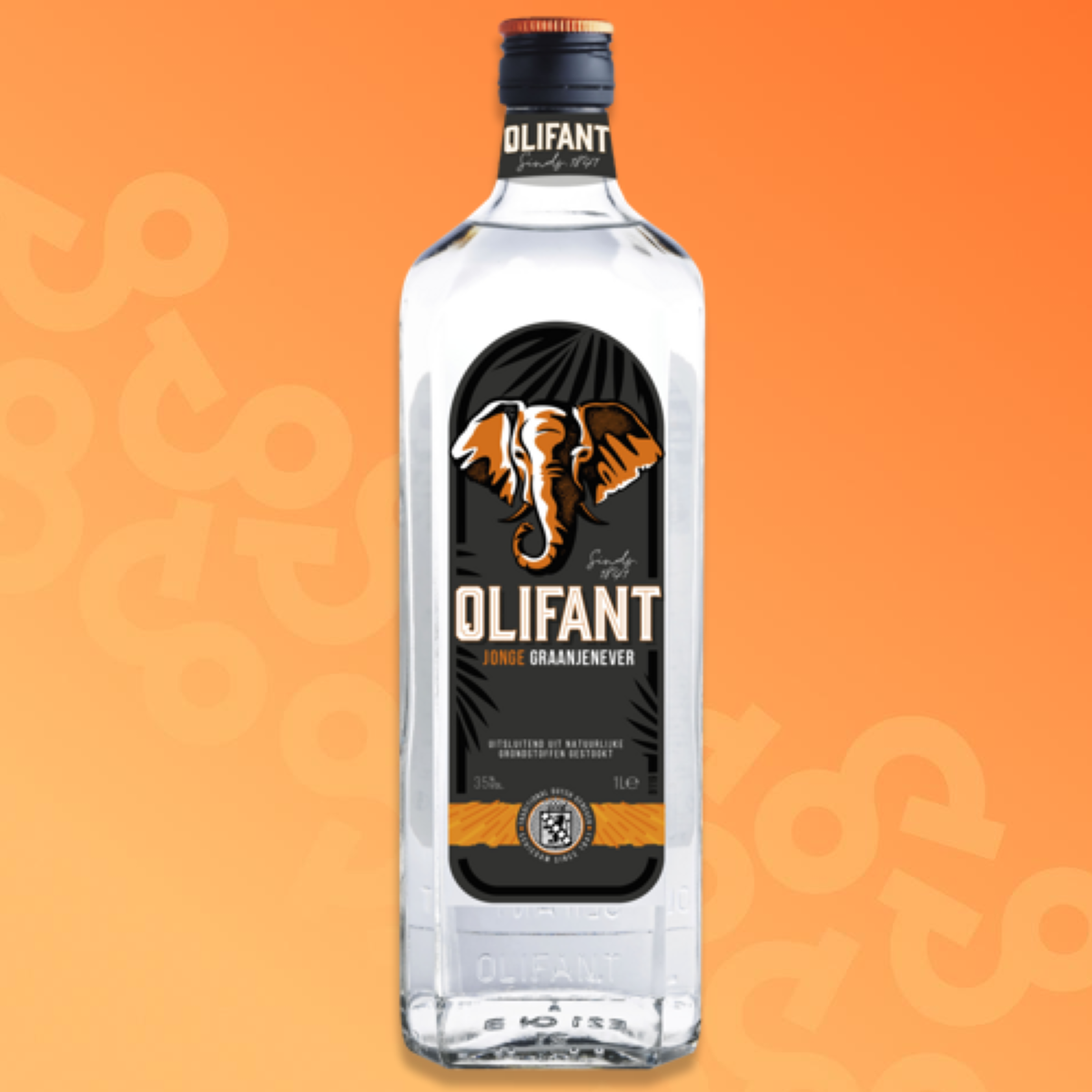
Want the bottle delivered straight to your door? Order jenever online from Gall & Gall. Gall & Gall has 88 options, 12 of which are on sale.
Prices as of November 19, 2026, as reported by Gall & Gall. You can see the current price and stock at Gall & Gall. Glazen.nl receives a small commission if you buy something through these links; you pay nothing extra. No 18, no alcohol.