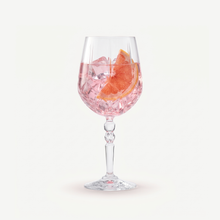
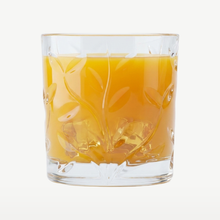
Arcoroc Broadway Champagne Glass / Coupe 25 Cl - 6 Pieces

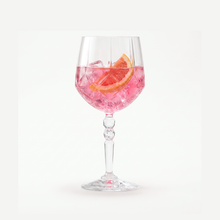
Nude Glass Savage Champagne Glass / Coupe 22 Cl - 6 Pieces

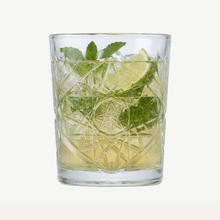
Pasabahce Timeless Champagne Glass / Coupe 27 Cl Gold Rim - 4 Pieces

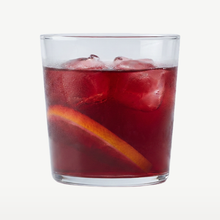
Onis 1924 Champagne Glass / Coupe 24,5 Cl - 6 Pieces

The French 75 recipe
for your table
Briefly shake the gin, lemon juice and syrup with ice.
Double-strain into a chilled flute.
Slowly pour in the champagne.
Finish with a long, thin lemon zest.
What did you think of this recipe?
One click on a star is all it takes. If you’d like to add a comment, we’ll review it before it appears here.
Save this recipe
Send the French 75 recipe to your own email so you have it handy when you’re ready to make it. You’ll also get a €5 discount code on purchases over €50 for the glasses that go with it.
The story
Around the time of the First World War, it was served at Harry's New York Bar in Paris. Its name comes from the most famous French weapon of the time, the 75 mm field gun, the “Soixante-Quinze.” Soldiers and journalists thought gin with champagne hit about as hard. Harry MacElhone made it famous, and later the Stork Club in New York did too. In the film Casablanca, it is ordered emphatically. Today, it's something of the gin and tonic's sophisticated sister. It's still festive.
The right glass
We serve the French 75 in a flute. Tall and narrow on a stem, it keeps the champagne bubbles for as long as possible. A 19 to 24 cl flute gives you a good balance between the cocktail and the bubbles. Choose crystal glass with a thin rim, and it immediately feels like a celebration. After all, it's a drink for special occasions. Prefer a coupe with a touch of the twenties? Browse our champagne coupe glasses.

RCR Brillante Champagne Flute 19 cl (6 pieces)

Bormioli Rocco Tre Sensi Champagne Glass / Flute 21 cl (6 pieces)
Both sets together € 75,90.
The right tools
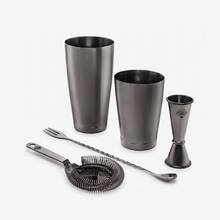
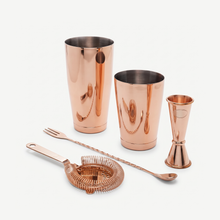
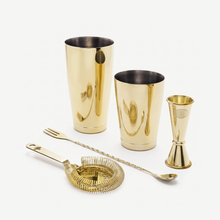
For a French 75, in addition to the glass, you'll need a shaker, a jigger for precise measuring, a fine strainer for double-straining, a citrus press, and a zester for the twist. These are the bar tools we use ourselves; you'll find them all in our bar tools & cocktail sets.


Glass set (our choice 01) + 5 bar tools together € 113,70.


Variations & twists
Use cognac instead of gin and you have a French 125. It’s rounder and warmer. Add an Angostura-soaked sugar cube to the bottom of the glass and you’ll have something between this cocktail and the Champagne Cocktail. Making it for a crowd? Shake the gin and lemon base in a carafe beforehand, and top up each glass with bubbles when serving. Want more? Check out more than 100 cocktail recipes.
Serving tip
Everything cold: the gin, the glass and the champagne. For a smoother drink, use cognac instead of gin. That’s how you make a 'French 125'.
Good to know
How much gin and how many bubbles?
The base is 3 cl gin, 1.5 cl lemon juice and 1 cl sugar syrup. Then fill the glass with 6 to 9 cl champagne. Roughly speaking, that’s 1 part gin to 2 to 3 parts bubbles. With 6 cl, it’s strong, with the gin taking the lead, at around 16 percent. With 9 cl, it stays light and airy, at around 12 percent. Always add the bubbles last, slowly down the inside of the glass. If you don’t, it’ll foam right over the rim of a narrow flute.
Champagne, prosecco, or cava?
Champagne is the classic choice and has the most depth thanks to aging on yeast. A dry prosecco works well too and costs half as much. It’s fruitier and a little less complex, but you’ll hardly notice with the lemon and sugar. Cava falls somewhere in between, with its slightly nutty note. The main thing to look for is a brut bottle, not demi-sec. There’s already 1 cl of sugar syrup in the drink. Chill the bubbles to about 6 degrees, because a lukewarm bottle will foam over and lose its fizz within a minute.
French 75, French 125, or French Martini
They sound almost the same, but they’re very different drinks. A French 75 is gin, lemon, sugar, and champagne in a flute. Replace the gin with cognac, and you have a French 125. It’s rounder, warmer, and much less sharp. The French Martini has no bubbles at all and is made with vodka, Chambord, and pineapple juice. Shake it hard until a layer of foam forms, then serve it in a martini glass. If you’re looking for a festive-looking aperitif with a crisp taste, go for the 75. If you want something sweet and fruity, choose the Martini.
Making French 75s for a group
For a party or New Year’s Eve, you don’t want to be shaking each glass individually. Mix the gin, lemon juice, and sugar syrup in a pitcher in a ratio of 3:1.5:1. For ten people, that’s 30 cl gin, 15 cl lemon juice, and 10 cl syrup. Chill the pitcher for at least two hours, so you won’t need to shake when serving. Pour 5.5 cl of the base into each flute and top up with 6 to 9 cl of champagne. Allow about one bottle of bubbles for every four to five glasses. Juice the lemons the same day.
Which gin works in a French 75?
The French 75 cocktail contains just 3 cl of gin, alongside lemon, sugar, and bubbles. A mild gin can quickly get lost in the mix. A classic London Dry with a pronounced juniper flavor holds its own without clashing with the champagne. Floral or very spicy gins can work too, but pair them with a neutral prosecco rather than an aged champagne. You can also make the sugar syrup yourself using equal parts sugar and water. That way, you control how sweet the base is, and in a small glass like this, you’ll taste the difference right away.
A French cocktail with bubbles
As a French champagne cocktail, the French 75 is the best-known. A bar in Paris, a French cannon for a name, and a French product in the glass. The French cocktail category also includes the French 125 with cognac and the French Martini with vodka, Chambord, and pineapple juice. Those three otherwise have only the name in common. If you're serving more French classics in one evening, start with the 75 as an aperitif and save the heavier cognac version for later. Otherwise, its fresh lemon twist will get lost behind the fuller flavor.
Frequently asked questions
What’s in a French 75?
Gin, fresh lemon juice, sugar syrup, and champagne. Briefly shake 3 cl gin, 1.5 cl lemon juice, and 1 cl sugar syrup with ice. Double strain into a chilled flute and top with 6 to 9 cl chilled champagne. A long, thin lemon twist finishes it off.
Why is the cocktail called a French 75?
It’s named after the French 75 mm field gun from World War I, the Soixante-Quinze. At Harry's New York Bar in Paris, soldiers and journalists thought gin with champagne hit just as hard. Later, the Stork Club in New York made it world-famous.
Can you make a French 75 with prosecco?
Yes, as long as the bubbles are dry. Brut prosecco or cava works well and is often more practical for mixing than expensive champagne. Avoid extra dry and demi-sec. The recipe already includes sugar syrup, which can make it too sweet.
What glass do you use for a French 75?
A champagne flute holding 19 to 24 cl. Bubbles last longest in a tall, narrow glass, and holding it by the stem keeps your hand from warming the champagne. Choose crystal with a thin rim. Browse our champagne flutes.
Everything for your bar,
to one address
Hospitality-quality glasses, delivered as a set. Order today, and they’ll arrive soon.
Shop glasses →