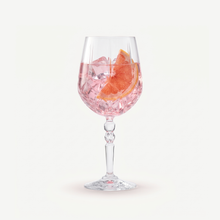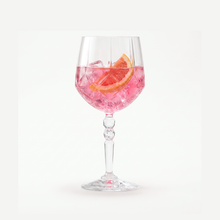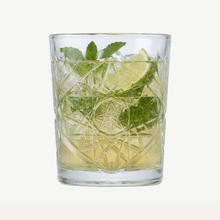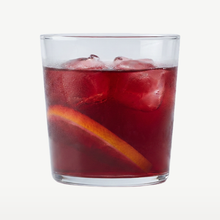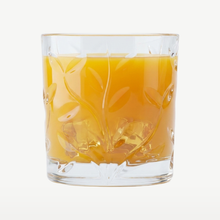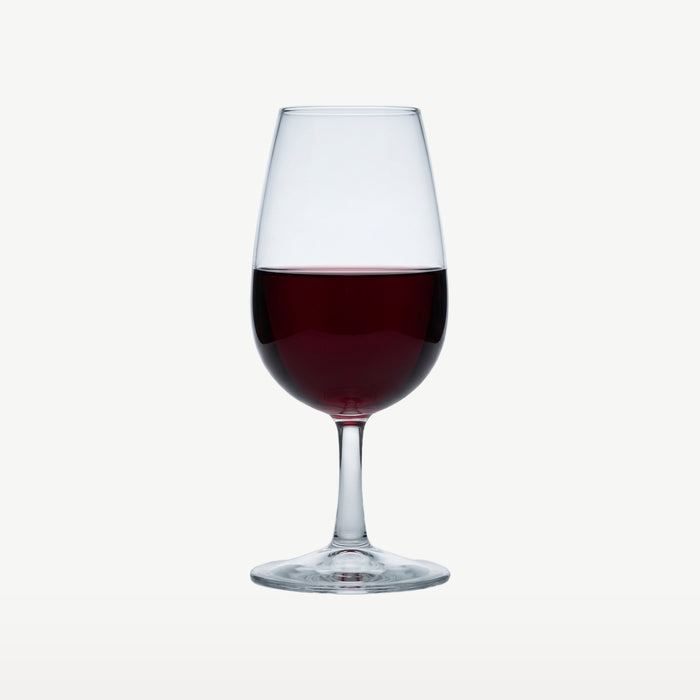
Pasabahce Tasting Glass/Port Glass 20 Cl - 12 Pieces
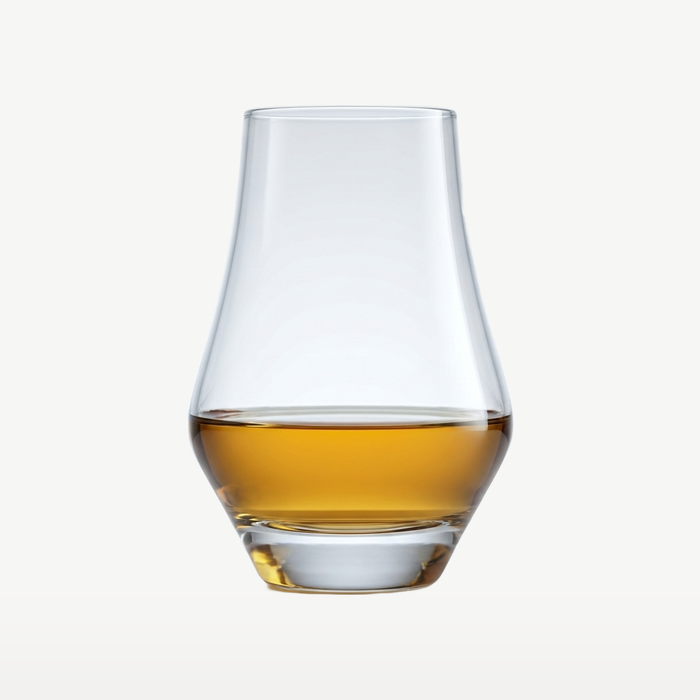
Royal Leerdam Snifter Tumbler / Tasting Glass 18 Cl - 6 Pieces
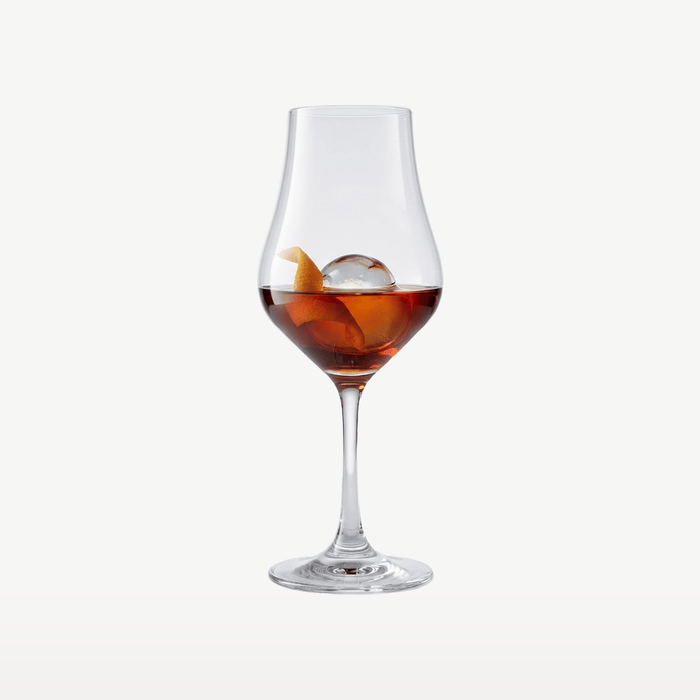
Lehmann Eaux de Vie Tasting Glass 15 Cl - 6 Pieces
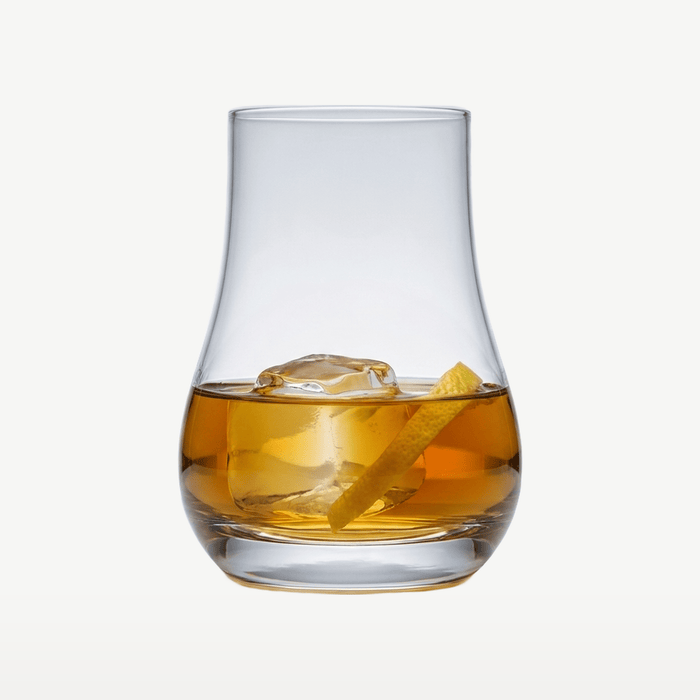
Lehmann Islay Tasting Glass 12 Cl - 6 Pieces

How to pour it
an armagnac in
Let the glass and bottle come to room temperature, between 15 and 18 degrees. If it’s cold from the fridge, half of what you want to smell will disappear.
Pour 4 cl into the tulip-shaped glass. Fill it a little less than halfway, so the aromas can gather beneath the narrow rim.
Swirl once, smell from a distance first, then move closer with your mouth slightly open. Armagnac is more robust than cognac, so give your nose a moment.
Take small sips and keep a glass of water nearby. To soften the alcohol a little, add two drops of cold water; this brings out the fruit and oak notes.
What did you think of this guide?
One click on a star is all it takes. If you’d like to add a comment, we’ll review it before it appears here.
Save this page
Send this page to your own email, so you have the instructions handy when you’re ready to pour. You’ll also get a €5 discount code on a €50 purchase of the glasses that go with it.
The story
Gascogne is farther south and smaller than the Cognac region, and its houses are more often small and family-owned. The white grapes are first pressed into wine, and that wine is then distilled. Not twice in a pot still, as in Cognac, but usually once in a continuous column still. This produces a less sharp distillate and leaves more of the grape’s character in the drink, which is why armagnac feels fuller and more rustic. It is then aged in oak barrels and bottled only when the house considers it ready.
The right glass
For armagnac, you want a tulip-shaped glass: the bowl gives the bouquet room to open up, while the inward-curving rim directs it toward your nose. A wide cognac snifter does the opposite. It lets the vapors spread over a large surface, putting the alcohol first and hiding the fruit underneath. And with your hand around the bowl, you warm the drink above 18 degrees. We don’t sell a glass labeled armagnac; these two tulip-shaped models do the same job. Both have a short stem rather than a long one, so hold them at the base. Find more shapes in our tasting glasses.

Schott Zwiesel Bar Special Whisky Nosing Glass, 32.2 cl (4 pieces)

Lehmann Islay tasting glass, 12 cl (6 pieces)
Both sets together € 68,90.
The right tools
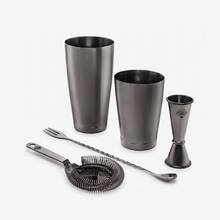
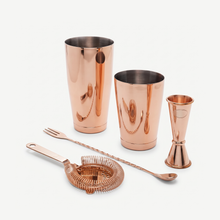
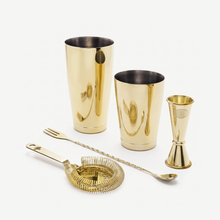
For armagnac, alongside your glass, use a jigger to measure out exactly 4 cl and a bar spoon to stir if the blanche goes into a cocktail. These are the bar tools we use ourselves; find everything in our bar tools & cocktail sets.


Glassware set (our pick 01) + 2 bar tools together € 61,85.
What does this go with?
Armagnac is a barrel-aged spirit. Put it alongside cognac to taste the difference in distillation, and alongside whisky to discover what oak does to a spirit. On each drinks page, you’ll find the alcohol percentage, tasting notes, cocktail suggestions, and the right glass to use.


Variations & twists
Blanche isn’t aged at all and is bottled colorless; it’s fresh and grapey, and works well in a cocktail, with lemon or with tonic. A millésime from a single harvest year is best enjoyed neat, since you’re paying for the year and the cask. Between the two are VS, VSOP and XO, which let you choose how much oak you want in each bottle. Want to read more? Browse all spirits and brands.
Serving tip
Serve at 15 to 18 degrees, 4 cl in a tulip-shaped glass, with a glass of water on the side. If you like, pair it with a piece of dark chocolate or a handful of walnuts; the sweetness and fat temper the alcohol without overwhelming the fruit.
Good to know
Distilled once instead of twice
This is the real difference from Cognac. Armagnac is usually distilled once in a continuous column still, while Cognac is distilled twice in a pot still. Less intensive distillation means more of the grape stays in the spirit, giving Armagnac a more robust, rustic character.
Bas-Armagnac, Ténarèze and Haut-Armagnac
The region is divided into three parts. Bas-Armagnac is the western part, Ténarèze lies in the middle, and Haut-Armagnac is the eastern part. The label tells you which part it comes from, and that’s the first clue to its style, alongside the designation.
The grapes: Ugni blanc, Baco, Folle blanche and Colombard
Four white grapes do most of the work. Ugni blanc is the most widely used, Baco is typical of Armagnac, Folle blanche gives floral notes, and Colombard brings freshness. Many bottles are a blend, though sometimes a single grape is listed on the label.
Millésime: a single harvest year on the bottle
With Armagnac, it’s quite common for the bottle to display a single year, the harvest year, known as a millésime. This is unusual for Cognac, which is mostly blended. A millésime comes from a single harvest and isn’t blended with other years.
VS, VSOP and XO
The designations go from young to old: VS, then VSOP, then XO. They tell you something about the youngest eau-de-vie in the bottle, and therefore how much oak to expect. The exact age requirements are listed on the bottle’s label.
Blanche: unaged Armagnac
Blanche d'Armagnac isn't aged in wood and remains colorless. You can smell the grape and white fruit, without the vanilla or coconut from the cask. A completely different drink from an XO, from the same still.
Frequently asked questions
What is the difference between armagnac and cognac?
Region and still. Armagnac comes from Gascony and is usually distilled once in a continuous column still; cognac comes from Charente and is distilled twice in a pot still. That single distillation retains more of the grape's character, giving armagnac a bolder, more rustic profile. The armagnac region is also smaller, with more small family businesses.
What percentage alcohol is armagnac?
Most bottles are around 40 percent alcohol. Older bottles and cask-strength releases can be higher, so check the label for the exact figure.
What does millésime mean on a bottle of armagnac?
Millésime is the vintage: the entire bottle comes from that single harvest and isn't blended with other years. This is common for armagnac, but not for cognac.
Which glass should you use for armagnac?
A tulip-shaped glass holding 10 to 20 cl. The wide cognac snifter is actually not the best choice: it lets the aromas dissipate, brings the alcohol to the fore, and warms the drink as your hand wraps around the bowl.
Also delicious
Buy armagnac
Want the bottle delivered straight to your door? Order armagnac online from Gall & Gall. Gall & Gall has 12.
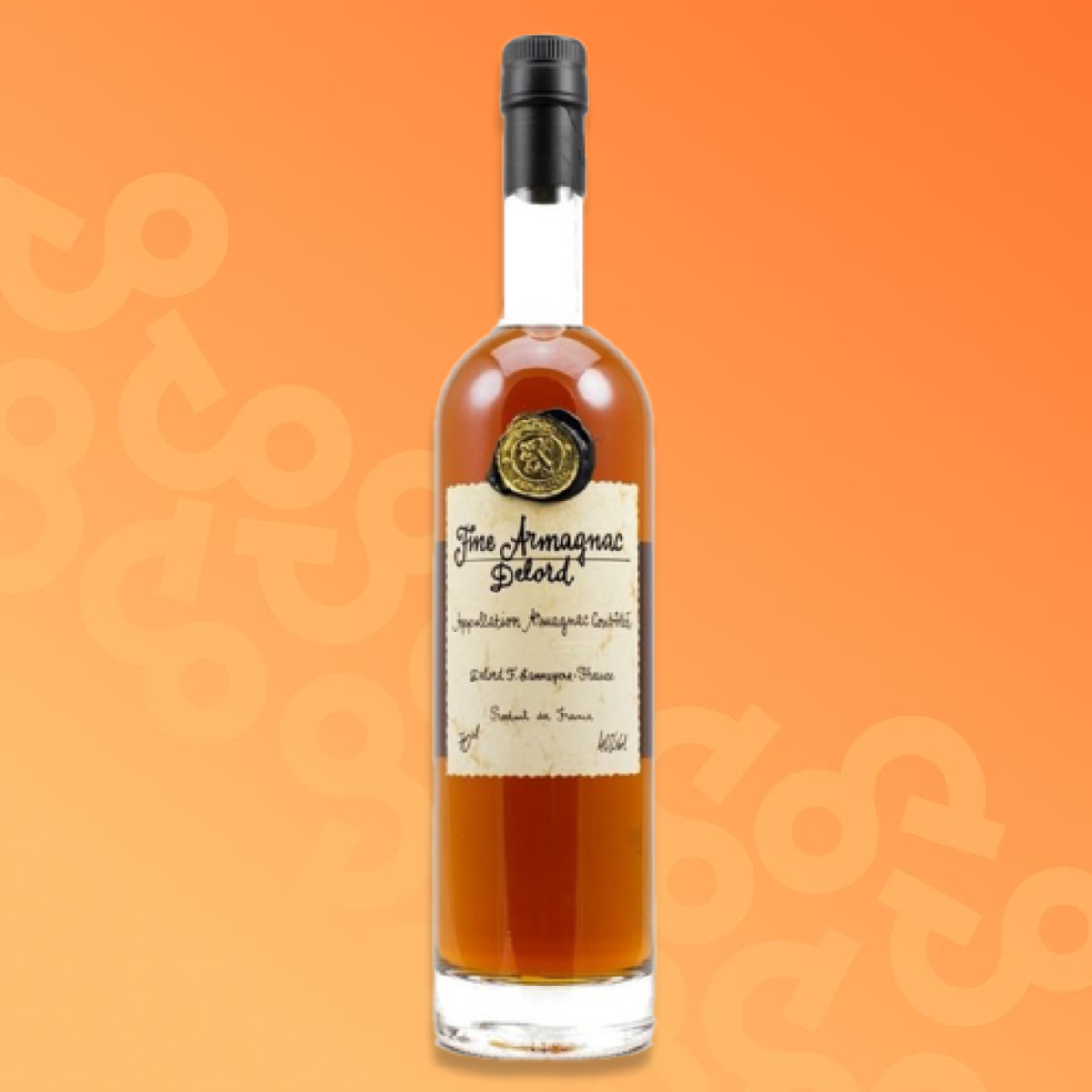
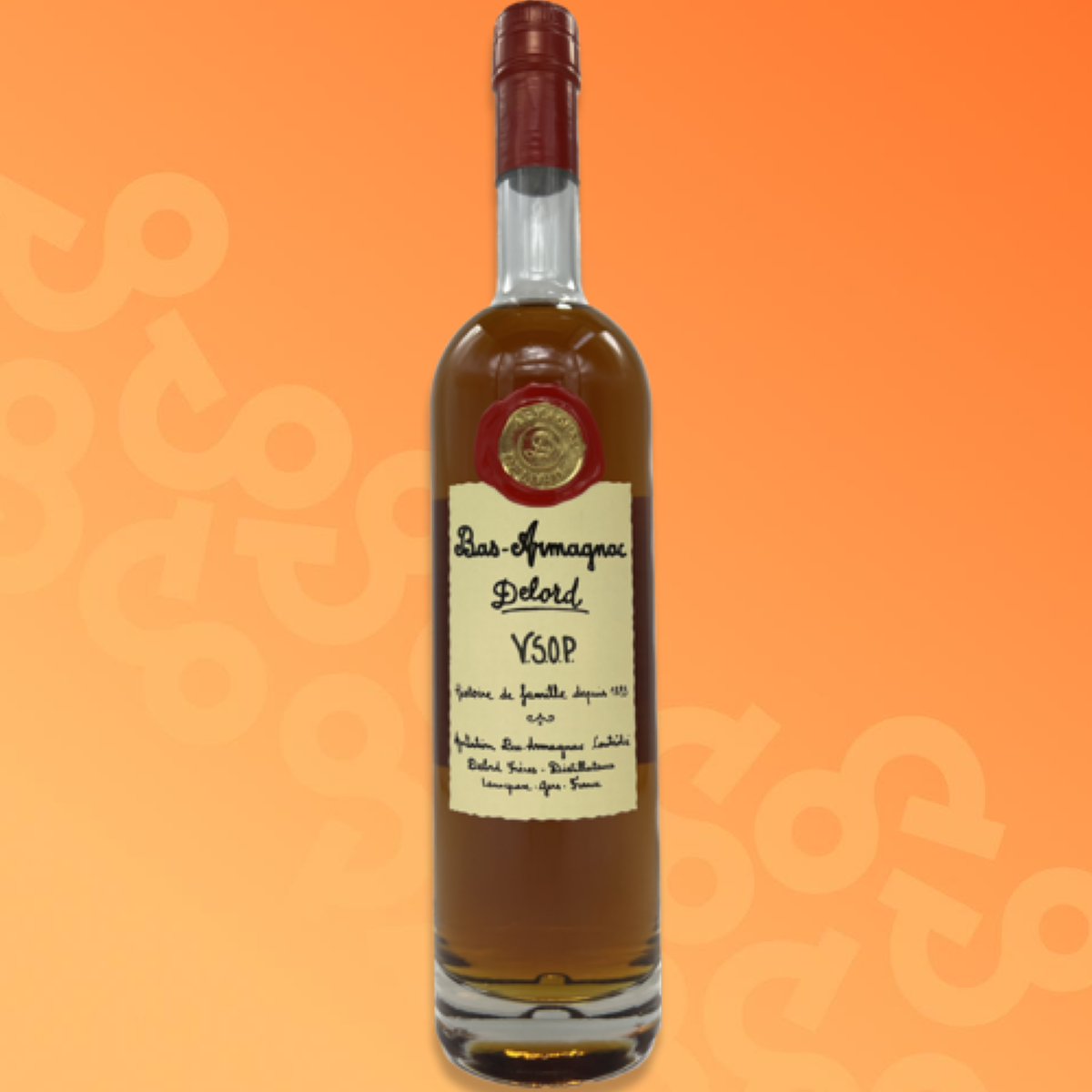
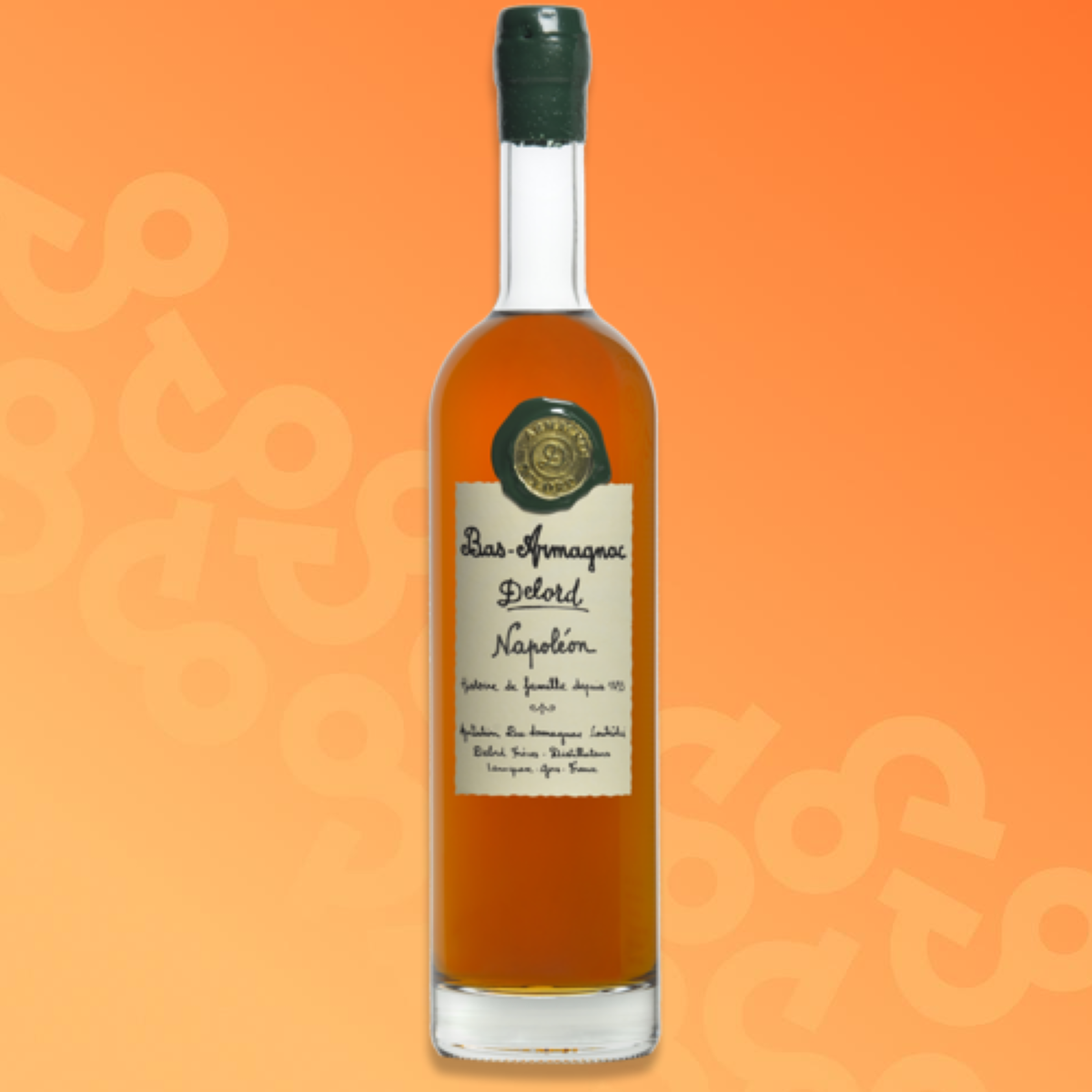
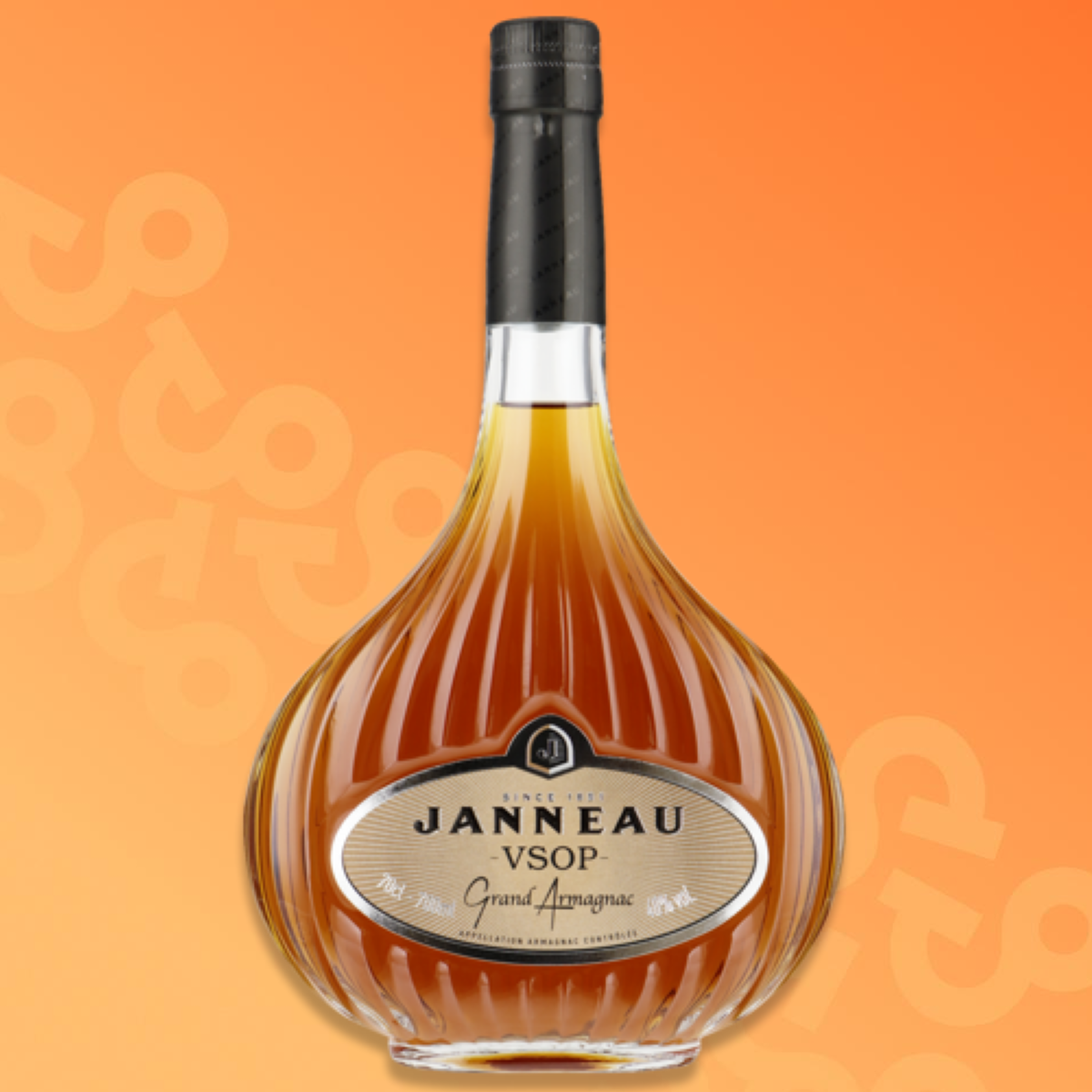
Prices as of November 20, 2026, as provided by Gall & Gall. See Gall & Gall for current prices and stock. Glazen.nl receives a small commission if you buy something through these links; it costs you nothing extra. You must be 18 or older to buy alcohol.
Everything for your bar,
at one address
Hospitality-grade glasses, sold as a set. Order today, delivered quickly.
Shop for glasses →