

Brunello di Montalcino
Brunello di Montalcino is a red wine from Tuscany, made entirely from Sangiovese. In Montalcino, the grape is called Brunello. The wine is aged for at least five years, which is a big part of how it got its name.


Wine by type
Brunello is just one corner of the red wine aisle. Find out more about its neighbors here.
Red wine
From Merlot to Malbec, what oak aging does to a wine, and how warm to serve it.
About red wine →Valpolicella
Another Italian ladder, from light Classico through Ripasso to Amarone made from dried grapes.
About Valpolicella →
Merlot
The blue grape used in a Chianti Classico, and one that takes center stage elsewhere.
About Merlot →
Rioja
Spain's best-known red wine region. There, too, reserva tells you how long the wine has been aged.
About Rioja →One grape, a small area, and five years of waiting
Brunello di Montalcino comes from the area around Montalcino, a small town in Tuscany about a hundred kilometers south of Florence. You may also see it as Brunello Montalcino or Brunello de Montalcino, but the label always says di. The grape is Sangiovese, called Brunello there, and nothing else may be added. The area is fifteen times smaller than Chianti. It is drier and warmer than its neighbor, so the Sangiovese Grosso ripens well. The wines have DOCG, the highest Italian classification. In the nineteenth century, winemaker Clemente Santi wanted to make a robust red wine here using only that one local grape, one that could age well. His grandson Ferruccio Biondi-Santi released the first modern Brunello in 1888.
The name is mainly due to the aging rules. A Brunello di Montalcino ages for five years, including at least two years in oak barrels and at least four months in the bottle. A riserva takes six years, also with at least two years in oak and six months in the bottle. Waiting five years for each vintage across two thousand hectares says a lot. Nothing else may be added, either. Chianti may contain Canaiolo, Trebbiano and Malvasia, or Cabernet Sauvignon. Brunello contains only Sangiovese. If you want wine from the same region without the wait, look for Rosso di Montalcino. It’s the little brother, with more flexible aging rules and often made from younger vines.
In brief
Six bottles, from Rosso to Riserva
We’ve put them in order: first the little brother, then three Brunellos, then the riserva, and finally a Chianti Classico for comparison.

Piccini Rosso di Montalcino
Brunello’s little brother. Same grape, more flexible aging rules. This bottle spent six months in oak barrels and tastes of red cherries and chocolate, with lively acidity.
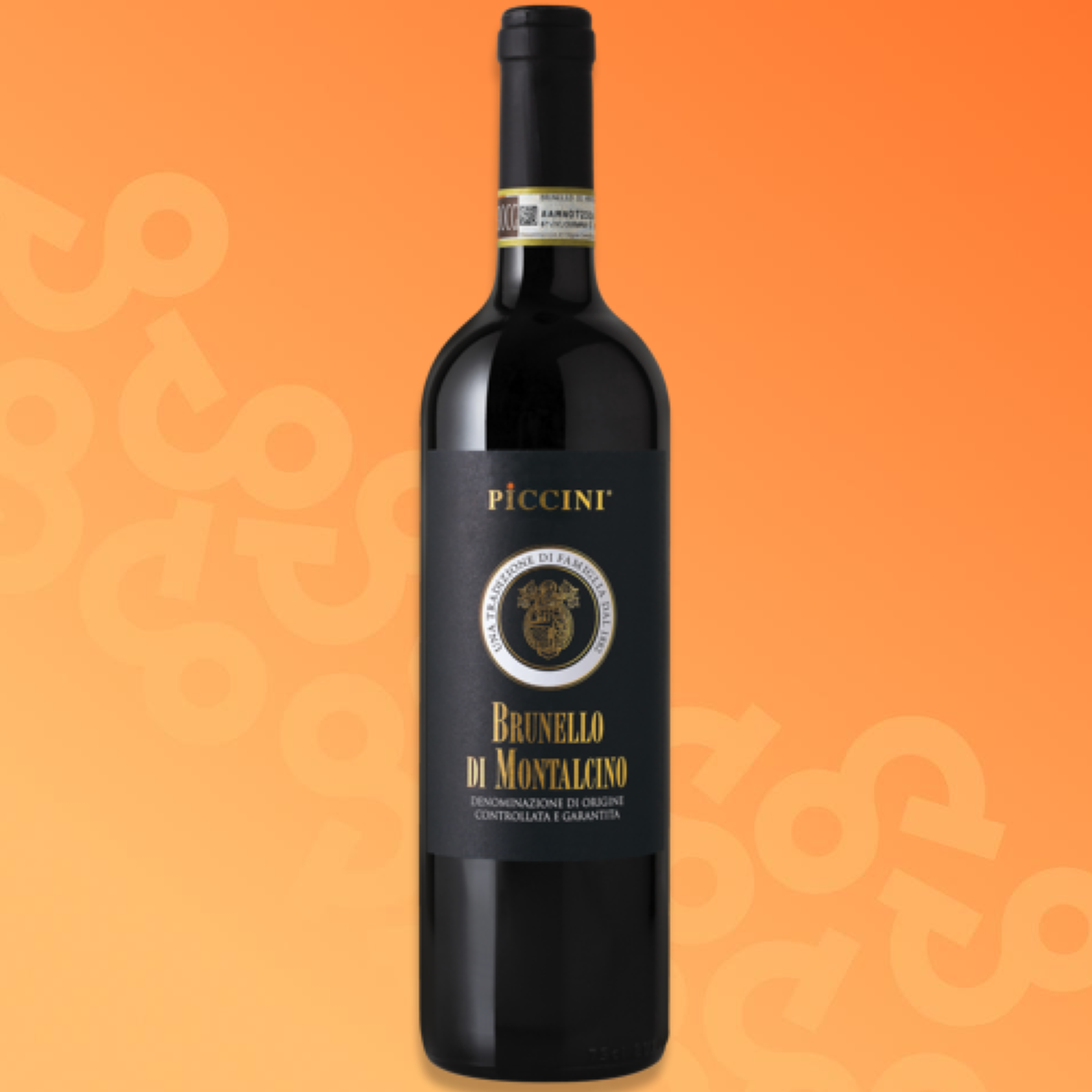
Piccini Brunello di Montalcino
From Montalcino itself, where Sangiovese is called Brunello. Rich and powerful, with black cherries and bite.

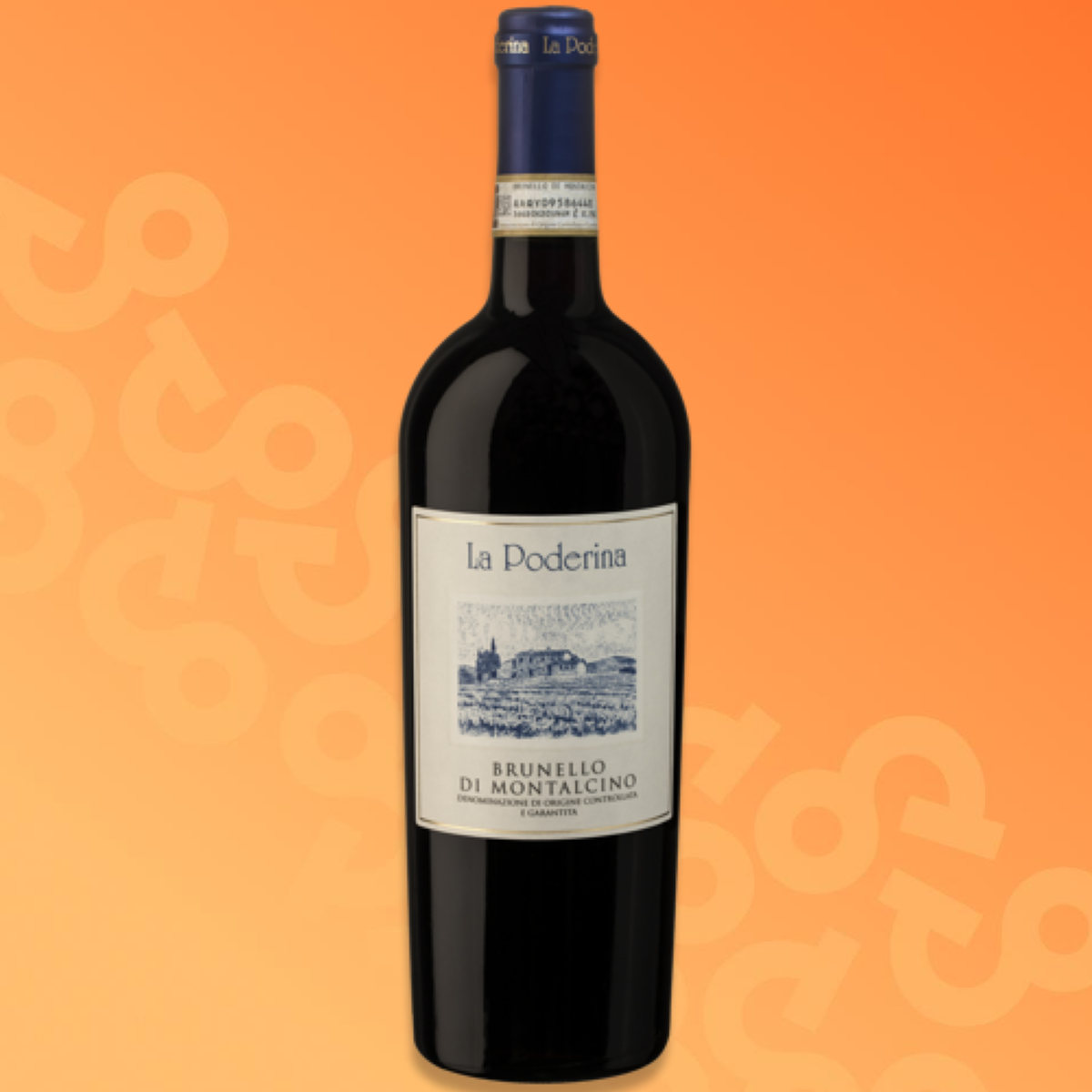
La Poderina Brunello di Montalcino
Sangiovese at its best, or Brunello, as they call the grape in Montalcino. Powerful and full-bodied, with many layers, cherries, chocolate, and high acidity.

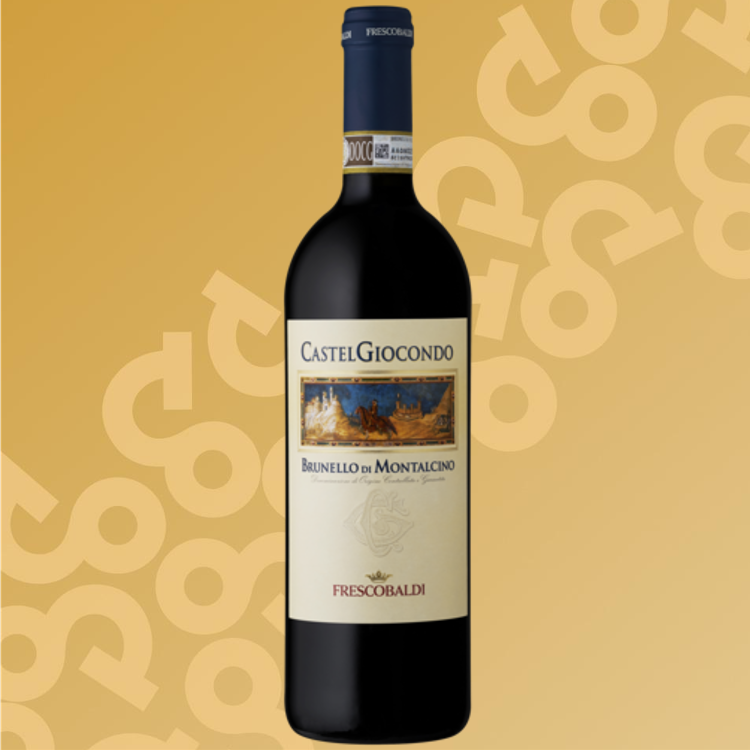
Frescobaldi Brunello di Montalcino
Made in Castelgiocondo and a real powerhouse. Firm and robust, yet layered and beautifully balanced. You can taste cherry, pepper and coffee.

Piccini Brunello Riserva
A riserva ages for six years, including at least two years in oak barrels and six months in the bottle. This one spent 36 months in oak and then another six months in the bottle. Dried fruit, dark chocolate and a double espresso.

Piccini Chianti Classico
Chianti is made from the same grape, but other varieties are allowed. This one is Sangiovese with fifteen percent Merlot. After nine months in oak, it’s smooth and rounded. The riserva next to it spent three years in oak.
The region is fifteen times smaller than Chianti, only one grape variety is allowed, and each vintage ages for at least five years.
Cherry and violets, with underlying leather
Red fruit and violets
You smell red fruit and flowers, especially violets. A riserva also brings dried fruit, dark chocolate and espresso.
Full-bodied and firm
Cherry and blackcurrant on the palate. Firm, with fresh acidity that can sometimes be quite high. This acidity makes Sangiovese a wine for food, especially dishes with tomato.
Leather, hazelnut and anise
Leather, hazelnut and anise linger after each sip. With a riserva, the finish lasts a long time. The longer the wine has aged in wood and in the bottle, the more of these notes you’ll find.
This is what an average Brunello tastes like. Rosso di Montalcino is less powerful, while a riserva is a little more so.
How to serve Brunello
It comes down to two things. Don’t serve it too warm, and let a young bottle breathe.
Cooler than room temperature
For powerful, full-bodied red wine, aim for 18 degrees. So chill the bottle for fifteen minutes before serving. At room temperature, you mostly taste the alcohol. A little cooler, the aromas, acidity and sweetness come together better.
The right glass →Decant young bottles
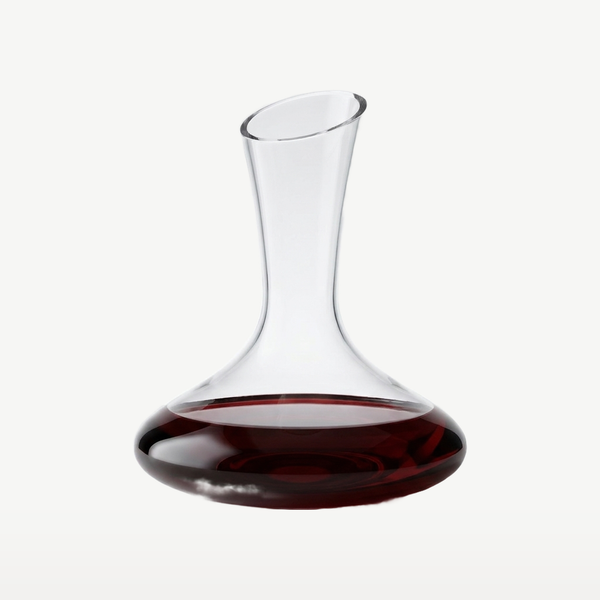
Decanting is simply pouring the wine into another vessel to expose it to more oxygen. Young, tightly wound red wine needs this to open up. Do it half an hour to three hours beforehand. If an older bottle has sediment, stand it upright a day in advance.
Decanters →With pasta, red meat and game
The bottles speak for themselves. Piccini pairs well with pasta in tomato sauce or grilled tenderloin. La Poderina goes well with beef and steak, and Frescobaldi and the riserva with game. With its fresh acidity and firm structure, Sangiovese is a wine for the table, whatever the occasion.
The six bottles →Cocktails around Brunello
There are no cocktails made with Brunello or Rosso di Montalcino. You simply drink these wines from a glass. These four come closest: two with still red wine and two Italian classics with bubbles.

Sangria
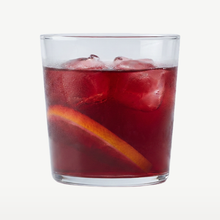
Red wine with pieces of fruit and lots of ice, served by the pitcher.
Tinto de Verano
Red wine with sparkling lemon soda, served over lots of ice.
Aperol Spritz
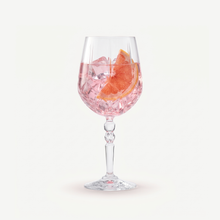
Aperol, prosecco and sparkling water in a large glass with ice and a slice of orange.
Bellini
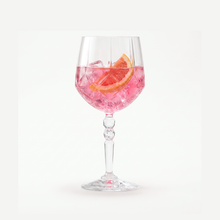
Peach purée at the bottom of the glass, gently topped up with prosecco.The right glass for Brunello
Red wine benefits from a little extra oxygen. That's why the glass is larger and wider than one for white or rosé, with a bowl that lets you swirl the wine properly. Pour to just below the widest point, so none sloshes over the rim. These are the glasses we recommend.


Everything else you wanted to know about Brunello
Can't find your question here? Browse our cocktail recipes or get in touch.
To the cocktail recipes →What is Brunello di Montalcino?
Why is Brunello an expensive wine?
Which grape is Brunello made from?
How long does Brunello di Montalcino age?
What is the difference between Brunello and Rosso di Montalcino?
What is the difference between Brunello and Chianti?
What temperature should you serve Brunello at, and what kind of glass should you use?
Buy Brunello
Want the bottle delivered straight to your door? Order Brunello online from Gall & Gall. Gall & Gall has 6.
Piccini Brunello di Montalcino
La Poderina Brunello di Montalcino
Frescobaldi Brunello di Montalcino
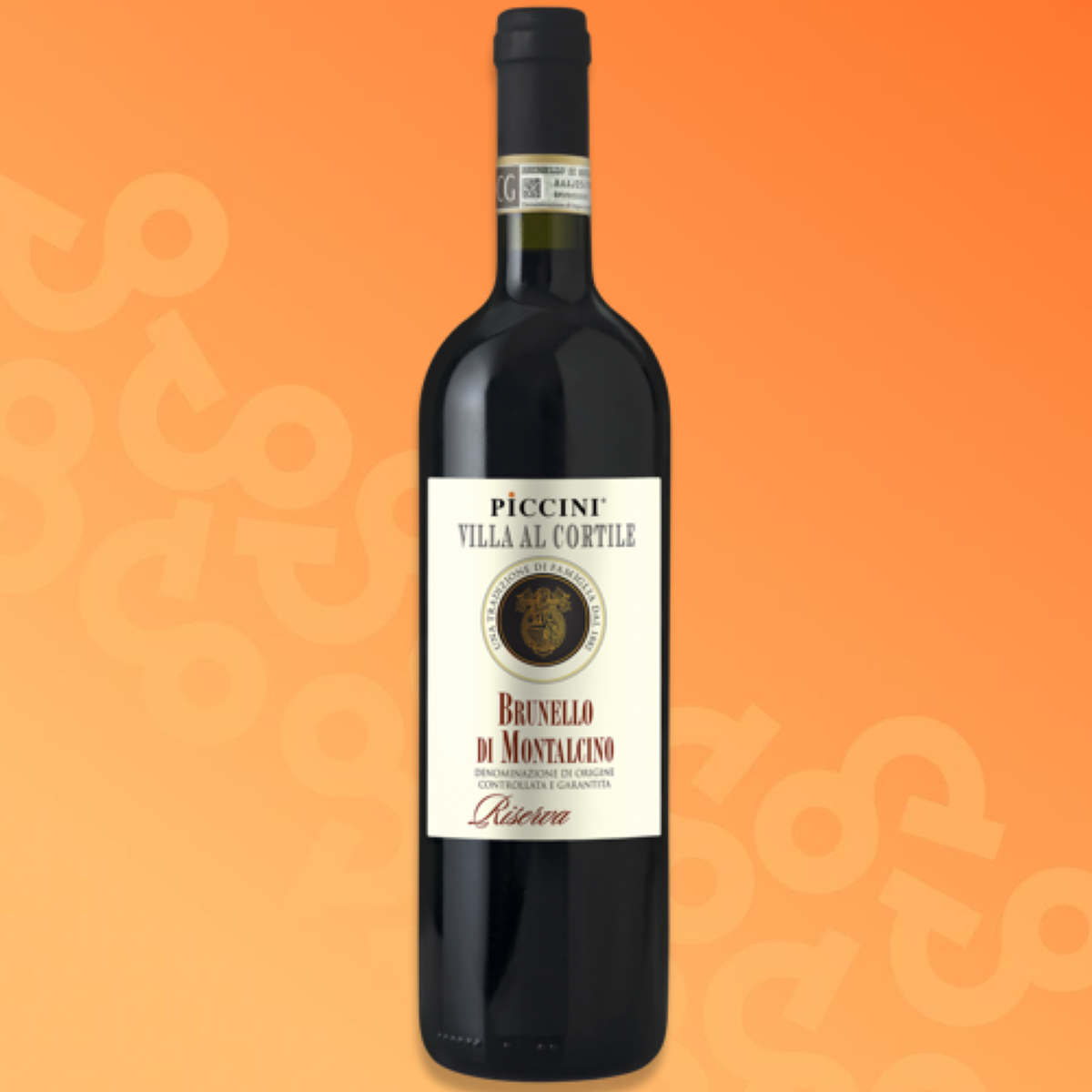
Piccini Brunello di Montalcino Riserva
Prices as of November 19, 2026, as provided by Gall & Gall. You can see the current price and stock at Gall & Gall. Glazen.nl receives a small commission if you buy something through these links; it costs you nothing extra. No one under 18, no alcohol.