La Rochère Abeille Coupe 20 cl - 6 Pieces

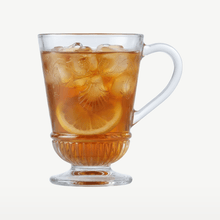
La Rochère Antillaise Iced Tea Glass 29 cl - 6 Pieces

La Rochère Perigord Coupe 22 Cl - 6 Pieces

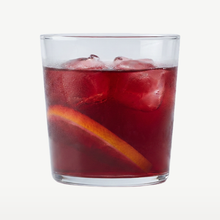
Bormioli Rocco Fortuna Iced Tea Glass 32 Cl - 6 Pieces

The crème brûlée recipe
for your table
Heat the cream with the split vanilla pod until just below boiling, then leave it to infuse off the heat for 15 minutes. Meanwhile, whisk the egg yolks with the sugar, pour in the warm cream in a thin stream while stirring, then pour the mixture through a fine sieve.
Place the ramekins in a deep baking dish and pour in hot water until it comes halfway up their sides. The custard cooks in this water bath at about 100 degrees and must not boil: as soon as the mixture really boils, the eggs curdle and you get a grainy custard with liquid around it. Loosely cover the dish with foil to prevent a skin from forming.
It is ready when the center still wobbles slightly when you tap the dish and the edges have set. That feels too soft, but it will firm up further in the fridge; if you wait until the center is completely still, it will be too firm later. Let the ramekins cool, then chill them for at least three hours.
Just before serving, sprinkle a thin, even layer of cane sugar over the cold custard and torch it until it’s brown and bubbly. Don’t use the broiler: it also heats the custard underneath, and then it’s no longer crème brûlée but a warm dessert.
What did you think of this recipe?
Just click a star to rate. If you’d like to add a comment, we’ll review it before it appears here.
Save this recipe
Send the crème brûlée recipe to your own email so you have it handy when you’re ready to make it. You’ll also get a €5 discount code on orders over €50 for the glasses that go with it.
The story
Crème brûlée is French for “burnt cream,” and the name describes exactly what happens. The custard itself is one of the simplest things to make in a kitchen: cream, egg yolk, sugar, and vanilla, with no thickener. The egg does the work, and eggs set within a narrow temperature range. Below that, the mixture stays liquid; above it, it curdles and releases its liquid. The water bath solves that problem: water can’t get hotter than 100 degrees, so neither can the custard. The crust came later and is pure technique: a layer of sugar that melts in a few seconds and hardens again as it cools.
The right glass
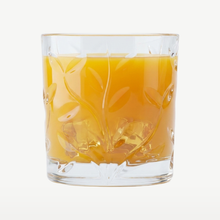
A crème brûlée should be low and wide, and that’s not a matter of taste but of physics. The crust makes up half the dessert, and with the same serving size, a larger surface simply means more crust in every bite. A thin layer of custard also cooks much more evenly in a water bath than in a deep pot, where the outside is done while the center is still runny. The glass below is described as 5.6 centimeters tall and 7.6 centimeters in diameter, exactly that ratio, and has a thick base. The little dish next to it is also wide and low, and stands on a low foot. One honest caveat: neither description says the glass is oven-safe, so don’t assume they can withstand a water bath. In that case, cook the custard in an oven-safe dish, spoon it into the glass once chilled, and torch the crust there. More styles are available in the dessert glasses.

RCR Circus Low Tumbler 17 cl (6 pieces)

La Rochere Coupelle 18 cl Alice (6 pieces)
Both sets together € 54,90.
The right tools
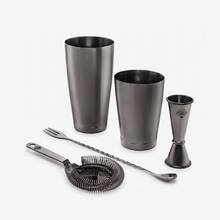
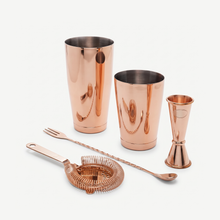
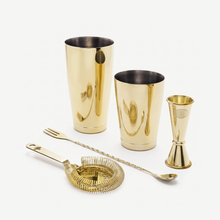
For crème brûlée, as well as a glass, you’ll need a fine strainer to pour the cream through and a fine grater for the tonka bean or nutmeg in the variations. These are the bar tools we use ourselves; you can find everything in our bar tools & cocktail sets.


Glass set (our pick 01) + 2 bar tools together € 52,85.
What to pour alongside it?
Crème brûlée is rich, fatty, and sweet, so whatever you pair with it should balance that out. Bubbles do this best: champagne and crémant cut through the cream and make the next bite feel fresh again. If you prefer sweet with sweet, pour a small glass of moscato. Each drinks page tells you the alcohol percentage, what it tastes like, which cocktails it works in, and what glass you’ll need.


Variations & twists
Let a generous spoonful of coarsely ground coffee steep in the warm cream, then strain it out: you’ll keep the original texture, but the vanilla makes way for coffee. The same works with a teaspoon of dried lavender, though fifteen minutes is more than enough steeping time. Grate a tonka bean over the cream just before straining; it adds an almond-like note that’s close to vanilla. Keep the rest of the recipe unchanged for each variation, and you’ll get a true comparison of the flavors. Need more inspiration? Browse more than 100 cocktail recipes.
Serving tip
Make the custard a day ahead so it has plenty of time to set, and all that's left to do on the evening is one step. Take the dishes out of the fridge fifteen minutes before serving, then sprinkle the brown sugar over them and torch it. The crust will become damp again within half an hour from the custard underneath, so this isn't a step you can do ahead of time.
Good to know
Why use a water bath, and why must the custard not boil?
The custard is set only by egg yolks, and eggs coagulate within a narrow temperature range. If the mixture goes above that range, the proteins tighten, squeeze out the moisture, and leave you with grainy custard surrounded by a puddle of water. There's no fixing it. A water bath prevents this because the water itself can't get hotter than 100 degrees, and the heat also comes in evenly from all sides. Pour water up to halfway up the dishes and top it up if too much evaporates during cooking.
When is crème brûlée done?
Tap the edge of the dish with a spoon. The edges should be set and the center should still wobble slightly, like a flat surface beneath a sheet. It feels too soft at that point, but the custard will continue to set in the fridge: the structure created by the egg firms up once it's cold. If you wait until the center is firm too, you'll end up with custard with the texture of a flan. Allow around forty minutes for small dishes, but go by the test, not the clock.
Why use a torch instead of a grill?
A torch works from a few centimeters away and takes seconds; the heat only touches the sugar layer, and the custard underneath stays cold. A grill heats the whole dish, from top to bottom and outside in, and takes minutes to do so. By the time the sugar is brown, the custard is lukewarm and sometimes has started to run again. You still have something delicious, but not crème brûlée: the contrast in temperature between the warm crust and cold custard is exactly what makes it special.
Why strain the custard?
Every egg has strands called chalazae that don't dissolve and that you'll find between your teeth later. The yolk also always curdles a little when warm cream is added, however gently you pour. A fine-mesh sieve removes both in one go, along with the vanilla pod and any coffee grounds or lavender in a variation. It takes ten seconds and makes the difference between smooth and almost smooth.
When do you torch the crust?
Just before serving, not earlier. Caramelized sugar forms a glassy layer that attracts moisture, and it sits on cold, damp cream. Within half an hour, it goes from hard and crisp to sticky, and after an hour there's nothing left to tap. Sprinkle the brown sugar in a thin, even layer; a thick layer won't melt through from underneath and will stay grainy.
Frequently asked questions
How do you know when crème brûlée is done?
Tap the rim of the dish: the edges should be set, while the center still jiggles slightly. It may seem too soft, but the cream will firm up further in the fridge. If the center is already still in the oven, it will be too firm when cold.
Can you make crème brûlée without a torch?
You can use the broiler, but the result is different. The broiler takes minutes to caramelize the sugar, and the cream underneath warms up during that time. The contrast between a warm crust and cold cream, which is the whole point of the dish, then disappears.
Can you make crème brûlée in a glass?
Serving it in a glass is fine, but usually not cooking it: a glass's description rarely says it's oven-safe, and a water bath puts it under considerable stress. Cook the cream in an oven-safe dish, spoon it into the glass once chilled, and torch the top there.
How far ahead can you make crème brûlée?
You can make the cream a day ahead; covered in the fridge, its texture only improves. Torch the top just before serving, because caramelized sugar turns moist within half an hour and loses its crunch.
Also delicious
Everything for your bar,
to one address
Commercial-grade glasses, sold in sets. Order today, delivered quickly.
Shop the glasses →