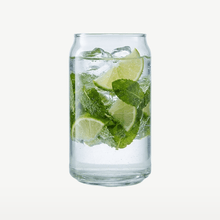
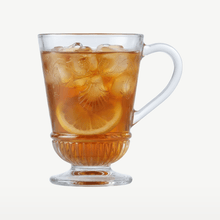
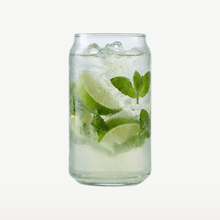
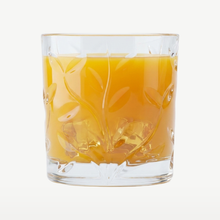
Luigi Bormioli Thermic Glass coffee glass 40 Cl Sublime Beverage - 2 pieces

Luigi Bormioli Thermic Glass coffee glass 34 Cl Latte Macchiato - 2 pieces

Luigi Bormioli Thermic Glass Coffee Glass 11 Cl Michelangelo - 2 Pieces

Luigi Bormioli Thermic Glass Cappuccino Glass 24 Cl Sublime Cappuccino - 2 Pieces

The espresso recipe
for your table
Grind eight grams of beans finely, noticeably finer than for filter coffee. Distribute the grounds evenly in the portafilter and tamp straight down with even pressure, so the water cannot find a fast path through.
Flush the group briefly and warm the cup with hot water, then pour it away. Twenty-five milliliters of coffee is so little that a cold cup immediately draws heat from it, and you can taste the difference.
Insert the portafilter and start immediately. Aim for about twenty-five milliliters in twenty-five to thirty seconds. If it runs much faster, grind finer; if it runs much slower, grind coarser.
Serve the espresso immediately with a small glass of cold water beside it, and drink it within a few minutes, while the crema is still on top. If you like, stir in a splash of grappa or sambuca to make a caffè corretto.
What did you think of this recipe?
Just click a star to rate it. If you’d like to add a comment, we’ll review it before it appears here.
Save this recipe
Email the espresso recipe to yourself so you’ll have it on hand when you’re ready to make it. You’ll also get a € 5 discount code when you spend € 50, for the glasses that go with it.
The story
Espresso isn’t a type of bean but a brewing method: hot water forced under high pressure through a compact bed of finely ground coffee. This dissolves more than with filter coffee and also draws out gas and oils, which explains the crema. Three drinks come from exactly the same portafilter. Stop at around fifteen milliliters and it’s called a ristretto: more concentrated and rounder. Run twice as much water through it and you get a lungo, which takes longer to brew and is therefore more bitter. The same coffee, three different results.
The right glass
Espresso goes in a cup holding six to nine centiliters, no larger: in a roomy cup, twenty-five milliliters of coffee cools within half a minute and the crema collapses. So warm the cup before brewing. Glass has the advantage of letting you see the crema and the color transition, so you can tell right away how the extraction went. A double-walled glass keeps the coffee at temperature the longest and stays warm to the touch on the outside; you can find one among the double-walled coffee glasses.

Luigi Bormioli Thermic Glass Sublime Espresso Glass 8.5 cl (2 pieces)

La Rochère Ouessant Espresso Cup 9 cl (6 pieces)
Both sets together € 50,90.
The right tool
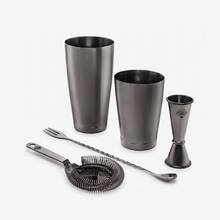
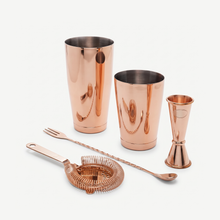
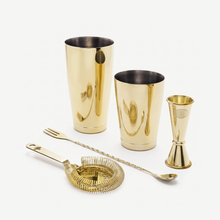
You don’t need much besides the glass for an espresso: a jigger to measure the splash for a caffè corretto precisely, and a nutmeg grater for grating a little dark chocolate or nutmeg over the crema. These are the bar tools we use ourselves; you can find them all in our bar tools & cocktail sets.


Glass set (our pick 01) + 2 bar tools together € 45,85.
What splash goes into an espresso?
Without alcohol, espresso is just coffee. Stir in a splash of liqueur or spirits, and in Italy it’s called a caffè corretto. Traditionally, it’s made with grappa, but in bars, sambuca or amaretto is just as common. Each drinks page tells you the alcohol percentage, how it tastes, which cocktails it goes with, and what glass you need.


Variations & twists
Stop a ristretto at around fifteen milliliters, and let a lungo run until it reaches forty or fifty milliliters. Add a splash of grappa or sambuca to make a caffè corretto, or a dollop of steamed milk for a macchiato. A doppio is simply a double: sixteen grams of coffee and twice as much in the cup. Add hot water, and it’s called an americano, not a lungo. Need more inspiration? Browse more than 100 cocktail recipes.
Serving tip
Serve the espresso immediately and drink it within a few minutes, because the crema settles and the coffee cools quickly. Serve it with a teaspoon, even if it’s mainly for stirring in sugar. In Italy, a small glass of cold water is always served alongside; drink it before the coffee to cleanse your palate.
Good to know
Eight grams in, twenty-five milliliters out
A single espresso uses about eight grams of ground coffee and yields around twenty-five milliliters in the cup, so roughly a one-to-three ratio. A double doubles both amounts. If you want to be precise, weigh not only the grounds but also the coffee that comes out; an ordinary kitchen scale is enough.
Why grind size determines everything
Water takes the easiest path through the coffee bed. If you grind too coarsely, it runs through in ten seconds and the espresso tastes thin and sour because too little has dissolved. If you grind too finely, it drips out and turns bitter. So grind size is the first dial to turn, before the amount.
Where crema comes from
Carbon dioxide forms during roasting and remains in the bean. Under the pressure in the machine, this gas dissolves in the water, and as soon as the coffee reaches the cup and the pressure drops, it’s released again as thousands of tiny bubbles. Oils and dissolved substances from the coffee hold those bubbles together. That’s why fresh beans produce more crema than beans that have been open for months.
Ristretto, espresso, or lungo
All three come from the same coffee bed; the difference is how much water you run through it. Stop a ristretto at around fifteen milliliters, and it will be thicker and rounder. An espresso is around twenty-five. A lungo runs to forty or fifty milliliters, extracting substances that only dissolve later, which makes it more bitter. So a lungo is different from an espresso with hot water added: that’s called an americano.
Warm the cup first
Twenty-five milliliters is such a small amount of coffee that a cold cup immediately draws heat from it. So rinse the cup with hot water and discard it, or place the cups on the machine if it has a warming plate. A double-walled glass keeps the temperature steady for the longest.
The glass of water on the side
In Italian bars, espresso is often served with a small glass of water. The idea is to rinse your mouth with it before drinking, so you can taste the coffee more clearly. You can of course drink it afterward too; there’s no hard-and-fast rule.
Frequently asked questions
How long should an espresso extraction take?
Allow twenty-five to thirty seconds for about twenty-five milliliters. If it runs faster, grind finer or tamp more firmly; if it runs much slower, grind coarser. The time isn't an end in itself, but it is the easiest sign that your grind size is right.
How much coffee goes into an espresso?
Use about eight grams of finely ground beans for a single, and double that for a doppio. That yields around twenty-five milliliters of espresso, so roughly one part coffee to three parts in the cup.
What is the difference between an espresso, a ristretto, and a lungo?
Only the amount of water you pull through the same coffee bed. A ristretto stops at around fifteen milliliters and tastes more concentrated, an espresso is around twenty-five, and a lungo runs up to forty or fifty milliliters and becomes more bitter as a result.
Which glass do you use for espresso?
A small cup holding six to nine centiliters, preferably preheated. Glass has the advantage of letting you see the crema and color; a double-walled glass keeps the coffee warm the longest and stays comfortably warm to the touch on the outside.
Also delicious
Everything for your bar,
to one address
Hospitality-quality glasses, sold in sets. Order today, delivered fast.
Shop glasses →