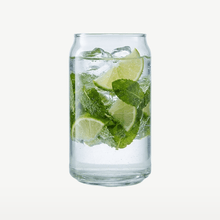
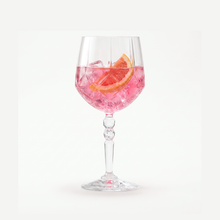
Royal Leerdam Amira Amuse Glass 15 Cl - 6 Pieces
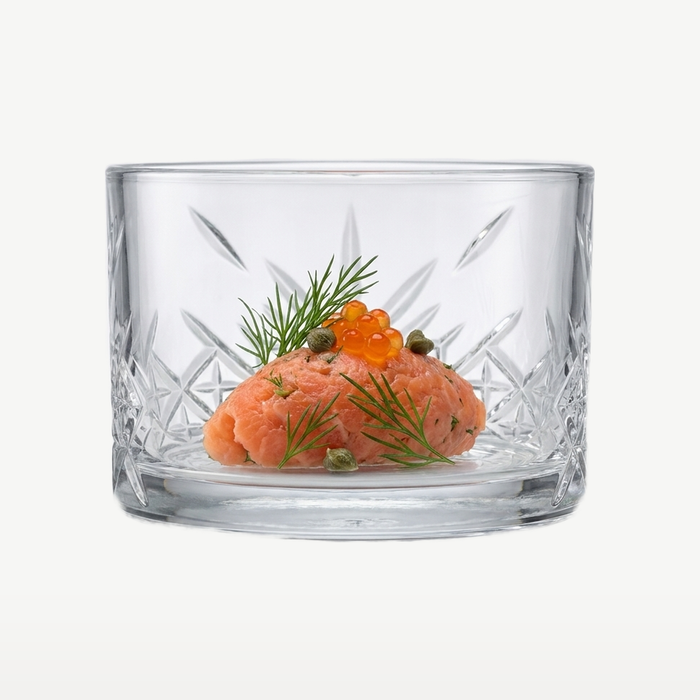
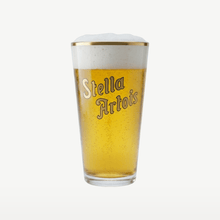
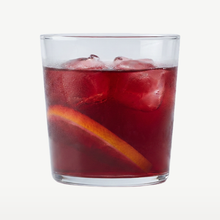
Pasabahce Timeless Amuse Glass 23,6 Cl - 4 Pieces

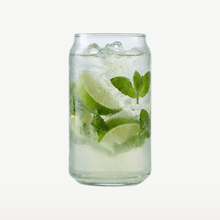
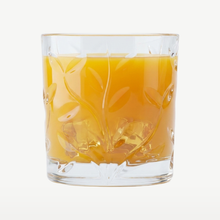
RCR Circus Low Tumbler 17 Cl - 6 Pieces
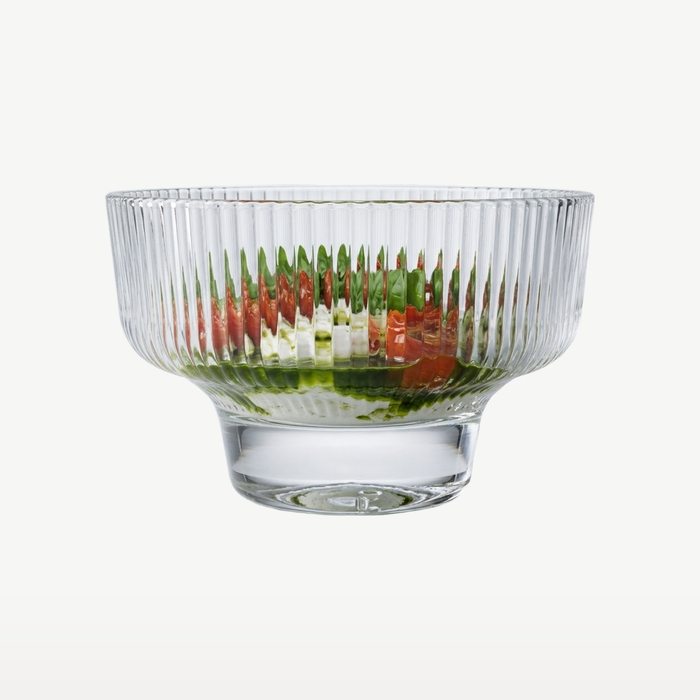
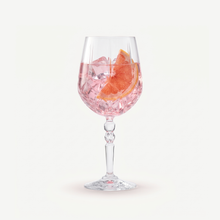
La Rochere Alice Coupelle 18 Cl - 6 Pieces

The gazpacho recipe
for your table
Cut the tomatoes into pieces, peel the cucumber and remove the seeds from the bell pepper. Put everything in a bowl with the stale white bread and half a clove of garlic per person, and leave it for ten minutes so the bread absorbs the tomato juice.
Blend everything until smooth and pour in the olive oil in a thin stream while the machine is running. This emulsifies the oil with the tomato juice, so the soup won't separate later. Season with salt and sherry vinegar, about 1 cl of vinegar to 3 cl of oil.
Pour the soup through a fine sieve and press it through with the back of a spoon. The skins, seeds and remaining pieces of pepper will be left behind. Without this step, you don’t drink it, you eat it with a spoon, and in a small glass that makes all the difference.
Chill the gazpacho, covered, in the refrigerator for at least two hours. It really needs to be cold, and the garlic and vinegar also need those two hours to infuse properly. Then taste it again and pour it into glasses that are cold too.
What did you think of this recipe?
One click on a star is enough. If you’d like to add something, we’ll review it before it appears here.
Save this recipe
Send the gazpacho recipe to your own email so you have it handy when you’re ready to make it. You’ll also receive a € 5 discount code on orders over € 50, for the glasses that go with it.
The story
Gazpacho comes from Andalusia, in southern Spain, where it’s served at the table when it’s too hot to cook. The oldest version didn’t contain any tomato at all: it was bread, garlic, olive oil, vinegar and water, pounded together in a mortar. Tomato was added only later and took over the leading role, but the bread remained. So it isn’t a thickener added as an afterthought; it’s the oldest ingredient in the recipe. It holds the olive oil and tomato juice together, so the soup doesn’t separate into two layers in the glass.
The right glass
Gazpacho works in a glass because you drink it rather than eat it with a spoon. So you want a smooth rim and a size that fits in one hand, since you’ll usually be holding a small plate or napkin too. For serving at drinks, a shot glass of seven or eight centiliters is the right size: enough for two or three sips, and you can carry around a tray full of them. If you’re serving it as a starter, choose a wide glass of around twenty centiliters that also fits a small spoon and lets you see the cucumber cubes and the drop of olive oil on top. Thick glass helps in both cases because it keeps the soup cold for longer. Find more glassware for appetizers in our appetizer glasses.

Schott Zwiesel For You shot glass 7.5 cl (4 pieces)

Pasabahce Elysia Amuse glass 23.5 cl (4 pieces)
Both sets together € 36,90.
The right tools
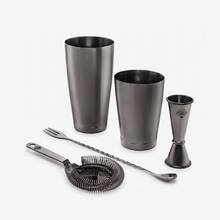
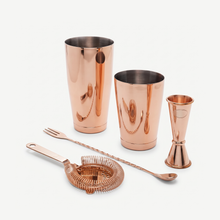
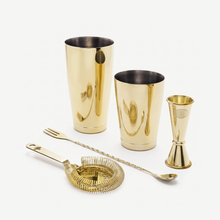
For gazpacho, in addition to a glass, use a fine strainer to make the soup smooth and a jigger to measure out the olive oil and sherry vinegar. These are the bar tools we use ourselves; find everything in our bar tools & cocktail sets.


Glass set (our pick 01) + 2 bar tools together € 44,85.
What should you serve with it?
Gazpacho is tart from the tomato and vinegar, so you want something dry and chilled to stand up to it. White wine from Spain is the most obvious choice, and sparkling wine works just as well. Popular choices include verdejo and cava. On each drink page, you'll find the alcohol percentage, what it tastes like, which cocktails pair well with it, and what glass you need.


Variations & twists
With yellow tomatoes, the soup is milder and almost sweet, and if you replace some of the tomato with watermelon, you get a summery version that tastes even fresher. Salmorejo is the thicker version from Córdoba: more bread, no cucumber or bell pepper, topped with egg and ham. Want it spicy? Blend in a small piece of green pepper. Looking for more inspiration? Browse more than 100 cocktail recipes.
Serving tip
Pour the gazpacho only when the glasses have come out of the fridge too, because a cold glass keeps the soup at the right temperature much longer than a room-temperature glass. Garnish at the last moment with a few diced cucumber pieces, a drop of olive oil, and some finely chopped chives; if you add them earlier, they’ll sink. If you’re serving a full portion, add a small spoon.
Good to know
Why does it need two hours in the fridge?
Two reasons. The blender gets warm and transfers that heat to the soup, so gazpacho is lukewarm straight out of the machine and tastes bland. And the garlic, vinegar, and salt need time to infuse throughout the soup; right after blending, you’ll taste them separately. Allow at least two hours; overnight is better. Taste it again afterward, because everything seems less seasoned when cold.
Why is there stale bread in it?
The bread does two things. It thickens the soup so it’s substantial enough to drink without going down your throat like water. It also helps keep the olive oil and tomato juice together, so no layer of oil floats on top in the glass. Stale bread absorbs more liquid than fresh bread, so save a piece of baguette or white bread that’s a day or two old.
Do you need to peel the tomatoes?
Not if you’re going to strain the soup afterward anyway. The skins will stay in the strainer along with the seeds and pieces of pepper. If you’re not straining it, peeling is worth considering: score the tomatoes, put them in boiling water for thirty seconds, then plunge them into cold water, and the skins will come right off. For a shot glass, we recommend straining, because a skin sticking to your lip is exactly what you don’t want.
Which vinegar should you use?
Sherry vinegar is essential and is the standard in southern Spain; it’s mild, with a little nutty depth. If you don’t have any, use white wine vinegar, but add it more cautiously because it’s sharper. A useful ratio is one part vinegar to three parts olive oil. Start with less: you can’t take it out, but you can always add more.
How many glasses can you get from one serving?
A 250-gram serving of tomatoes makes about two deciliters of soup. That’s two to three shot glasses of seven or eight centiliters, or one wide glass as a starter. For a drinks party, allow two glasses per guest and keep the rest in a jug in the fridge, so you can top them up without the soup getting lukewarm on the table.
Frequently asked questions
How long should gazpacho stay in the fridge?
At least two hours, and overnight is better. The soup comes out of the blender lukewarm and needs to get really cold, and during those hours the garlic, vinegar, and salt have time to blend in properly. Taste it again just before serving, because salt and acidity taste less intense when cold than when lukewarm.
Should you strain gazpacho?
For a small glass, yes. The tomato skins, seeds, and remaining bits of pepper stay in the sieve, and those are exactly what you can feel when drinking. Press the soup through a fine sieve with the back of a spoon. If you’re eating it with a spoon from a bowl, you can skip this step.
What glass should you use for gazpacho?
For drinks, use a shot glass holding seven or eight centiliters: two or three sips, and it sits securely on a tray. As a starter, use a wide glass of around twenty centiliters that fits a small spoon. In either case, thick glass keeps the soup cold for longer.
How long does gazpacho keep?
Covered in the refrigerator for two days. They’re raw vegetables, so it shouldn’t sit on the counter in between; take it out only when you’re ready to pour. The garlic gets stronger after a day, so taste it before topping up. You can freeze it, but it will lose its emulsified texture and you’ll need to blend it again.
Also delicious
Everything for your bar,
at one address
Hospitality-quality glasses, sold in sets. Order today, delivered quickly.
Shop glasses →