

Australian wine
Australian wine is known for ripe, powerful shiraz from the Barossa Valley. But the country also makes crisp riesling, elegant pinot noir from Tasmania and full-bodied chardonnay. Most vineyards are in the southeast, around Adelaide and Melbourne.


Australian wine, by grape variety and winery
Australian wine is chosen mainly by grape variety, and often by winery. We have a dedicated page about the main grape varieties and Penfolds.

Shiraz
In France, it's called syrah. In Australia, shiraz became the best-known grape: ripe, full-bodied and spicy.
About shiraz →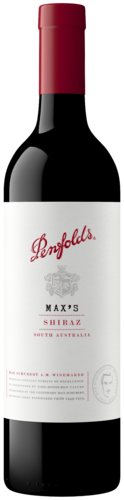
Penfolds
Australia's best-known winery, with the Bin wines and Grange as its flagships.
About Penfolds →
Chardonnay
Once mainly full-bodied and oaky, now also fresher from cool regions such as the Adelaide Hills and Tasmania.
About chardonnay →
Grenache
Together with shiraz and mataro, grenache forms the famous GSM blend from South Australia.
About grenache →Sun, old vines and cool corners
Australia is vast, and much of it is too hot and dry for winemaking. Vineyards are therefore concentrated in the southeast and far southwest, where the sea and elevation provide cooling. South Australia, with the city of Adelaide, is the main wine region. It is home to the Barossa Valley and McLaren Vale, known for powerful shiraz; the Clare Valley and Eden Valley with their crisp riesling; and Coonawarra with cabernet sauvignon grown in red soil. Other well-known regions are found in Victoria, New South Wales and Western Australia, including the Yarra Valley, Hunter Valley and Margaret River. The island of Tasmania is the coolest region and produces pinot noir, chardonnay and sparkling wine.
Shiraz is Australia's best-known grape. It's the same grape as French syrah, but in the Australian sun it grows riper and fuller-bodied. There are still many very old vines in South Australia, because phylloxera never reached the region. Australian winemakers like to blend: shiraz with cabernet sauvignon, or the GSM blend of grenache, shiraz and mataro (mourvèdre). Many labels say South Eastern Australia. This is a large region covering several states, allowing wineries to combine grapes from different areas. Penfolds Grange, the country's best-known wine, originated in the 1950s as a blend of shiraz from different vineyards. Many Australian wines have a screw cap instead of a cork.
In brief
Seven bottles, from Barossa shiraz to Tasmanian pinot
We start with two shiraz wines from South Australia and two typically Australian blends. Then a riesling from the Clare Valley, a pinot noir from Tasmania and a chardonnay from the cooler regions.
Chateau Tanunda Grand Barossa Shiraz
Shiraz from the Barossa Valley, aged for eighteen months in French and American oak. Blackberries, plums and black pepper.

Penfolds Bin 28
Shiraz from Penfolds, originally from the Kalimna vineyard in the Barossa Valley. Ripe, robust and full of dark fruit.

Penfolds Max's Shiraz Cabernet Sauvignon
Shiraz with cabernet sauvignon, a true Australian combination. Shiraz brings ripe fruit, while cabernet adds structure and cassis.
Penfolds Bin 138 Shiraz Grenache Mataro
Shiraz with grenache and mataro, also known as mourvèdre: the classic GSM blend. Juicy, spicy and rounded.

Wakefield Estate Riesling
Riesling from the Clare Valley, known for dry, crisp riesling with lime and citrus notes. Fresh and clean.
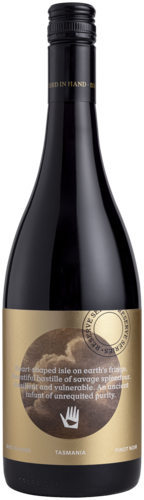
Bird in Hand Tasmanian Pinot Noir Reserve
Pinot noir from the cool island of Tasmania. Black cherries, plums and spices, with silky tannins and freshness.
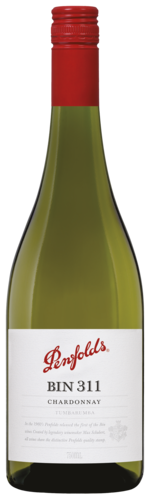
Penfolds BIN 311 Chardonnay
Chardonnay from cooler regions, with modest oak aging. Citrus, hazelnut and a creamy touch of fresh bread.
What’s the difference between shiraz and syrah, apart from the name? Find out on our shiraz page.
Ripe fruit, pepper and sunshine
Blackberries & pepper
Australian shiraz smells of blackberries, plums and black cherries, with black pepper, licorice and often a touch of mint or eucalyptus. Aging in oak adds vanilla and chocolate. Riesling, by contrast, smells of lime and citrus blossom.
Full-bodied and juicy
The red wines are full-bodied, ripe and smooth, with plenty of fruit and a warm touch of alcohol. Wine from cool regions, such as Tasmania and the Adelaide Hills, is leaner and fresher.
Warm and spicy
Shiraz finishes long and spicy, with sweet fruit and pepper. Clare Valley riesling finishes crisp and dry, with refreshing acidity.
Flavor profile of a typical shiraz from South Australia. A riesling from the Clare Valley or a pinot noir from Tasmania scores higher in freshness and lower in intensity.
How to serve Australian wine
Shiraz should not be too warm, white wine should be chilled, and a big shiraz or cabernet needs to breathe first.
Red at 16 to 18 degrees
Australian shiraz often has 14.5% alcohol. At room temperature, all you taste is the alcohol. Serve it at around 16 to 17 degrees to keep the fruit fresh. Tasmanian pinot noir can be served a little cooler.
More about wine temperature →Letting a big wine breathe
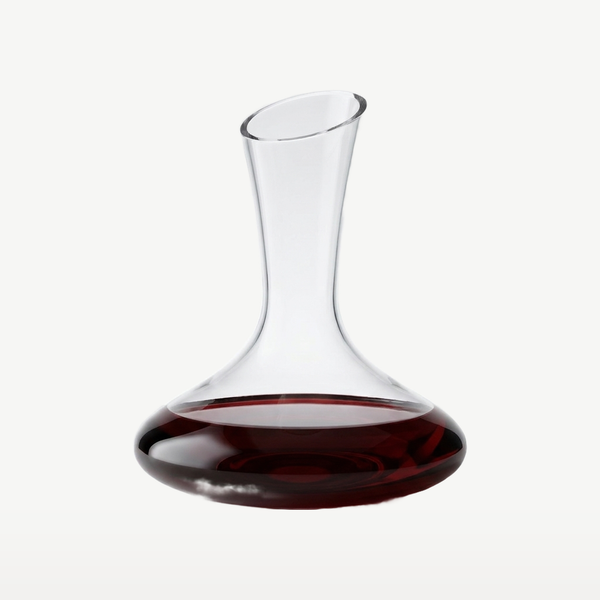
A powerful shiraz from the Barossa or a cabernet from Coonawarra softens and opens up when poured into a decanter half an hour to an hour ahead of time. A top wine like Grange is often decanted for even longer.
Decanters →White and rosé, chilled
Serve riesling and rosé at 8 to 10 degrees. Oaked, full-bodied chardonnay can be served a little warmer, around 10 to 12 degrees, to bring out its creamy flavor.
More about decanting →Australian wine at the table
Barbecues are central to life in Australia, and ripe red wines are a perfect match. Fresh riesling, on the other hand, is a regular pairing with Asian food, which is widely eaten in Australia.
Barbecue and lamb
Spareribs, lamb chops, sausages and marinated grilled meat. The pepper in shiraz pairs beautifully with spicy rubs.
Red meat and stew
A steak, entrecôte, leg of lamb or stew. A GSM blend also pairs well with spiced dishes and couscous with lamb.
Asian food and fish
Thai and Vietnamese dishes, sushi, oysters and grilled fish. Its lime-like freshness makes the food feel light.
Chicken, salmon and duck
Chardonnay with grilled chicken, smoked salmon and lobster. Tasmanian pinot noir with duck, salmon and mushrooms.
The right glass for Australian wine
Pour shiraz into a spacious red wine glass with room to swirl. For a powerful cabernet or a top wine like Grange, choose a tall, large bowl. Riesling calls for a smaller glass, and full-bodied chardonnay for a large wine glass. These are the glasses we recommend ourselves.


Everything you still wanted to know about Australian wine
Can't find your question here? Read more about wine and food, or get in touch.
Go to wine and food →What is Australian wine?
What is the difference between Shiraz and Syrah?
What does South Eastern Australia mean on the label?
What is GSM wine?
How much alcohol is in Australian wine?
What goes well with Shiraz?
Buy Australian wine
Want the bottle delivered straight to your door? Order Australian wine online at Gall & Gall. Gall & Gall has 38.
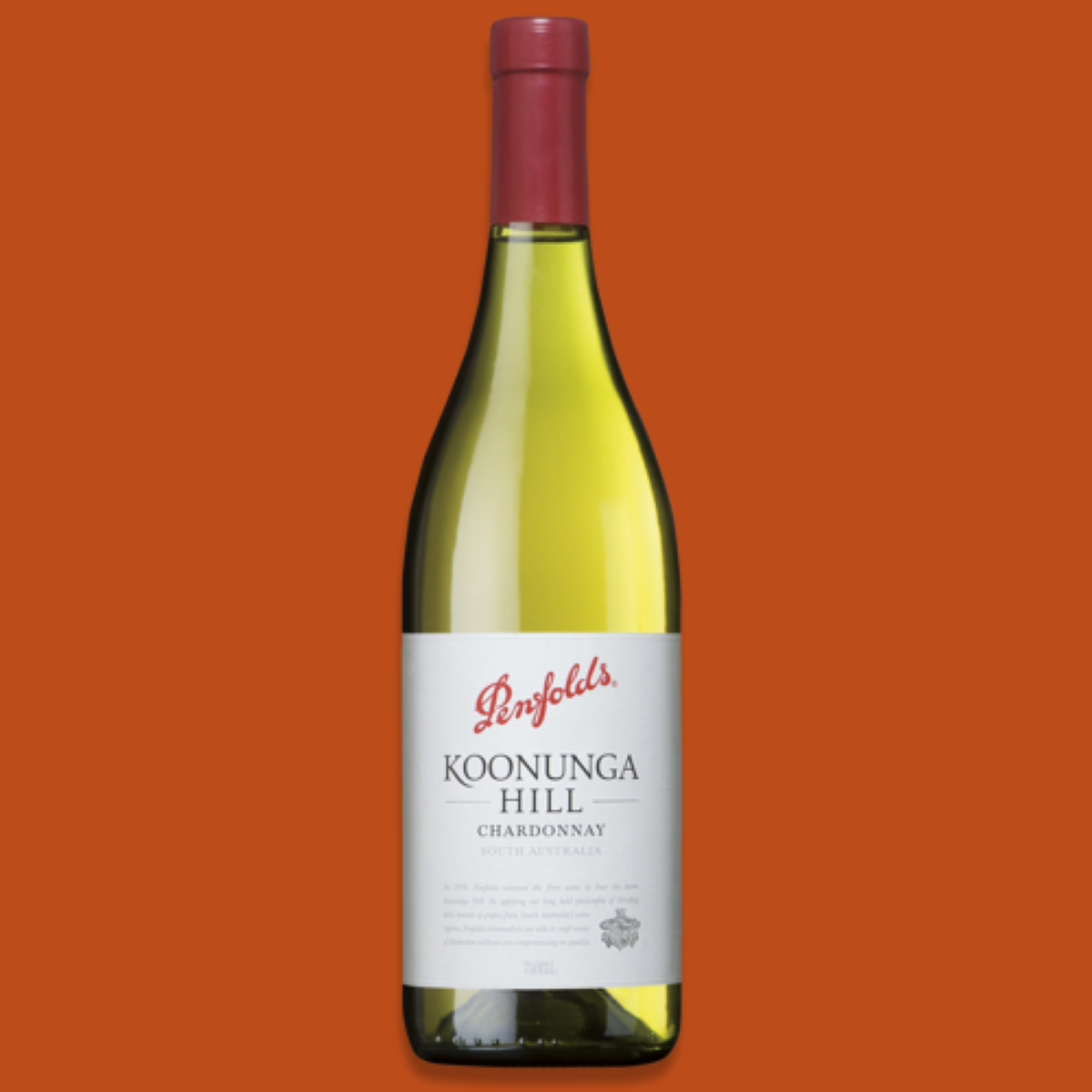
Penfolds Koonunga Hill Chardonnay
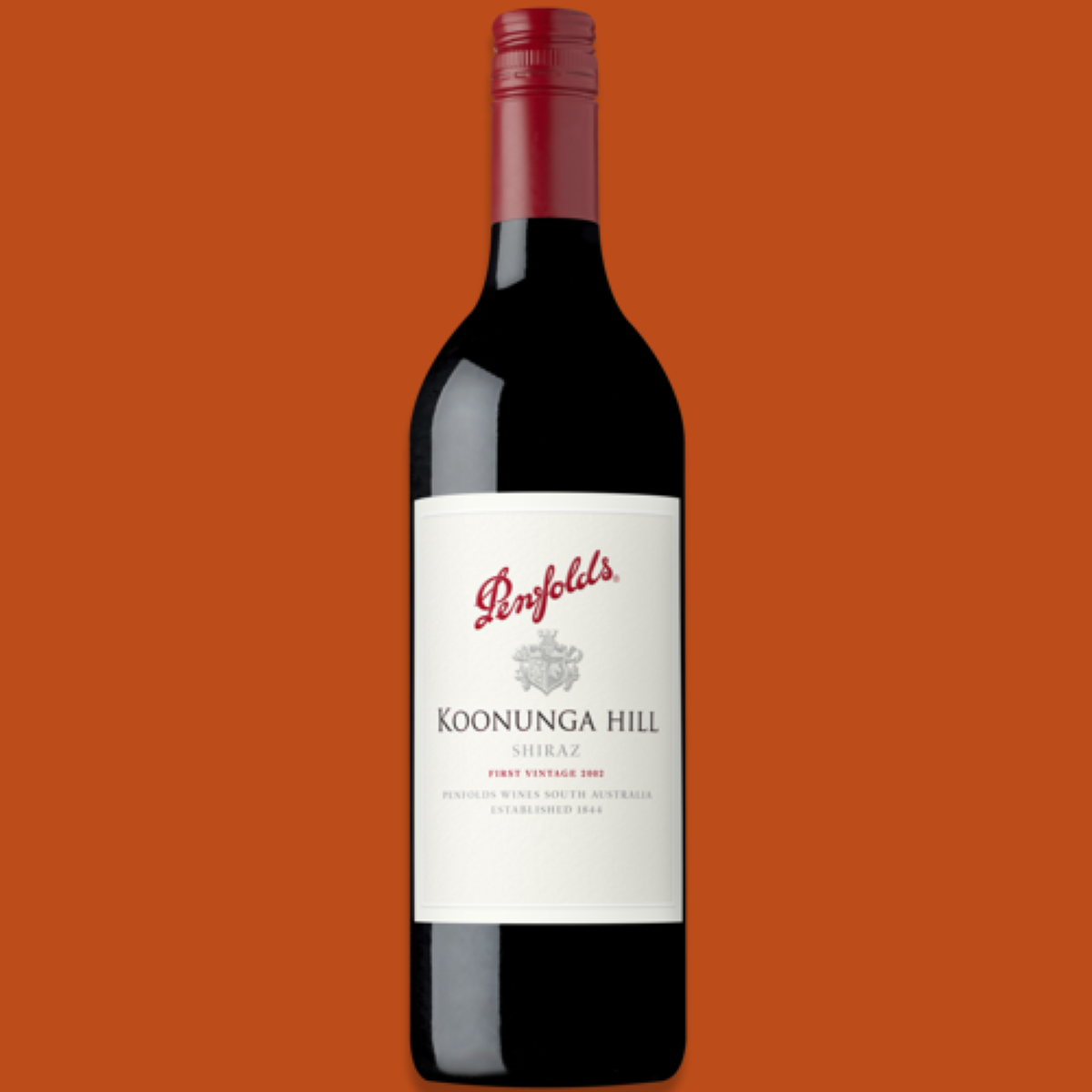
Penfolds Koonunga Hill Shiraz
Prices as of November 21, 2026, as provided by Gall & Gall. You can see the current price and stock at Gall & Gall. Glazen.nl receives a small commission if you buy something through these links; it costs you nothing extra. No 18, no alcohol.