

Chilean wine
Chilean wine comes from a narrow country between the Andes and the Pacific Ocean. It's known for juicy Cabernet Sauvignon, crisp Sauvignon Blanc, and Carmenère, an old Bordeaux grape that found a second life in Chile.

Chilean wine, by grape and winery
When buying Chilean wine, people usually choose by grape. We have a dedicated page on the main grapes and one on a well-known winery.

Carmenère
Once a Bordeaux grape, now the pride of Chile. Smooth, with dark fruit and a spicy note.
About Carmenère →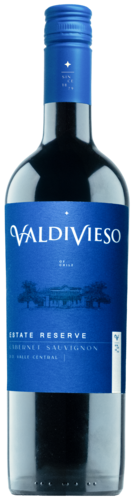
Cabernet sauvignon
The backbone of Chilean red wine, with cassis, blackcurrant, and often a hint of mint.
About Cabernet Sauvignon →
Sauvignon blanc
From valleys such as Casablanca and Leyda, Sauvignon Blanc offers citrus, gooseberry, and green herbs.
About Sauvignon Blanc →
A Long, Narrow Wine Country
Chile is more than four thousand kilometers long and, on average, less than two hundred kilometers wide. The vineyards are mainly in the middle of the country, around the capital, Santiago. The Andes lie to the east, and the Pacific Ocean, with its cold ocean current, lies to the west. The days are sunny, but it cools down considerably at night because of the cold air from the mountains and the sea. As a result, the grapes develop ripe fruit flavors while retaining their freshness. Spanish missionaries brought the grapevine to Chile as early as the sixteenth century. In the nineteenth century, French grapes arrived too, including Cabernet Sauvignon, Merlot, and Carmenère.
Carmenère has a remarkable story. The grape nearly disappeared in Bordeaux, but for years it grew unnoticed among Merlot vines in Chile. Only in the 1990s did researchers discover that much of Chilean Merlot was actually Carmenère. Today, it is the grape that sets Chile apart. The wine regions are divided into valleys. The Central Valley, which includes Maipo, Cachapoal, Colchagua, Curicó, and Maule, is warm and produces mostly red wine. Aconcagua lies north of Santiago. The cooler valleys close to the coast, such as Casablanca and Leyda, are known for Sauvignon Blanc, Chardonnay, and Pinot Noir. Further south, in Bío-Bío, it is even cooler. One striking fact: phylloxera, which devastated nearly all European vineyards in the nineteenth century, never reached Chile.
In brief
Seven bottles, from Carmenère to Sauvignon Blanc
We start with two Carmenères, the grape that makes Chile unique. Then Cabernet, Syrah, and Pinot Noir, plus two white wines from the cool valleys near the coast.
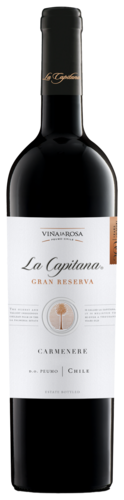
La Capitana Carmenere
Carmenère from the Cachapoal Valley. You can recognize the grape by its plums and berries, with a hint of bell pepper and chocolate.

Valdivieso Single Vineyard Carmenère
Single-vineyard Carmenère, aged for twelve months in French oak barrels. Smooth like a Merlot, with plums, ripe berries, and black pepper.

Errazuriz Estate Cabernet Sauvignon Reserva
Cabernet sauvignon from the Aconcagua Valley. Aged for twelve months without the oak overpowering it. Full-bodied, with cassis and blackcurrant.

Errazuriz Max Shiraz
Syrah from the Aconcagua Valley, aged for a year in French oak barrels. Red and black fruit with clove, nutmeg and pepper.

Eco Pinot Noir Organic
Organic pinot noir from Bío-Bío, the cool region in the south. Light and fresh, with red cherries, raspberries and mushrooms.

Errazuriz Max Sauvignon Blanc
Crisp, dry sauvignon blanc from vineyards close to the ocean. Aromatic, with citrus, tropical fruit and fresh green herbs.

Valdivieso Single Vineyard Chardonnay
Chardonnay from the cool Leyda Valley near the coast, spontaneously fermented. Full-bodied, with peach, apricot and grapefruit.
How could an entire grape variety be mistaken for merlot for years? Find out on our carmenère page.
Ripe fruit with a fresh edge
Black fruit & spices
Red wine smells of cassis, blackberries and plums, often with a hint of mint, pepper or bell pepper. Oaked wine gains notes of vanilla, chocolate and coffee. White wine smells of citrus, gooseberry, green apple or tropical fruit.
Juicy and smooth
Most Chilean red wines are rounded, with ripe fruit and soft tannins. Cabernet sauvignon is fuller-bodied, while carmenère is smooth. White wine from the coastal valleys is crisp and fresh.
Fruity and dry
Chilean wine usually finishes dry and fruity, without harsh edges. Carmenère often leaves a spicy note.
Flavor profile of a typical Chilean red wine, such as a carmenère or cabernet. A sauvignon blanc from Casablanca or Leyda scores higher on freshness and lower on intensity.
How to serve Chilean wine
Serve red wine slightly chilled, white wine cold, and give an oaked cabernet or syrah some time to breathe.
Red at 16 to 18 degrees
Chilean red wine has lots of ripe fruit and often 13.5% alcohol or more. If you serve it too warm, the alcohol is all you taste. Around 16 degrees, it stays fresh. A pinot noir from the cool south can be served a little cooler.
More about wine temperature →Let full-bodied wine breathe
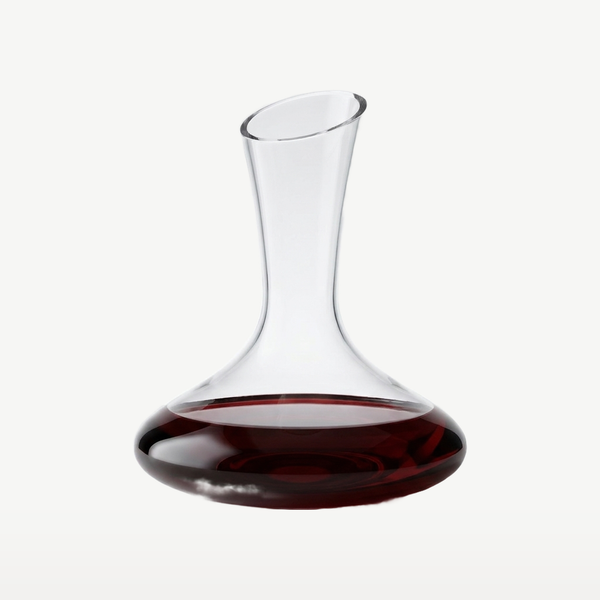
A Cabernet Sauvignon or Syrah aged in oak becomes smoother if you pour it into a decanter half an hour beforehand. You can pour a smooth Merlot or Carmenère straight away.
Decanters →Serve white and rosé chilled
Serve Sauvignon Blanc and rosé at 8 to 10 degrees. Oak-aged, full-bodied Chardonnay can be served a little warmer, around 10 to 12 degrees, so you can better taste its creamy flavor.
More about decanting →Chilean wine at the table
Chilean wine is fruity and approachable, making it an easy choice with food. Red wine pairs well with grilled meat, while crisp white wine goes well with fish and salads.
Grilled meat and tabletop grilling
Carmenère pairs well with seasoned meat, bell peppers, chili con carne, and empanadas. A smooth Merlot is an easy wine to serve with tabletop grilling.
Red meat
A steak, duck breast, or lamb grilled over an open flame. The full-bodied Cabernet pairs well with the meat's fat.
Fish and goat cheese
Ceviche, grilled fish, mussels, a salad with goat cheese, or simply as an aperitif.
Salmon, chicken, and mushrooms
A full-bodied Chardonnay with salmon and chicken in cream sauce, a light Pinot Noir with mushrooms and poultry.
The right glass for Chilean wine
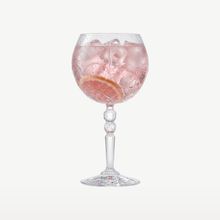
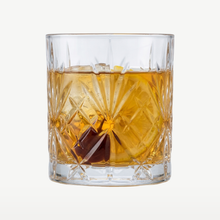
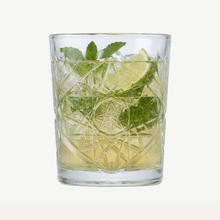
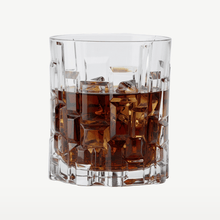
Pour Carmenère and Merlot into a spacious red wine glass so the fruit can develop fully. For a full-bodied Cabernet, choose a tall bowl; for Sauvignon Blanc, a smaller glass that preserves its freshness. These are the glasses we recommend ourselves.


Everything you still wanted to know about Chilean wine
Is your question not listed? Read more about wine and food, or get in touch.
Wine and food →What is Chilean wine?
What is Carmenère?
What is the difference between Chilean and Argentine wine?
What does reserva mean on a Chilean bottle?
How much alcohol is in Chilean wine?
What food goes with Chilean red wine?
Buy Chilean wine
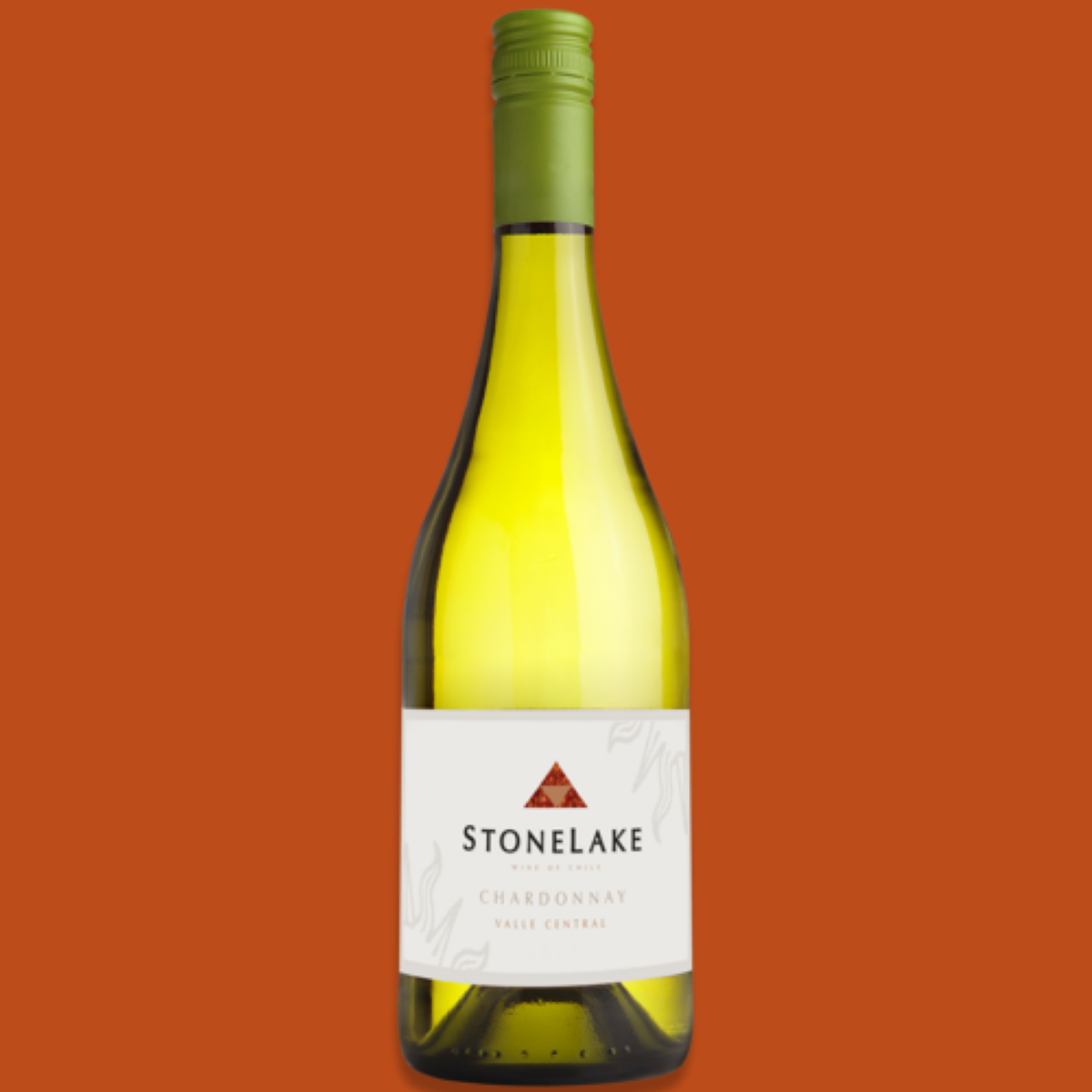
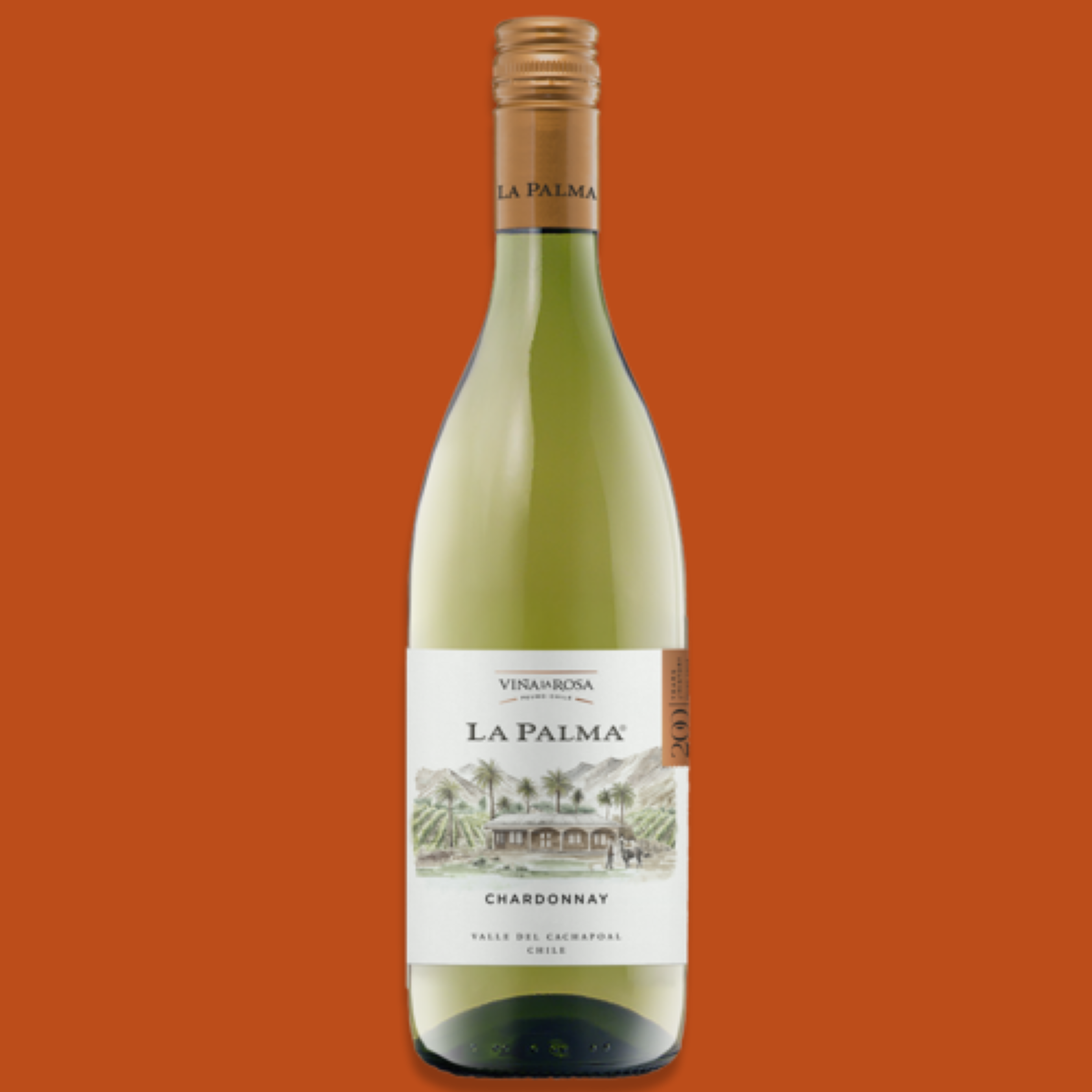
Want the bottle delivered straight to your door? Order Chilean wine online from Gall & Gall. Gall & Gall has 103 options, 2 of which are on sale.
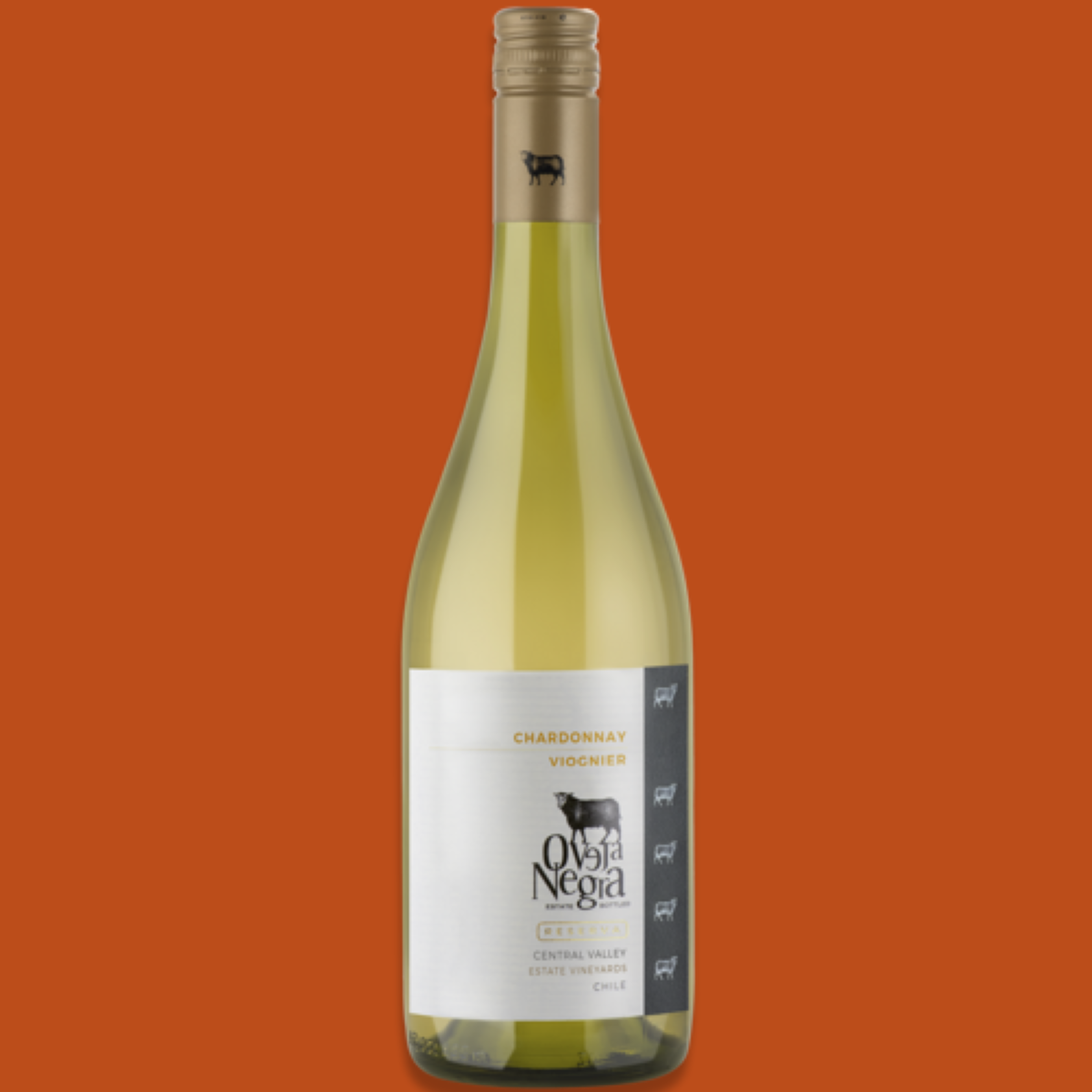
Oveja Negra Reserva Chardonnay Viognier
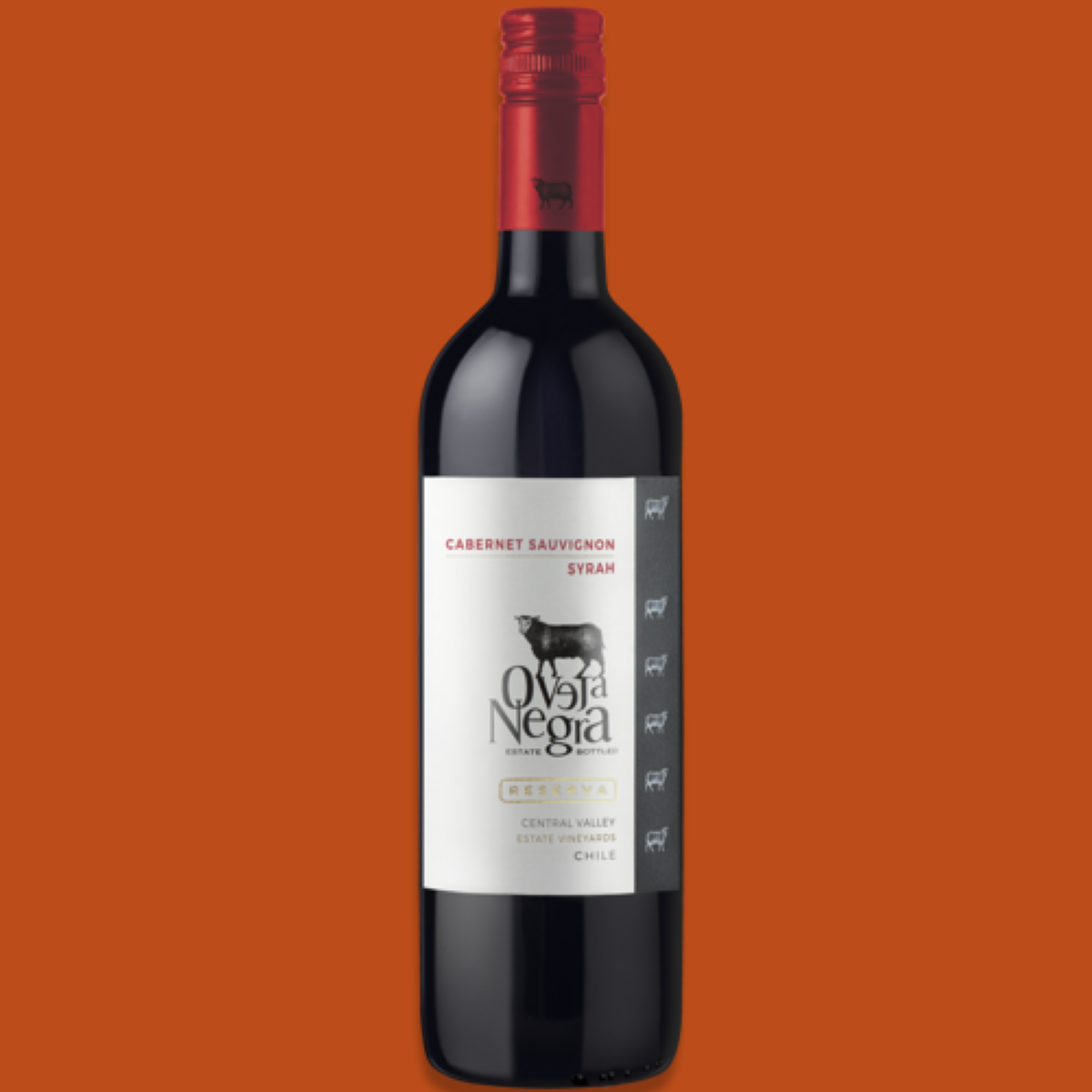
Oveja Negra Reserva Cabernet Sauvignon Syrah
Prices as of November 22, 2026, as provided by Gall & Gall. You can check the current price and stock at Gall & Gall. Glazen.nl receives a small commission if you buy something through these links; it won’t cost you anything extra. No 18, no alcohol.