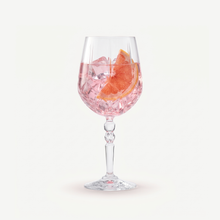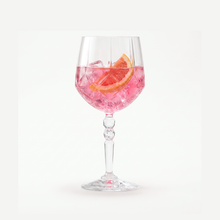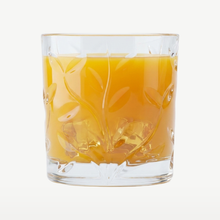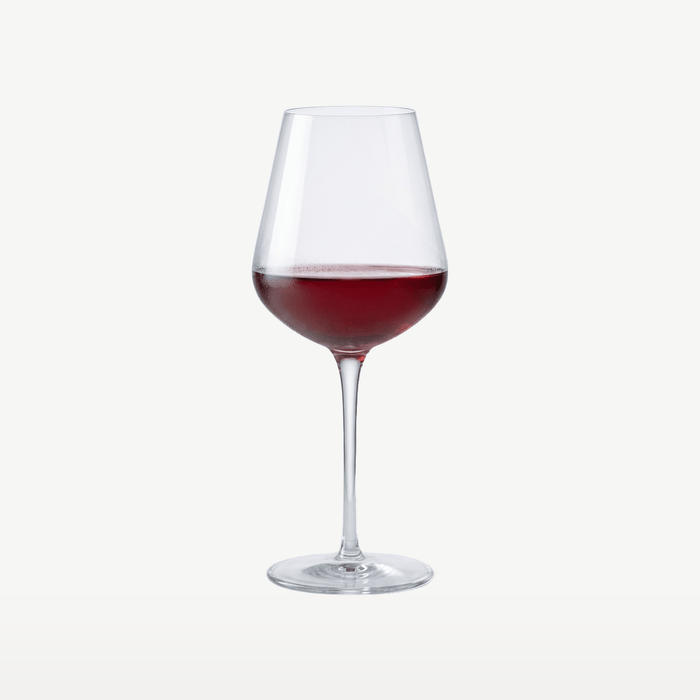
Bormioli Rocco Uno Inalto Wine Glass 47 Cl - 6 Pieces
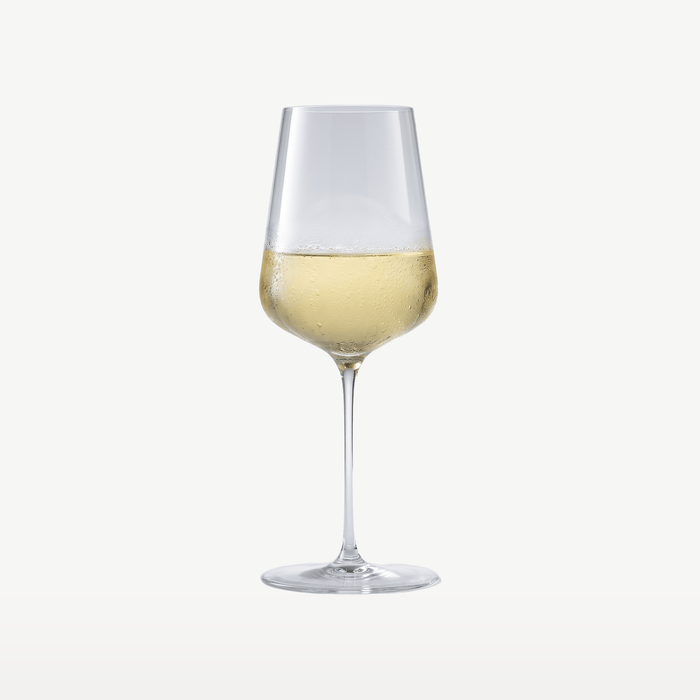
Spiegelau Definition Wine Glass 55 Cl - 6 Pieces

Lehmann Grand Blanc Wine Glass 54 Cl - 6 Pieces
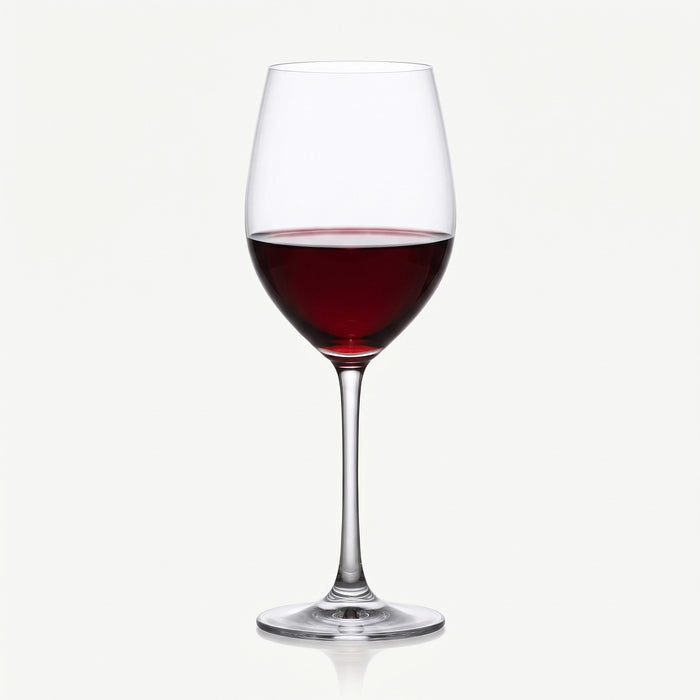
Spiegelau Vino Grande Wine Glass 42 cl - 2 Pieces

How to pour
a Beaujolais in
Put the bottle in the fridge for about an hour to bring the wine to 12 to 14 degrees. Beaujolais is a light red wine and is served slightly chilled; at room temperature, it becomes heavy and sweetish, and the fresh cherry notes fade into the background.
Cut around the capsule below the ridge on the neck, center the corkscrew over the cork, and turn it straight down. Simple Beaujolais often comes with a screw cap, which says nothing about its quality: the wine relies on its freshness.
Decanting isn’t necessary. Beaujolais is low in tannins and its aromas show themselves right away, so extra air doesn’t do much. With a cru from a good vintage, pour a glass and leave the rest in the bottle for a little while; after 15 minutes, see if it has developed more depth.
Pour until the glass is about one-third full. The space above catches the aroma, and keeping the pour small helps the wine stay cool. Put the bottle back in the fridge or an ice bucket between pours, especially on a hot day.
What did you think of this guide?
One click on a star is enough. If you’d like to add a comment, we’ll review it before it appears here.
Save this page
Email this page to yourself so you have the information handy when it's time to pour. You'll also receive a € 5 discount code when you spend € 50, for the matching glasses.
The story
Beaujolais lies south of Burgundy and north of Lyon, and almost exclusively uses gamay grapes. In the north of the region, where the ten crus are located, the soil consists largely of weathered granite; farther south it becomes more clay-rich and chalky, and that's where simple Beaujolais comes from. The region became famous for nouveau, the young wine that is launched with great fanfare every autumn. That success overshadowed the name for years, as many drinkers know only this celebratory version and not the crus, which are very different in style.
The right glass
Beaujolais is a light red wine and calls for a moderately sized, rounded bowl. You want the rounded shape, as it gives the aromas of cherry, raspberry and violet room to open up, but the huge Burgundy bowl used for pinot noir is more of a hindrance here: the wine warms up faster in it, which is exactly what you don't want at 12 to 14 degrees. Check the sizes in the red wine glasses collection; if the bottle stays on the table, a wine cooler helps.

Schott Zwiesel Ever Classico Burgundy glass 41 cl (6 pieces)

Schott Zwiesel Mondial Burgundy glass 59 cl (6 pieces)
Both sets together € 98,70.
The right tools
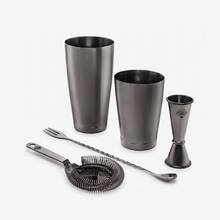
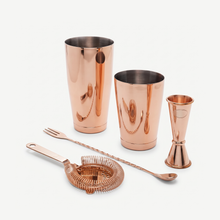
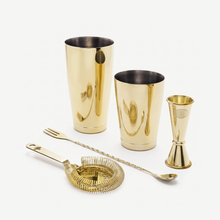
For a Beaujolais, besides a glass, you mainly need a corkscrew, although some bottles have screw caps, and a wine cooler to keep the bottle at 12 to 14 degrees. The bar tools below come into play when the wine goes into a sangria or a tinto de verano: a citrus juicer for the juice and a bar spoon for stirring. These are the bar tools we use ourselves; you can find everything in our bar tools & cocktail sets.


Glass set (our pick 01) + 2 bar tools together € 72,60.
What to serve alongside it?
Beaujolais rarely stands alone on the table. Here are the wines served alongside or after it, from Burgundy, the neighboring region, to a glass of crémant beforehand. Each drinks page tells you the alcohol percentage, what it tastes like, which cocktails go with it and which glass you need.


Variations & twists
The region has three levels. Regular Beaujolais usually comes from the south and is light and straightforward. Beaujolais Villages comes from a designated group of municipalities and generally has more depth. At the top are the ten crus, each with its own name on the label: Brouilly, Côte de Brouilly, Chénas, Chiroubles, Fleurie, Juliénas, Morgon, Moulin-à-Vent, Régnié and Saint-Amour. Morgon and Moulin-à-Vent are considered the fullest-bodied and can age for years, while Fleurie and Chiroubles are fragrant and elegant. Want to read more? See all drinks and brands.
Serving tip
Serve at 12 to 14 degrees, so give it an hour in the fridge beforehand. Beaujolais goes well with charcuterie, pâté, grilled sausage, poultry and cheese, and its low tannin makes it one of the few red wines that can hold its own at a summer table. A cru can be served a little warmer and pairs well with heartier dishes.
Good to know
What carbonic fermentation does to the wine
With carbonic maceration, whole, uncrushed bunches go into a tank filled with carbon dioxide. Fermentation then begins inside the berries themselves, before yeast can reach the sugar. This produces a different range of aromas than regular fermentation: banana, bubble gum, licorice and cherry are the notes people recognize first. It also gives the wine less tannin and a smooth, juicy structure. Not every Beaujolais is made this way, and for the crus, producers often choose partial or traditional fermentation.
The three levels on the label
If the label says only Beaujolais, the wine comes from the whole region and usually from the southern part. Beaujolais-Villages comes from a designated group of communes and is a step up. The ten crus put their own village name on the label and sometimes do not even mention the word Beaujolais. So if you see Fleurie or Morgon on the label with no further explanation, you have a cru from this region.
Beaujolais Nouveau and the third Thursday of November
Nouveau is wine made from that same autumn's harvest, released for sale after just a few weeks of fermentation. It hits the market on the third Thursday of November, everywhere on the same day, and the occasion has grown into an event. The wine is meant to be drunk young and has the typical banana and bubble gum aromas from carbonic maceration. To be honest, this very celebration has harmed the reputation of the whole region for years, because many people think all Beaujolais tastes like this.
Why granite is mentioned here
In the northern part of the region, where the crus are located, the subsoil consists largely of weathered granite and sand. This soil is poor and well-drained, making it harder for the vines to grow and concentrating the grapes. Farther south, the soil contains more clay and limestone, and the wines become lighter and more straightforward. This difference is the main reason the crus taste different from regular Beaujolais.
How long you can keep it
Regular Beaujolais and Nouveau are best enjoyed young, within a year or two. Beaujolais-Villages usually keeps a little longer. The crus are the exception: Morgon and Moulin-à-Vent from a good vintage can age for years, developing earthier, fuller aromas that begin to resemble aged Burgundy.
How much alcohol it contains
Beaujolais is usually around 12 to 13 percent alcohol, making it relatively light for a red wine. The percentage is listed on the label.
Frequently asked questions
Which grape is Beaujolais made from?
Gamay. The region works almost exclusively with this red grape, which thrives on the granite soils in northern Beaujolais. Gamay produces a light, juicy wine with little tannin and plenty of red fruit.
Why does Beaujolais smell like banana and bubble gum?
Because of carbonic maceration with whole berries. Fermentation begins inside the undamaged grape, producing different aromas than conventional fermentation. Banana, bubble gum, licorice and cherry are the characteristic notes. Not every Beaujolais is made this way; for the crus, it is often only used in part.
What is the difference between Beaujolais, Beaujolais-Villages and a cru?
Beaujolais comes from the whole region, Beaujolais-Villages from a designated group of communes, and the ten crus each have their own name: Brouilly, Côte de Brouilly, Chénas, Chiroubles, Fleurie, Juliénas, Morgon, Moulin-à-Vent, Régnié and Saint-Amour. As you move up the range, the wine gains more structure and keeps longer.
What temperature should you serve Beaujolais at?
Serve at 12 to 14 degrees, lightly chilled. An hour in the fridge is enough. Serving it warmer makes the wine taste flat and a little sweet, and dulls the fresh cherry notes. A modest-sized bowl-shaped glass works better than a very large Burgundy glass, which warms the wine more quickly.
Also delicious
Buy Beaujolais
Want the bottle delivered straight to your door? Order Beaujolais online at Gall & Gall. Gall & Gall has 9, including 1 on sale.
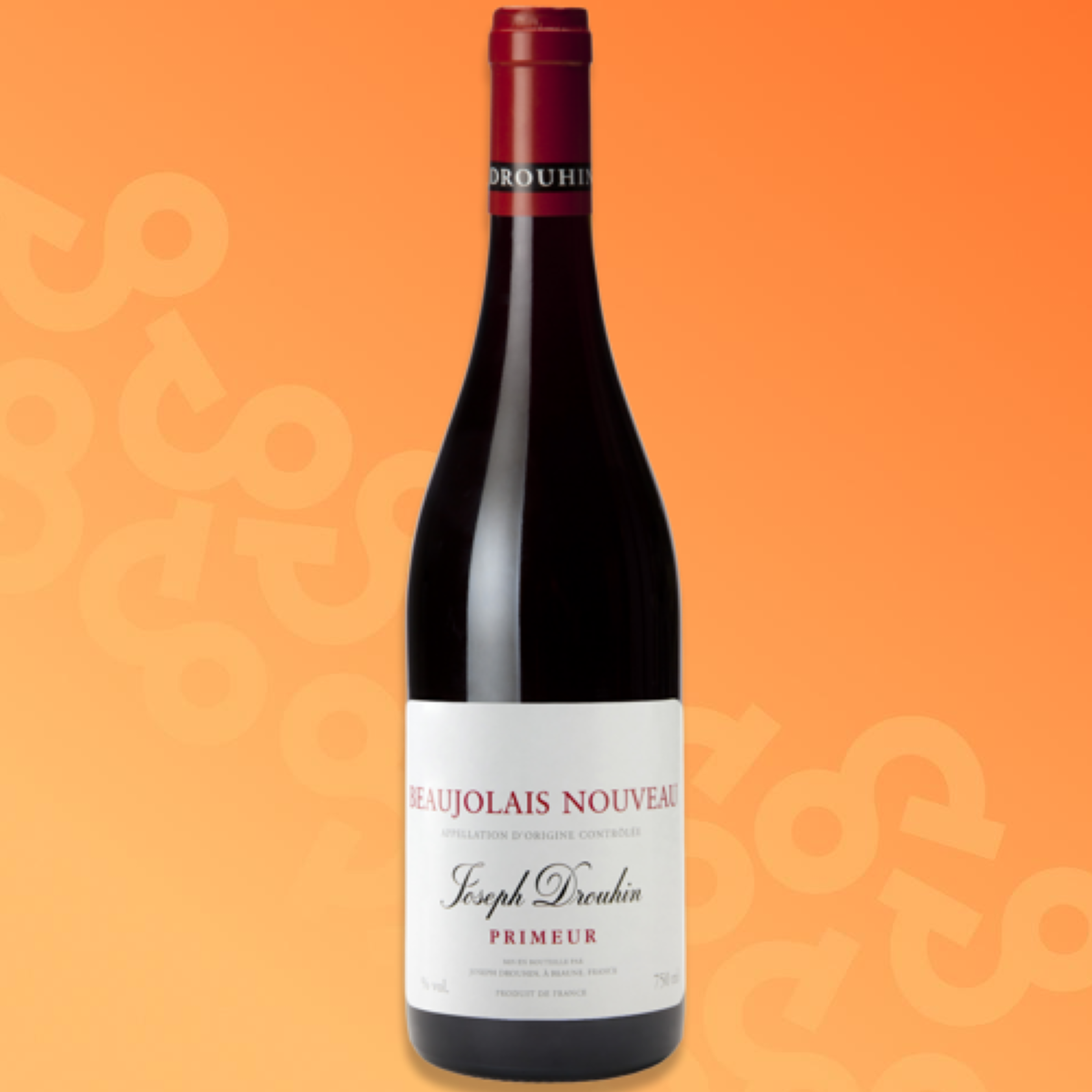
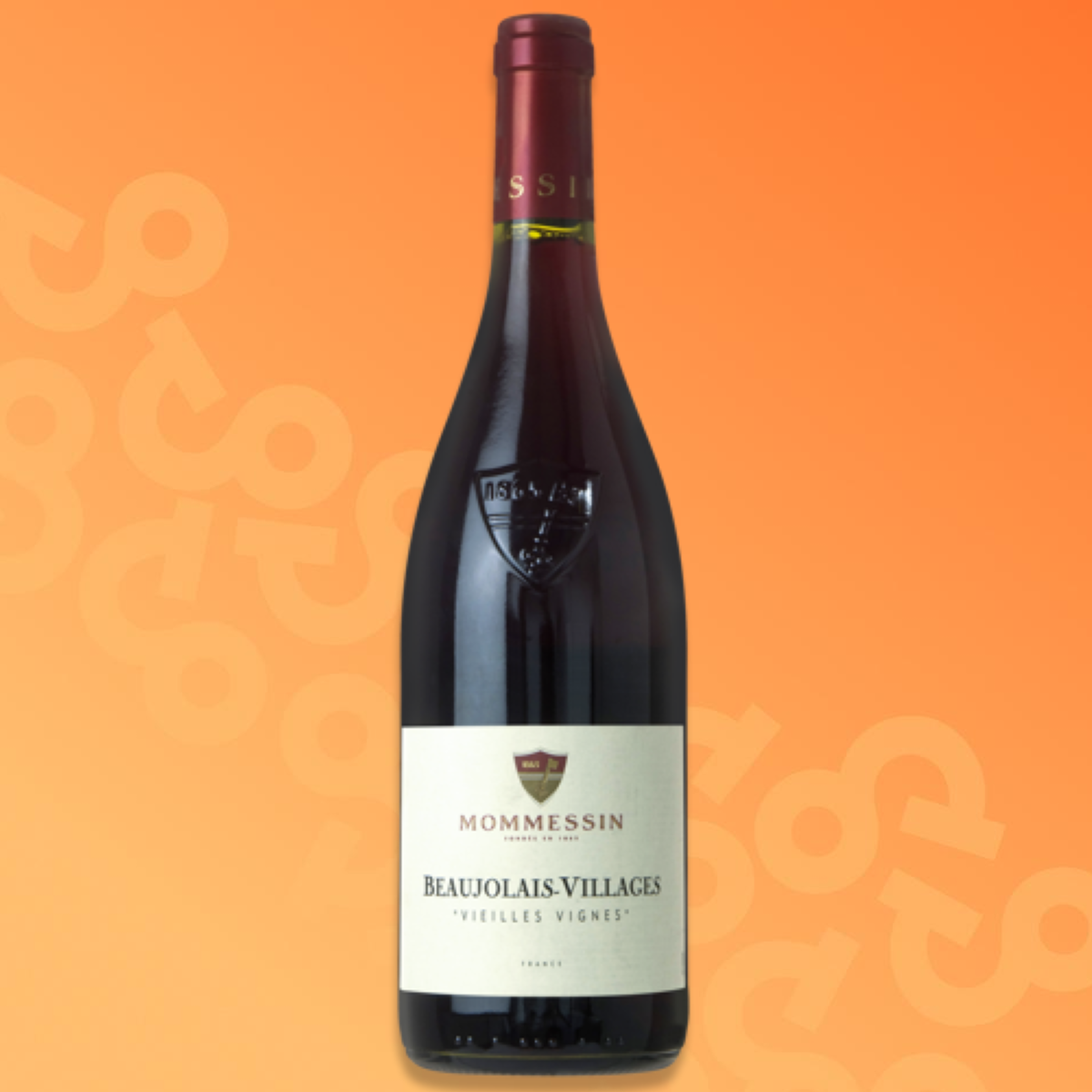
Mommessin Beaujolais Villages
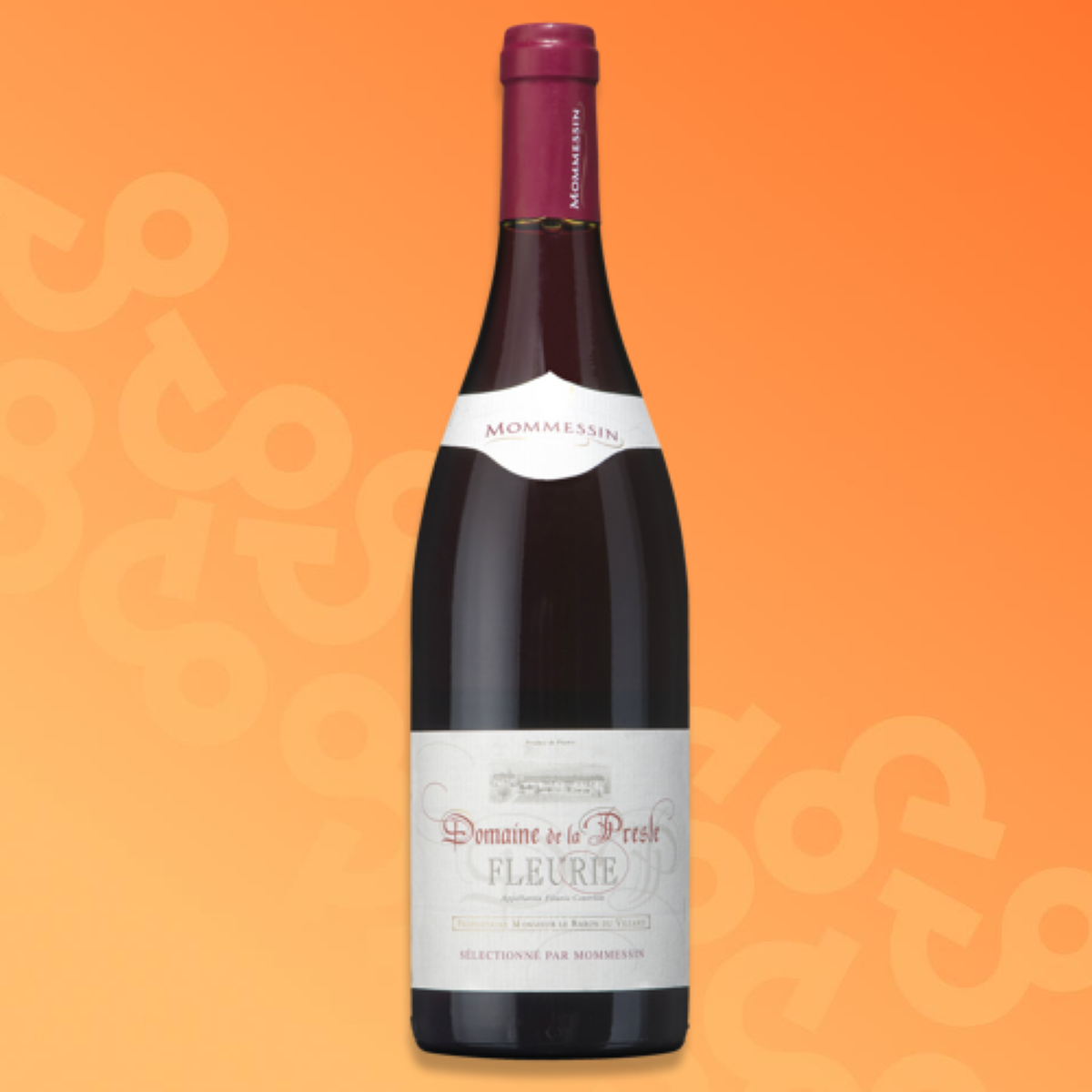
Mommessin Domaine de la Presle Fleurie
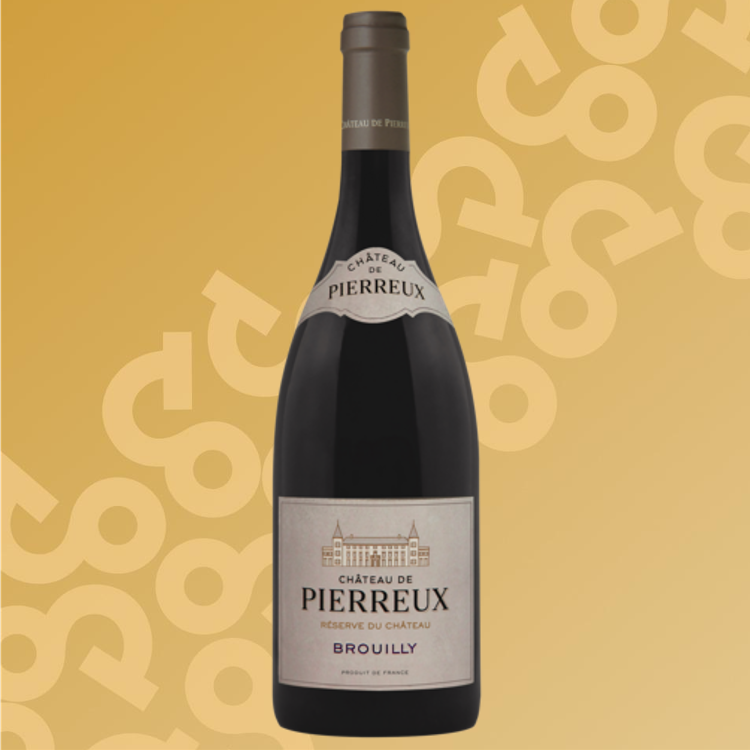
Château de Pierreux Brouilly
Prices as of November 20, 2026, as provided by Gall & Gall. See the current price and stock at Gall & Gall. Glazen.nl earns a small commission if you buy something through these links; you pay nothing extra. No alcohol under 18.
Everything for your bar,
to one address
Hospitality-grade glasses, sold in sets. Order today, delivered quickly.
Shop the glasses →