Nonino
Nonino is a grappa distillery in Friuli, in northeastern Italy, run by the Nonino family. The house is known for grappa made from a single grape variety: in 1973, they released the first grappa distilled exclusively from Picolit. From fresh, fruity grappa to smooth, wood-aged riserva.


The family that made grappa serious
Grappa is an Italian brandy made from grape pomace: the skins, seeds, and stems left over after the grapes have been pressed for wine. The pomace still contains juice and aroma, and distilling it produces a clear, potent drink. The name is protected: authentic grappa comes from Italy and is distilled from Italian pomace. For a long time, it was mostly a simple farmer's drink, strong and rough.
Nonino has been distilling grappa in Friuli since 1897. The distillery is still family-owned. In 1973, Benito and Giannola Nonino did something new: they separately distilled the pomace of a single grape variety, the rare Friulian Picolit, and released it as monovitigno, grappa made from one grape variety. Many other distillers adopted the idea, helping grappa evolve from a farmer's drink into a digestif for connoisseurs. The range now includes a fresh, fruity grappa, two wood-aged grappas, and two single-grape crus: Fragolino and Picolit.
In brief
Five grappas, from young and fresh to rich and rare
Clear grappa is young and smells of grapes. Amber-colored grappa has been aged in wood and is smoother and rounder. The single-grape crus are the house's top bottlings.

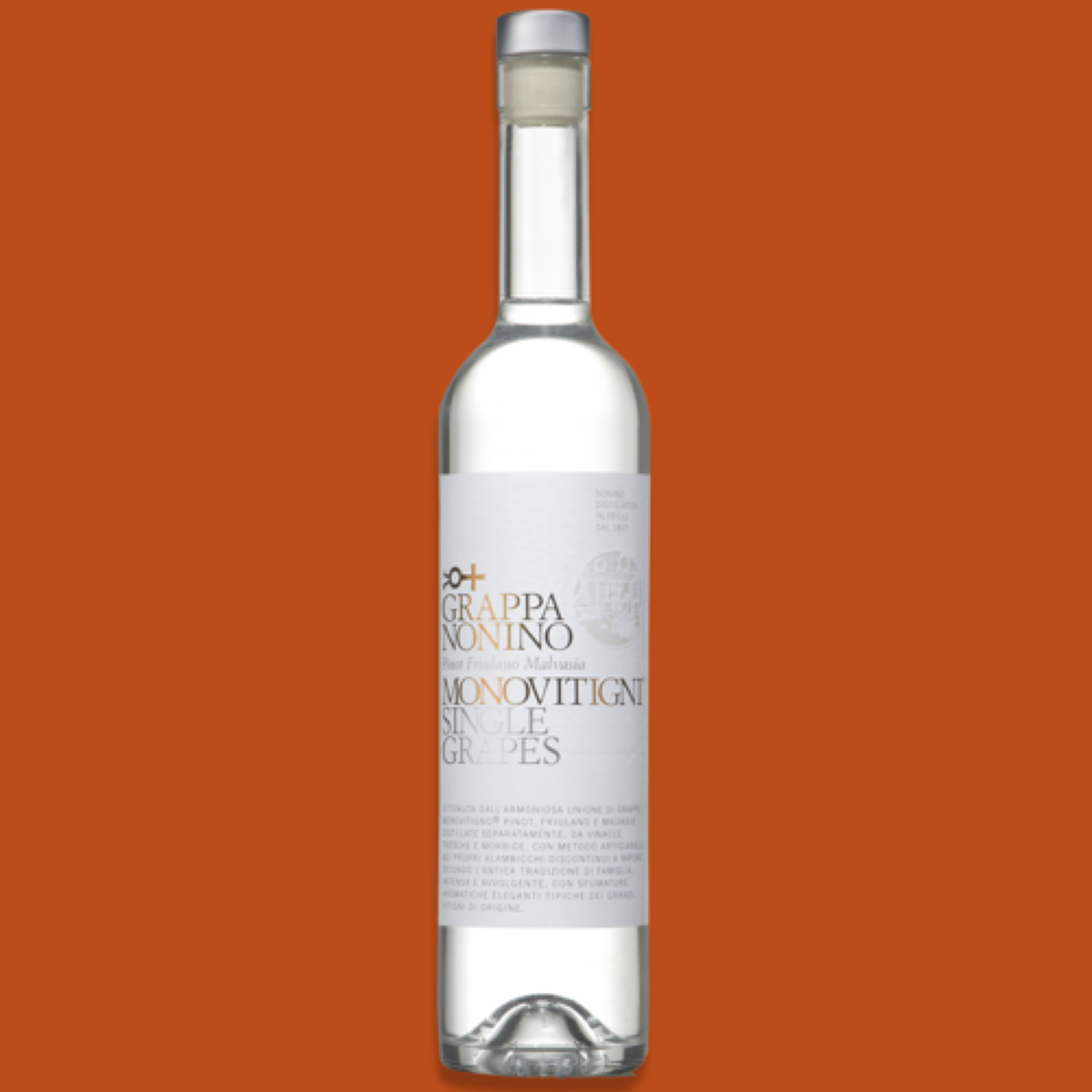
Nonino Single Grapes
Elegant and light, with a lovely fragrance and notes of apricot, pear and almond. A good introduction to grappa.

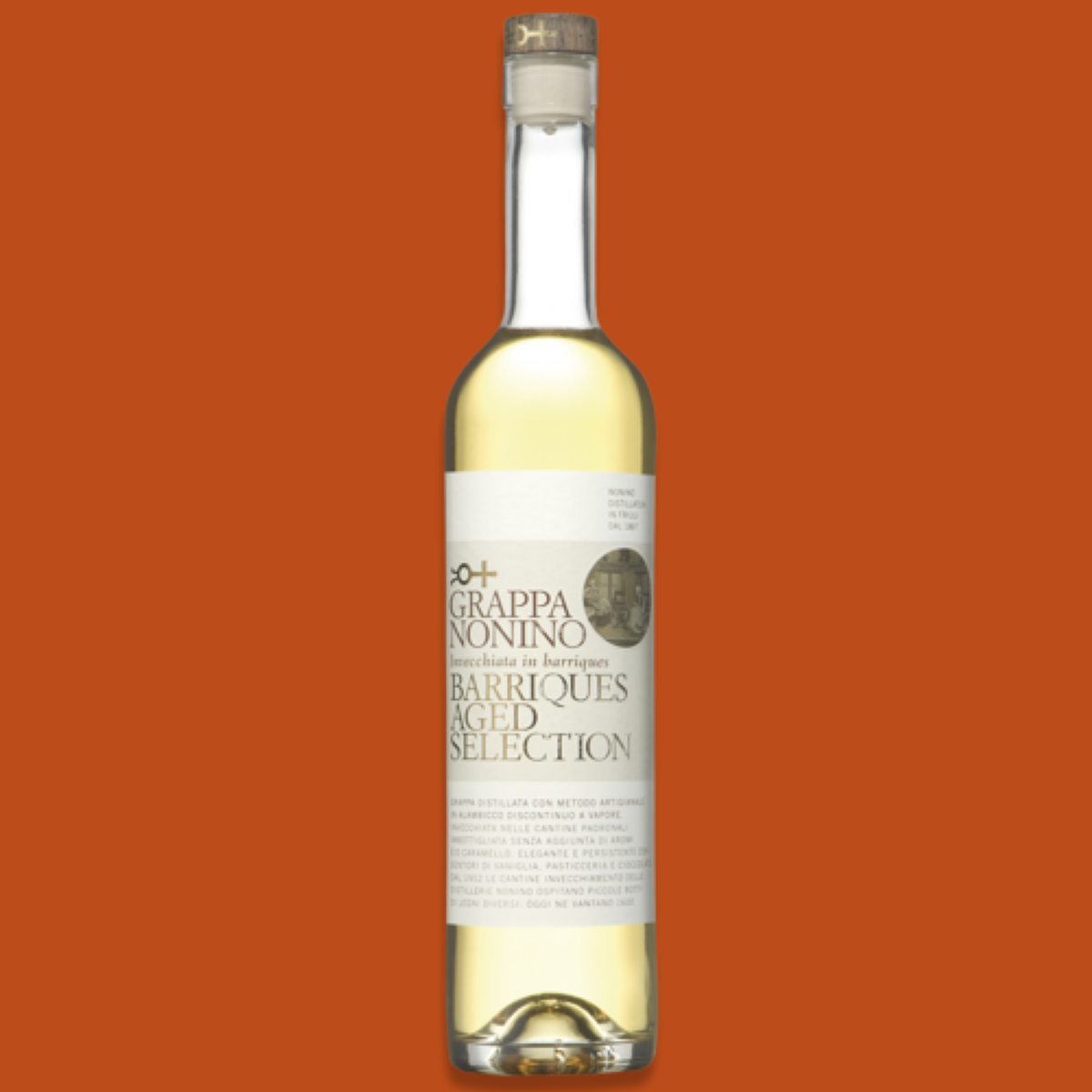
Nonino Barriques Aged Selection
Light amber in color from aging in barriques. Vanilla, chocolate and toasted bread on the nose, chocolate and almond on the palate.
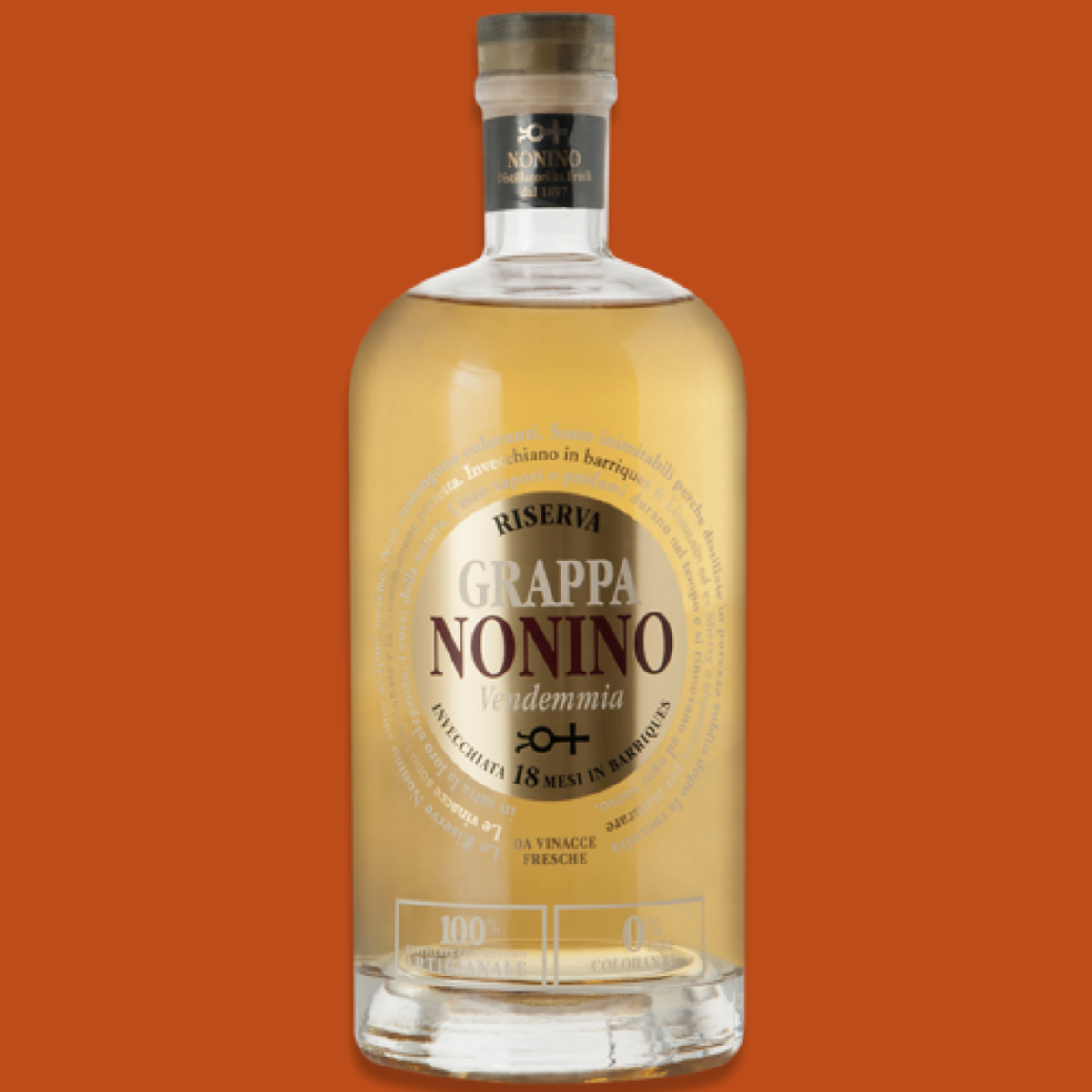
Nonino Vendemmia Riserva
Amber-colored grappa aged for eighteen months in former sherry casks. Aromas of pastry, chocolate and vanilla, with a velvety-smooth taste.

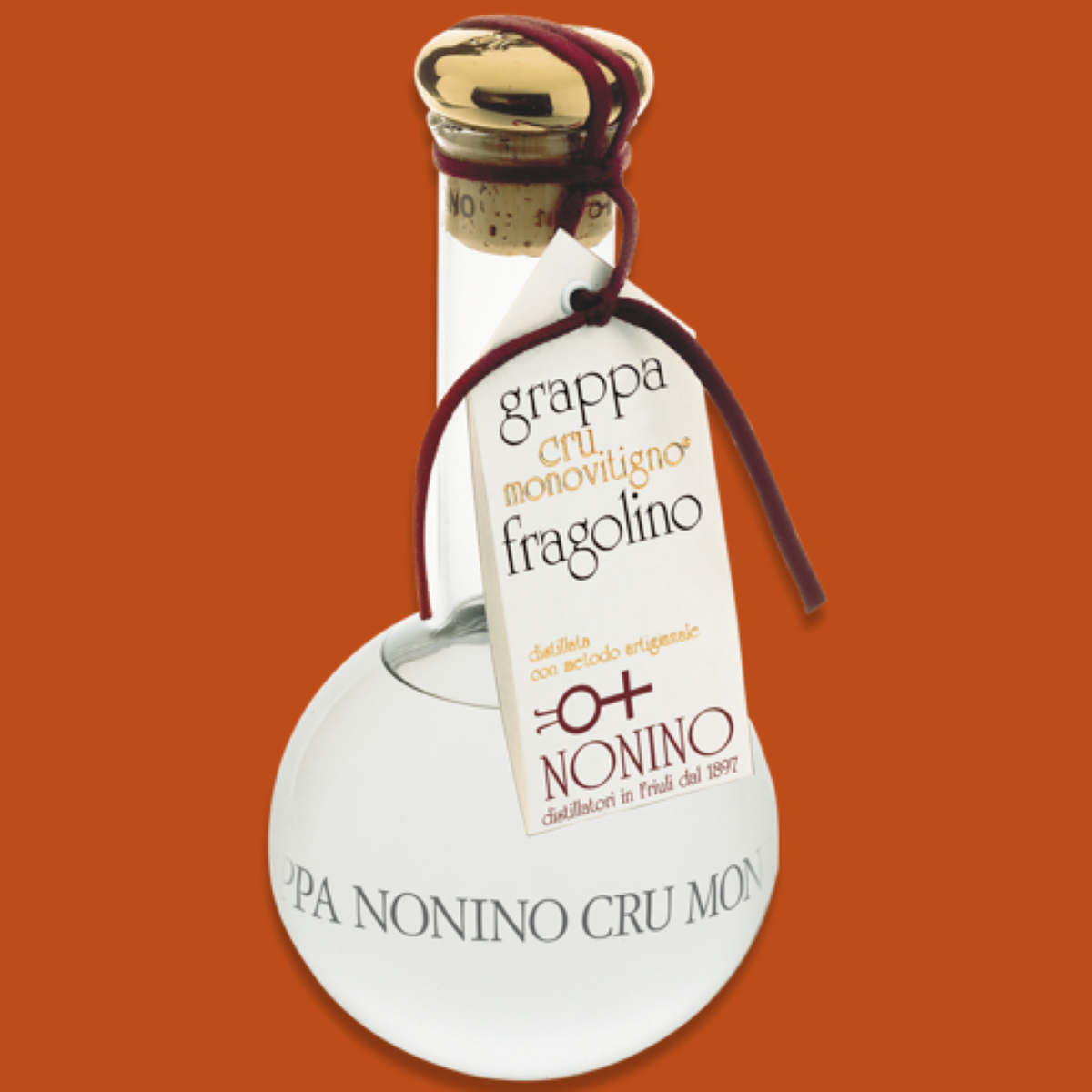
Nonino Cru Monovitigno Fragolino
Distilled from the pomace of the fruity Fragolino grape. Fresh strawberries, forest berries and a hint of flowers.

Nonino Cru Monovitigno Picolit
The grappa that started it all in 1973, made from the rare Picolit grape. Rich aromas of honey, wildflowers and delicate fruit, with a smooth mouthfeel and long finish.
From grape pomace to Riserva: read all about grappa, its styles and how to drink it.
Grapes, flowers and gentle power
Fruit & flowers
Young grappa smells of grapes: pear, apricot, white flowers. With wood-aged grappa, vanilla, chocolate and pastry come to the fore; with the crus, honey or red fruit.
Powerful and smooth
A good grappa is powerful without burning. The Single Grapes is light and fresh, the Riserva rounded and velvety. The 50% Picolit is full-bodied and rich.
Dry and long
Grappa finishes dry, with the aroma of the grape lingering long afterwards. Aged bottlings have a warmer finish, with notes of almond and vanilla.
Flavor profile of Nonino Single Grapes. Barriques and Vendemmia Riserva score higher for oak, while Picolit scores higher for intensity.
How to drink Nonino
Grappa is enjoyed in small sips after a meal. Young grappa lightly chilled, aged grappa at room temperature.
Fresh grappa, lightly chilled
Serve Single Grapes or a cru at 9 to 13 degrees, about 3 to 4 cl in a small tulip glass. If served too cold, the grape's aroma is muted, and that's exactly what you want to smell.
More about grappa →Aged grappa at room temperature
Enjoy Barriques and Vendemmia Riserva at room temperature or just below. Let the glass sit for a moment, smell it first, then take a small sip. This brings out the vanilla and pastry notes best.
Tasting glasses →With or in coffee
In Italy, grappa is often enjoyed after espresso, or a splash is added to coffee to make a caffè corretto. Use a young grappa for this; cru bottlings are best enjoyed neat.
Coffee cocktails →Grappa at the table
Grappa is first and foremost a digestif, enjoyed after a meal. But with the right bite on the side, it becomes a little dessert in its own right.
After dinner
A glass of fresh grappa after a rich meal, as is customary in Italy. Its fresh, dry taste cleanses the palate.
Chocolate and pastries
Aged grappas pair well with dark chocolate, almond cookies, and nut pastries. The notes of vanilla and chocolate come together beautifully.
Red fruit
Serve Fragolino with a dessert featuring strawberries or forest fruits, or simply with a bowl of fresh fruit.
Cheese and honey
Rich Picolit pairs well with hard, aged cheese and a little honey. Or enjoy it on its own as the end to an evening.
The right glass for grappa
Grappa is best served in a small tulip-shaped glass with a stem. The narrow opening concentrates the aroma, and the stem keeps your hand away from the grappa. These are the glasses we recommend ourselves.


Everything you still wanted to know about Nonino
Can't find your question here? Read more about grappa or get in touch.
Everything about grappa →What is Nonino?
What is grappa?
What does monovitigno mean?
What is the alcohol content of Nonino grappa?
How do you drink grappa?
What glass should you use for grappa?
Buy Nonino
Want the bottle delivered straight to your door? Order Nonino online from Gall & Gall. Gall & Gall has 5 in stock.
Prices as of November 21, 2026, as provided by Gall & Gall. You can check the current price and stock at Gall & Gall. Glazen.nl receives a small commission if you buy something through these links; it costs you nothing extra. No 18, no alcohol.