Provence
Provence lies in southeastern France, between the Rhône and the Côte d'Azur. No other wine region is so closely associated with rosé: most of the wine made here is pink, pale in color and dry. The region also produces spicy reds and a little white wine.


Wine from Provence, by type
Provence rosé is a blend of a few southern grapes. We have a dedicated page about rosé itself and three of those grapes.

Rosé wine
How does rosé get its color, and why is Provence rosé so pale? Everything about rosé from around the world.
About rosé →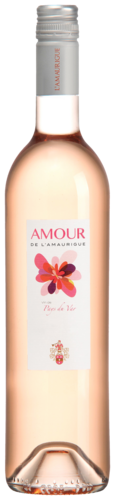
Grenache
The backbone of many Provence rosés, with juicy red fruit and little tannin.
About grenache →
Syrah
In France it's called syrah, elsewhere shiraz. It gives rosé and red wines from Provence color and a spicy note.
About syrah →
Vermentino
The coastal white grape, called rolle in Provence. Spicy, fresh and with a slight bitterness.
About vermentino →Sun, sea and the mistral
Provence lies between the Rhône to the west and the Italian border to the east, with the Mediterranean Sea to the south. The weather is warm and sunny, but the mistral, a cold northerly wind, keeps the vineyards dry and healthy. The vineyards are surrounded by garrigue: low-growing scrub of rosemary, thyme, and lavender. Many wine lovers find these herbal notes in the wine. The region has been making wine for a very long time, and today most of its wine is rosé.
The largest appellation is Côtes de Provence, alongside Coteaux d'Aix-en-Provence and Coteaux Varois en Provence. Almost all rosé is a blend of southern red grapes: Grenache for juicy red fruit, Cinsault for freshness and a pale color, and Syrah for color and spice. Mourvèdre, Carignan, Tibouren, and Cabernet Sauvignon are also permitted. Winemakers keep contact between the juice and skins brief, or press the grapes directly. This keeps the rosé pale, dry, and fresh. On the coast is Bandol, known for its robust red wines and rosé made from Mourvèdre, while the small Cassis region produces mainly white wine. Rolle is the main white grape, the same variety as Italy's Vermentino.
At a glance
Seven bottles, from classic rosé to red
Most of the bottles below are rosé, ranging from light and fresh for the terrace to fuller and richer for the table. At the bottom are a white and a red wine, to show that Provence has more to offer.
Mirabeau Classic Rosé
A classic blend of Syrah, Grenache, and Cinsault. Elegant and light, with strawberry, red cherry, and raspberry.

Château d'Esclans Whispering Angel
One of the best-known Provence rosés, here in a 1.5-liter magnum. Light red summer fruits, apricot, and a hint of spice.

Domaines Ott By Ott Rosé
Made from 70% Grenache, 20% Cinsault, and 10% Syrah. Aromatic and refreshing, with a rich structure that pairs well with food.
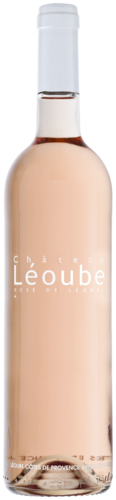
Château Léoube Rosé
The vineyards are right by the Mediterranean Sea, and you can taste it in the slightly salty finish.

Château d'Esclans Rock Angel
A rosé with more punch. A short period of oak aging makes it fuller-bodied and a good match for a meal.
Château de Berne Grande Cuvée Blanc
White Provence wine made from Rolle and Sémillon. Rolle adds herbal notes and body; Sémillon lends it a somewhat waxy, rounded character.
Domaine de l'Amaurigue Rouge
Half Syrah, half Cabernet Sauvignon, aged for a year in oak. Blackcurrant, spices, green herbs, and firm tannins.
How is rosé made, and is a pale color really better? Find out on our rosé page.
Red fruit, peach, and herbs
Strawberry & peach
Light red fruit such as strawberry, raspberry, and redcurrant, often with peach, apricot, or citrus. Sometimes underpinned by a hint of Mediterranean herbs.
Dry and fresh
A good Provence rosé is dry, fresh, and light-bodied. It feels juicy without being sweet. Rosés with some oak aging or more Grenache are rounder and fuller.
Crisp, sometimes salty
The finish is short to medium and crisp, with a refreshing edge. Rosé from vineyards by the sea sometimes finishes with a slight salty note.
Flavor profile of a typical Côtes de Provence rosé. An oak-aged rosé or a Bandol scores higher on body, and red wines from Provence higher still.
How to serve Provence wine
Rosé nicely chilled but not ice-cold, red just below room temperature. And drink rosé young.
Rosé at 8 to 10 degrees
Serve Provence rosé at 8 to 10 degrees. Too cold, and you can barely taste the fruit; too warm, and the wine becomes flabby. Put the bottle in the fridge for a few hours or in a bucket with ice and water for twenty minutes. A wine cooler will keep it at the right temperature on the patio.
More about wine temperature →Drink rosé young
Most Provence rosé is made to be drunk within a year or two of the harvest, while the fruit is still fresh. So check the vintage on the label. Only some top cuvées aged in oak can be cellared for a little longer.
More about rosé →Red at 16 to 18 degrees
Serve red Provence wine and Bandol at 16 to 18 degrees. A full-bodied Bandol or a red wine with lots of tannin benefits from half an hour in a decanter. Put a bottle from a warm room in the fridge for a little while first.
More about decanting →Provence wine at the table
Rosé from Provence pairs well with Mediterranean cuisine: olive oil, garlic, tomato, fish and fresh herbs. Its freshness also makes it a good match for many other dishes.
Aperitifs and salads
A light rosé is delicious as an aperitif with olives, tapenade or raw vegetables. It goes well with salads, such as salade niçoise, and with sushi and carpaccio.
Fish and Mediterranean food
A fuller-bodied rosé or one with some oak aging can be served with a meal: grilled fish, bouillabaisse, ratatouille, chicken or dishes with tomato and garlic.
From the grill
Grilled prawns, sardines, chicken and vegetables from the barbecue go well with chilled rosé. A dry rosé is also a safe choice with mildly spicy Asian food.
Lamb and fish in sauce
Red Provence wine and Bandol go well with herbed lamb, stews and grilled meat. White Provence wine made from Rolle goes well with fish in sauce and poultry.
The right glass for Provence rosé
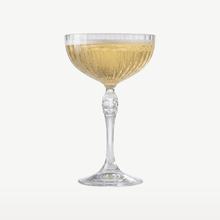
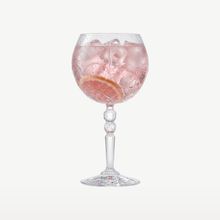
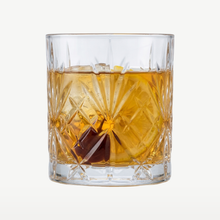
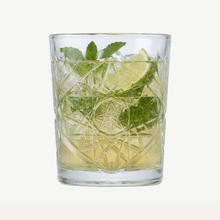
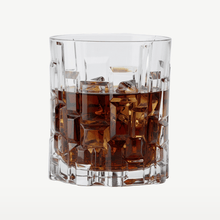
Drink rosé from a wine glass with a not-too-large bowl so it stays cool and you can smell the fruit. A fuller-bodied rosé served with a meal can go in a larger glass. These are the glasses we recommend ourselves.


Everything else you wanted to know about Provence wine
Can't find your question? Read more about wine and food, or get in touch.
Wine and food pairing →What is Provence rosé?
Why is rosé from Provence so light in color?
Which grapes are in Provence rosé?
How much alcohol is in Provence rosé?
How cold should you drink rosé?
What to eat with rosé from Provence?
Buy wine from Provence
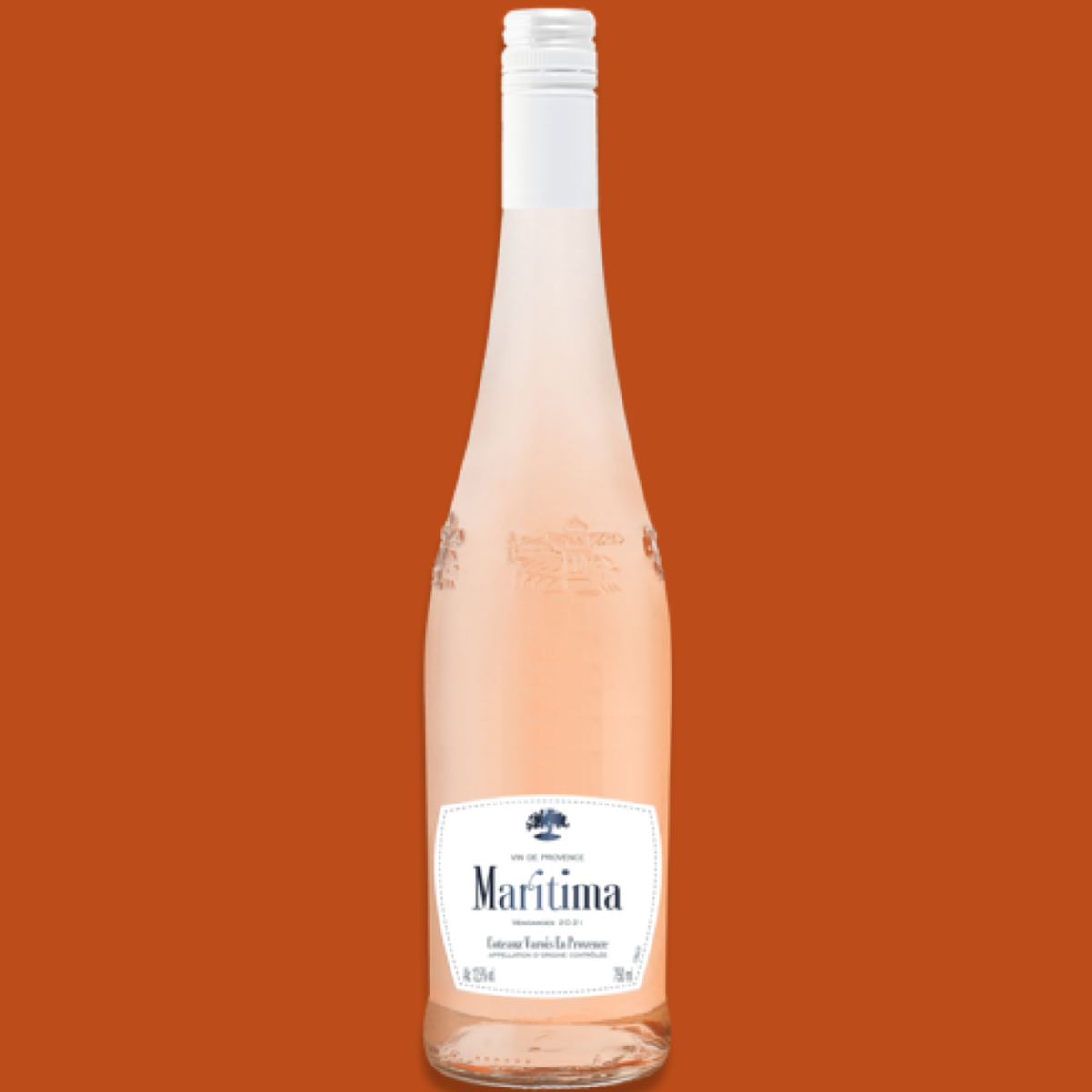
Want the bottle delivered straight to your door? Order wine from Provence online at Gall & Gall. Gall & Gall has 47 options, 3 of which are on sale.
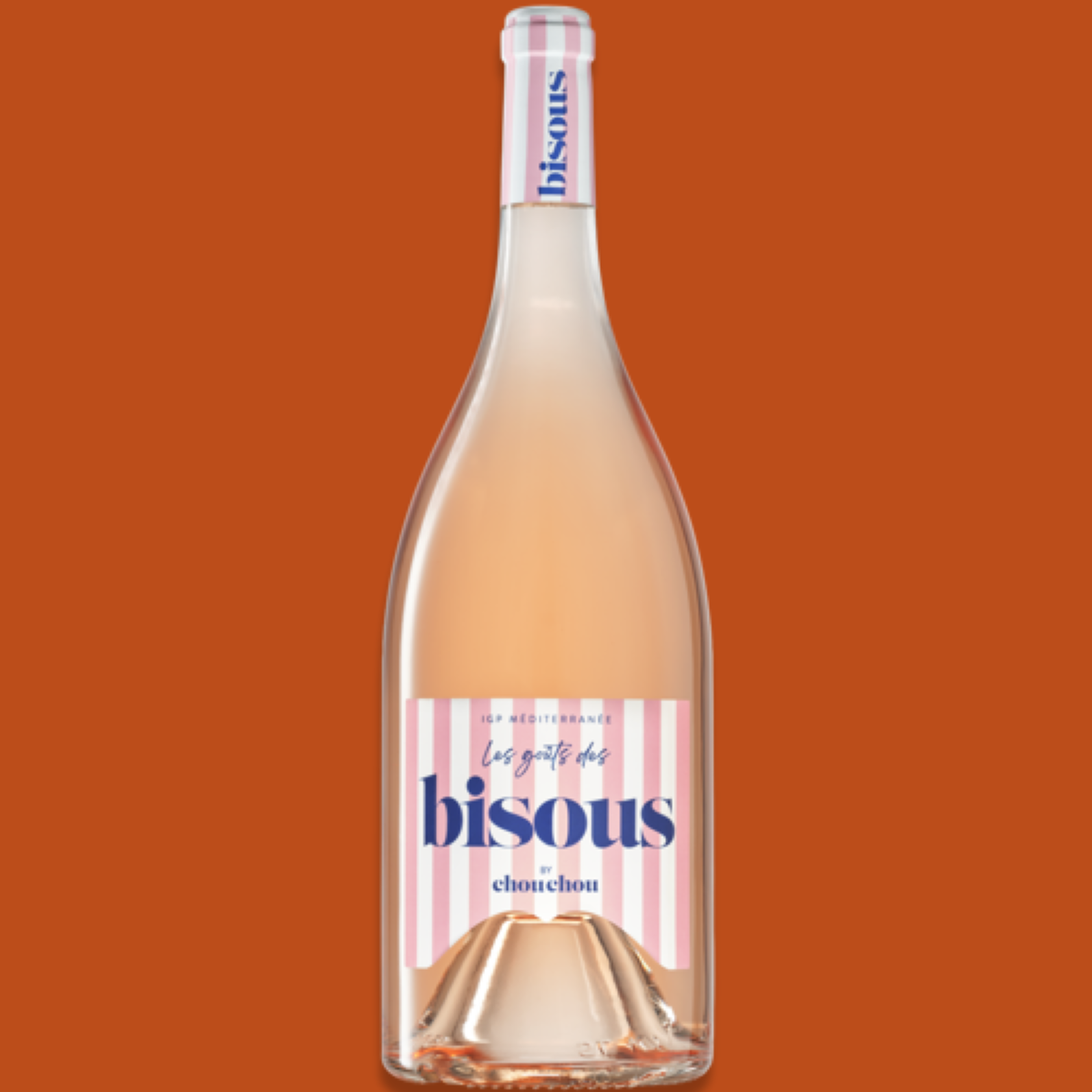
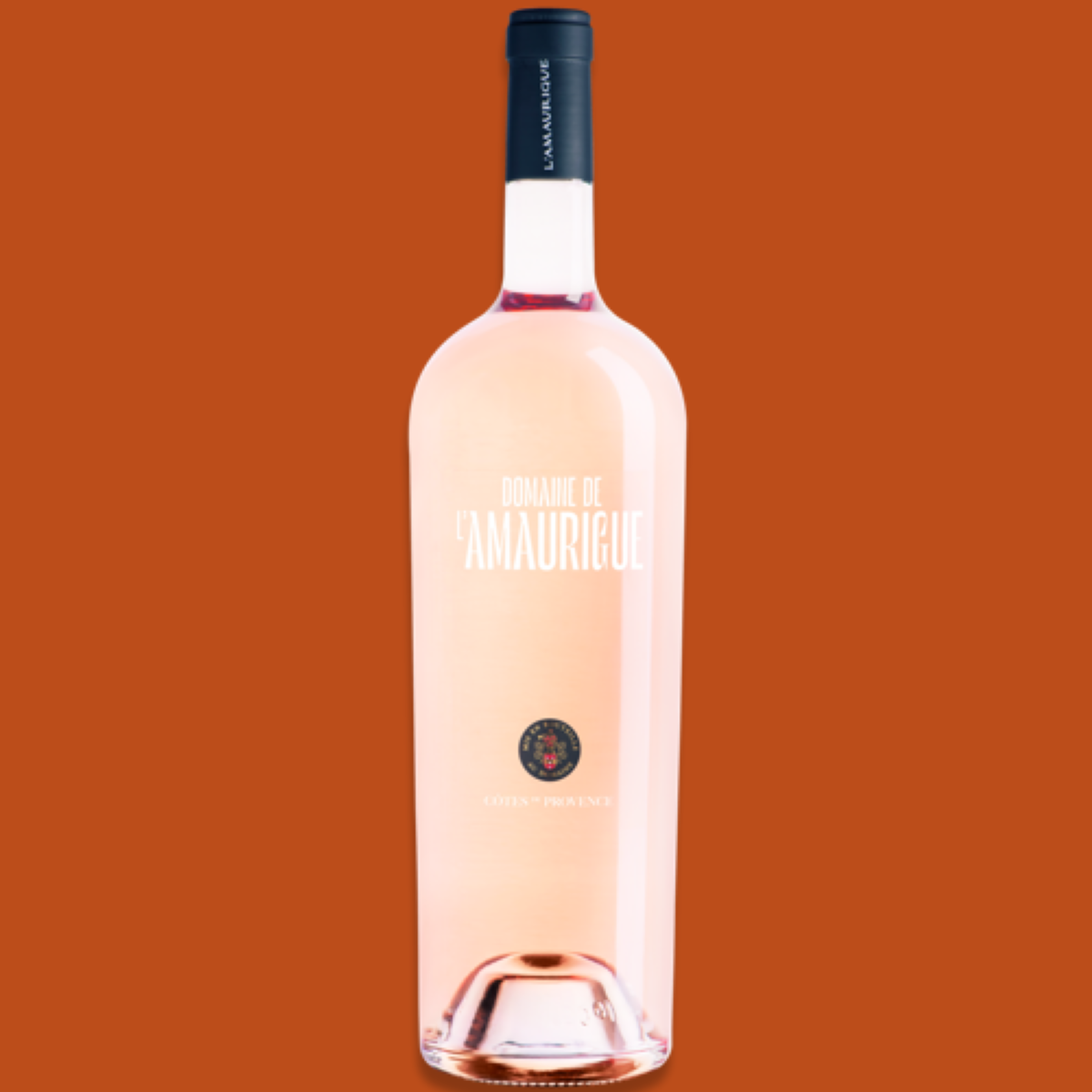
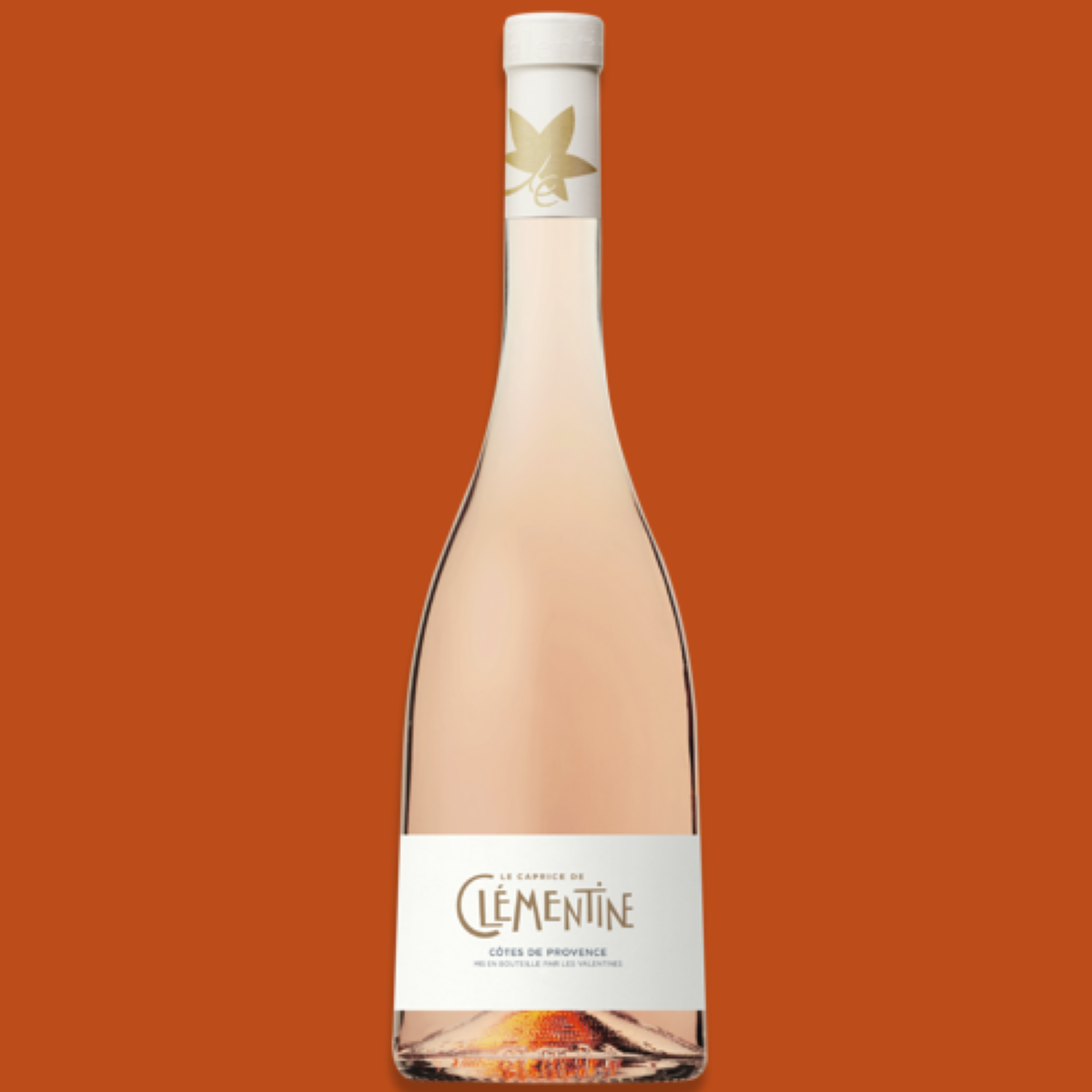
Prices as of November 21, 2026, as reported by Gall & Gall. You can see the current price and stock at Gall & Gall. Glazen.nl receives a small commission if you buy something through these links; it doesn't cost you anything extra. No 18, no alcohol.