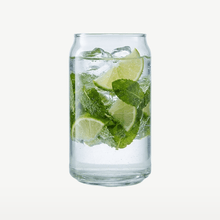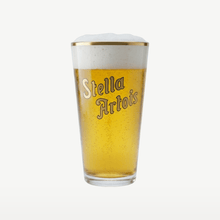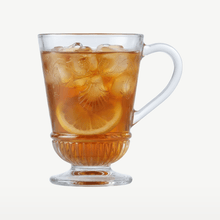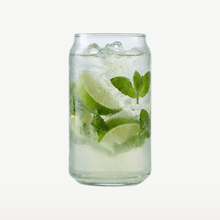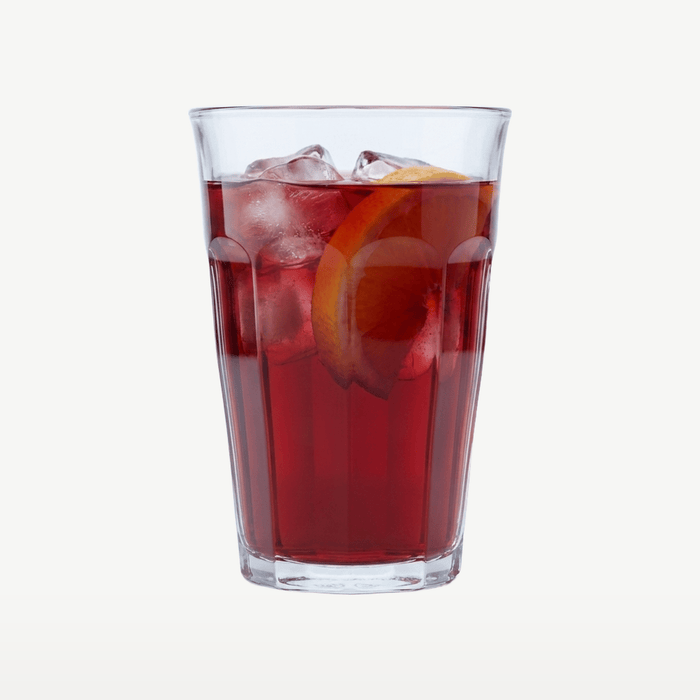
Duralex Picardie Highball Glass 36 Cl - 6 Pieces
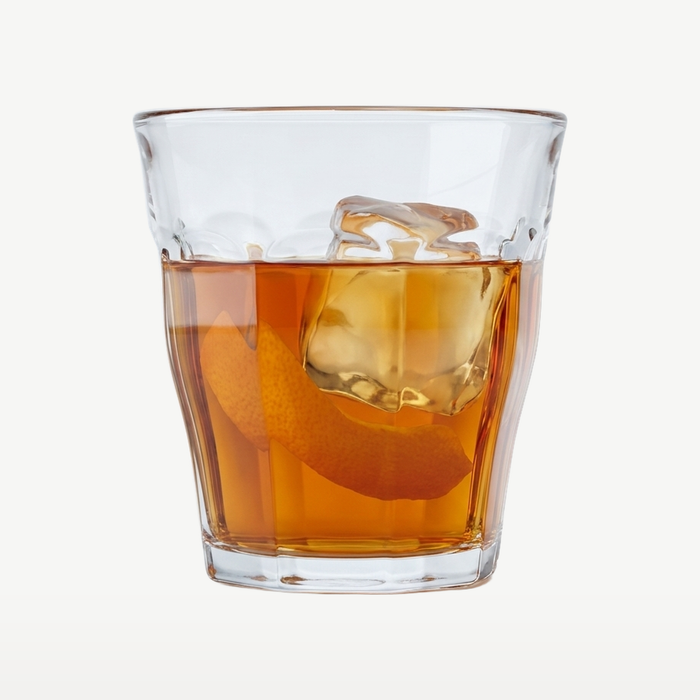
Duralex Picardie Tumbler 25 Cl - 6 Pieces
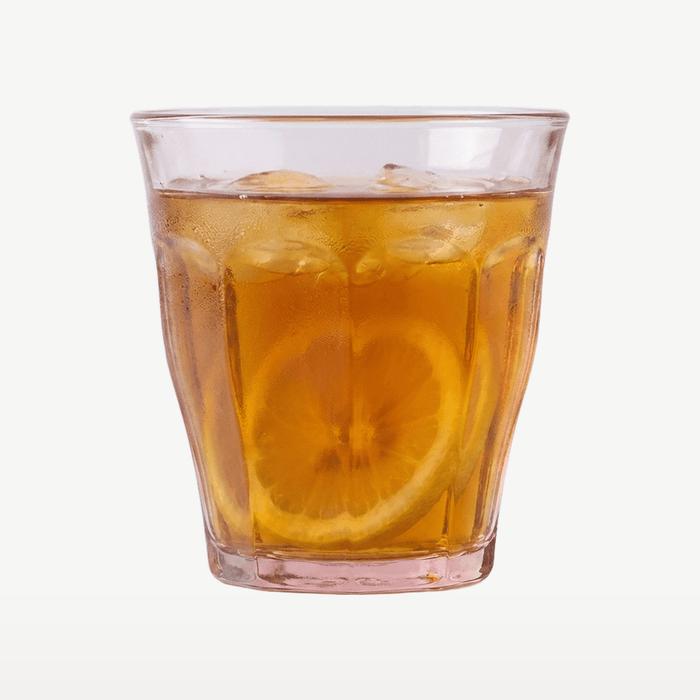
Duralex Picardie Tumbler 25 Cl Pink - 4 Pieces
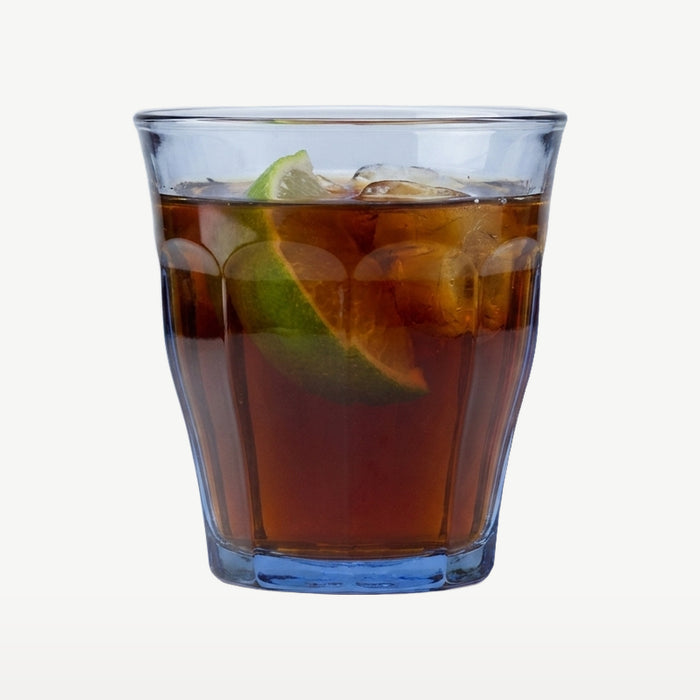
Duralex Picardie Tumbler 25 Cl Marine - 6 Pieces

The orange juice recipe
for your table
Choose juicing oranges, not eating oranges. A juicing orange has thin skin, feels heavy for its size, and is full of juice; an eating orange has thicker skin and is easier to peel, but yields less juice when squeezed.
Halve the oranges and juice them. A manual juicer gives you more control over how hard you press and lets less of the white pith through; an electric juicer is faster and more convenient when you’re doing more than four or five. Allow about three oranges for 20 cl.
Decide whether to strain it. A fine strainer makes the juice smooth and clear, while leaving it unstrained keeps the pulp in, making the juice fuller and thicker. Remove the seeds either way.
Fill the glass with ice, pour the juice over it, and hang a slice of orange on the rim. Drink it right away: fresh juice loses flavor, and the solids settle to the bottom, making the juice visibly separate.
What did you think of this recipe?
One click on a star is all it takes. If you'd like to add a comment, we'll review it before it appears here.
Save this recipe
Send the orange juice recipe to your own email so you have it handy when you make it. You'll also get a € 5 discount code on orders over € 50 for the glasses that go with it.
The story
Orange juice is the simplest drink there is, and that's exactly why every choice matters. The oranges determine almost everything: juice oranges are grown for their juice yield and have thin skins, while eating oranges are grown to be peeled. Then the juicer determines how much juice you get, and the strainer determines how it looks in the glass. Freshly squeezed juice changes quickly. After fifteen minutes, the flavor becomes flatter and the juice separates into a clear and a cloudy layer, while packaged juice tastes the same day after day. That's the whole reason to squeeze your own.
The right glass
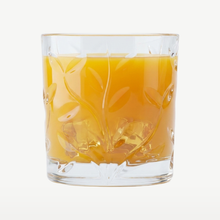
Freshly squeezed juice is best served in a low, clear glass of 20 to 25 cl. A serving of three oranges fills a glass like this to just below the rim, and you can see the color through the glass. Tempered glass is practical here because it can handle ice cubes straight from the freezer and is dishwasher-safe. Stackable sizes are available in the Duralex Picardie collection.

Arcoroc Log Tumbler 22 cl (6 pieces)

Duralex Picardie Tumbler 20 cl (6 pieces)
Both sets together € 27,90.
The right tools
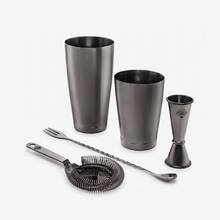
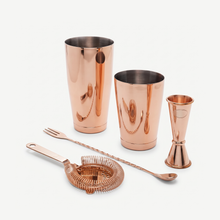
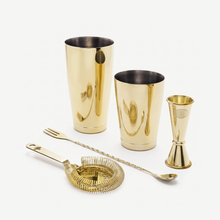
To make orange juice, use a citrus juicer alongside your glass to extract the juice and a fine strainer to catch the pulp and seeds. These are the bar tools we use ourselves; you can find everything in our bar tools & cocktail sets.


Glass set (our pick 01) + 2 bar tools together € 38,85.
Which splash goes with it?
Orange juice itself is alcohol-free. The classic combination is vodka, because juice with vodka over ice is exactly a screwdriver, and with prosecco added, the same glass is called a mimosa. Each drinks page tells you the alcohol percentage, what it tastes like, which cocktails it goes with, and what glass you need.


Variations & twists
A teaspoon of lemon juice makes the juice less sweet and keeps its color bright for longer. Half orange and half pink grapefruit makes for a more bitter glass, and a few slices of fresh ginger in the juicer make it sharper. Juice blood oranges for a dark red, slightly less sweet juice. Looking for more inspiration? Browse more than 100 cocktail recipes.
Serving tip
Put the oranges and glass in the fridge for half an hour before juicing, so you need less ice and the juice won’t get watery. Pour only when everyone is at the table. If you do have to wait, give the juice another stir, as the solid parts settle at the bottom.
Good to know
Juicing or eating orange?
Juicing oranges are grown for their juice yield: thin skin, lots of juice, and often seeds. Eating oranges have thicker, easy-to-peel skin, but yield less juice when squeezed. Check the weight: heavy for its size means lots of juice.
How many oranges go in a glass?
You’ll need about three juicing oranges for a 20 cl glass. Small or dry ones may take four, while two large, juicy ones may be enough. Weigh or juice one first to see how much you get from each.
Hand or electric juicer?
With a hand or squeeze press, you can feel how hard you’re pressing, which makes a difference: if you press down on the white pith, it adds bitterness. An electric juicer is faster and takes no effort, which is handy when you’re making more than four or five.
Strain your juice or not?
A fine strainer makes the juice smooth and clear, while catching the pulp and seeds. Leave the pulp in, and the juice will be fuller, thicker, and cloudier. Remove the seeds either way, as they leave a bitter aftertaste.
Why drink it right away?
Freshly squeezed juice quickly loses its flavor and tastes flatter after fifteen minutes. It also separates: the solid parts sink to the bottom, leaving a clear layer on top. Stirring partly fixes this, but the fresh taste of the first glass doesn't come back.
What's the difference compared with juice from a carton?
Juice from concentrate is concentrated in its country of origin and reconstituted with water here. Not-from-concentrate juice is pasteurized and packaged directly after pressing, without that intermediate step. Both can be called orange juice; fruit drinks and nectars have added sugar, which is listed in the ingredients.
Frequently asked questions
How many oranges do you need for a glass of orange juice?
About three juicing oranges for a 20 cl glass. For small or dry fruit, you'll need four; for large, juicy ones, two.
What is the difference between a juicing orange and an eating orange?
A juicing orange has a thin peel and lots of juice and is meant for juicing. A hand-eating orange has a thicker peel that is easy to peel, but produces less juice in a juicer.
Why should you drink freshly squeezed orange juice right away?
Because the flavor becomes flatter within fifteen minutes and the juice separates: the pulp sinks to the bottom, leaving a clear layer on top. Stirring helps a little, but fresh is still better.
What does not-from-concentrate mean on a carton of orange juice?
That the juice hasn't been concentrated after pressing and later reconstituted with water, but instead was pasteurized and packaged directly. Juice from concentrate has gone through that intermediate step.
Everything for your bar,
at one address
Hospitality-quality glasses, sold in sets. Order today, delivered quickly.
Shop the glasses →